International Travel Insurance Guide
When a Holiday Turns into a Medical Emergency: Understanding the Role of International Travel Insurance
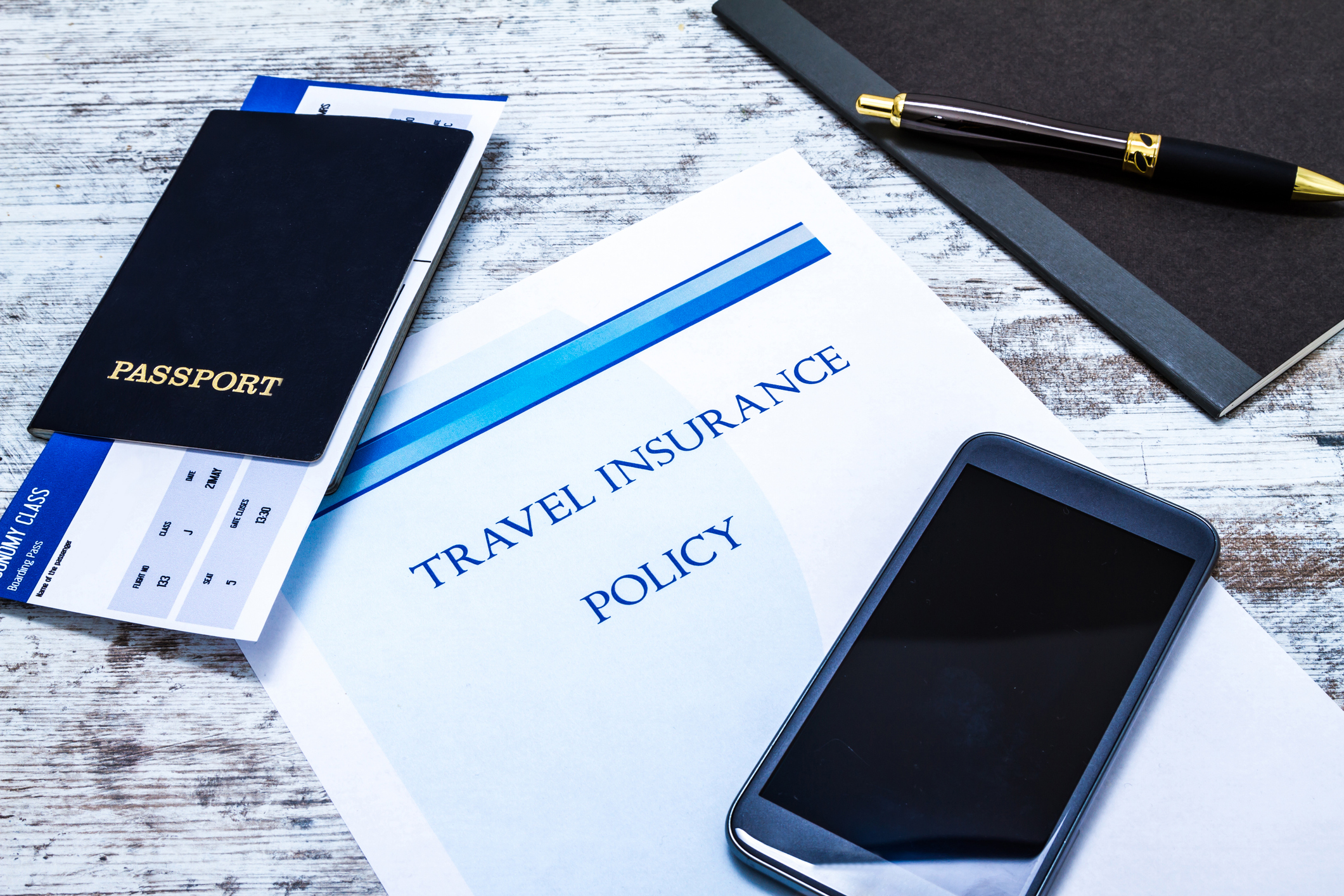
A holiday abroad can turn serious if illness or injury requires urgent medical care. Travel insurance may support eligible emergency treatment during an overseas trip, depending on the policy wording, traveler details, and documents submitted.
For Indian travelers, the important point is simple: understand the medical portion of your travel insurance policy before departure, not during a hospital visit in another country.
Why Medical Emergencies Abroad Need Early Preparation
A medical emergency outside India can feel more challenging because travelers often face unfamiliar hospitals, different paperwork requirements, and new payment processes.
When someone becomes ill during a holiday, the immediate priority is receiving proper treatment. At the same time, family members may need to manage hospital admissions, adjust travel plans, communicate with the insurance provider, and keep relatives informed back home. This is where preparation becomes essential.
Travel insurance can play an important role when emergency medical assistance is included in the selected plan. However, travelers should understand the process before leaving home. Having a policy saved on a mobile device is helpful only if the traveler knows where to find emergency assistance contact information and what details may be required.
What the Policy May Support
The medical section of a travel insurance policy explains how emergency treatment abroad may be handled.
Depending on the selected coverage, travel insurance may include eligible expenses related to:
- Emergency medical treatment
- Hospitalization
- Doctor-recommended care
- Prescribed medications
- Emergency assistance services
The exact support available depends on the terms and conditions outlined in the policy wording.
Before traveling, carefully review this section. Check how the insurer should be notified, what records may be required, and whether the policy dates cover the entire journey. Travelers with ongoing medical needs should ensure all relevant information is accurately disclosed when purchasing coverage.
What to Check Before Leaving India
A small amount of preparation before departure can reduce stress if an emergency occurs later. Travelers should not wait until a health issue arises to review their policy documents. It is much easier to address questions or corrections while still in India.
Review the following details before your trip:
- Traveler name and passport information
- Destination and travel dates
- Emergency assistance contact numbers
- Medical emergency coverage details
- Hospitalization-related terms and conditions
- Procedures for notifying the insurer
- Required documents for claim review
- Information related to existing medical conditions
Keep copies of your policy, passport, visa, and medical records in both digital and printed formats. It is also advisable to provide a trusted family member in India with access to these documents.
What to Do if Hospital Care Is Needed
Medical treatment should always be the first priority. The insurance process can begin once the traveler is safe and stable.
If a doctor recommends urgent treatment or hospital admission, contact the insurer or emergency assistance team using the information provided in the policy. Be prepared to provide:
- Policy number
- Passport details
- Current location
- Hospital name
- Description of the medical issue
If the traveler is unable to communicate, a companion or family member may be able to assist with coordination. This is one reason why sharing policy information before departure is so important.
Families should avoid relying solely on verbal updates from healthcare providers. Maintaining written records throughout the process is essential.
Why Medical Documents Should Be Preserved
Hospital records help explain what occurred, why treatment was necessary, and what care was provided. Travelers should keep all relevant documents until the insurance review process is complete.
Important records may include:
- Hospital admission notes
- Doctor's written recommendations
- Diagnosis documentation
- Laboratory and test reports
- Prescriptions
- Medication receipts
- Hospital invoices
- Payment receipts
- Discharge summaries
- Copies of travel documents
If documents are issued in another language, ask the hospital whether translated or internationally recognized records are available. Clear documentation can simplify communication with the insurer after returning to India.
How International Trip Insurance Fits Into Medical Planning
International trip insurance should be evaluated for medical preparedness, not just for coverage related to baggage delays or travel disruptions.
Many travelers purchase insurance quickly while booking flights or completing travel arrangements. While this may finalize the purchase, it does not complete the preparation process. Travelers should still review the policy carefully to understand how medical emergencies abroad are handled.
The selected policy should align with the destination, trip duration, traveler age, and individual health needs. Senior travelers, families with children, and individuals taking regular medications should pay particular attention to medical coverage details and documentation requirements.
Final Thoughts
A medical emergency can change the course of a holiday in a matter of minutes. Travel insurance may help support eligible emergency medical treatment abroad when circumstances meet policy requirements and the necessary documentation is available.
For Indian travelers, the safest approach is to review the medical section of the policy before departure, save emergency assistance numbers, carry relevant health records, and share policy information with trusted family members.
Vacations are planned for relaxation, exploration, and enjoyment. Being prepared for a potential medical emergency can provide greater confidence and a clearer path forward should urgent care become necessary while traveling overseas.
Additional Find Rentals Articles

 BOOK DIRECT
 Connect with a Manager