
 Connect with a Manager
Destin Florida
Crab Island in Destin Florida
On Crab Island in Destin, experience a lively sandbar with crystal-clear waters and fun activities by boat, jet ski, or paddleboard, an…
 BOOK DIRECT
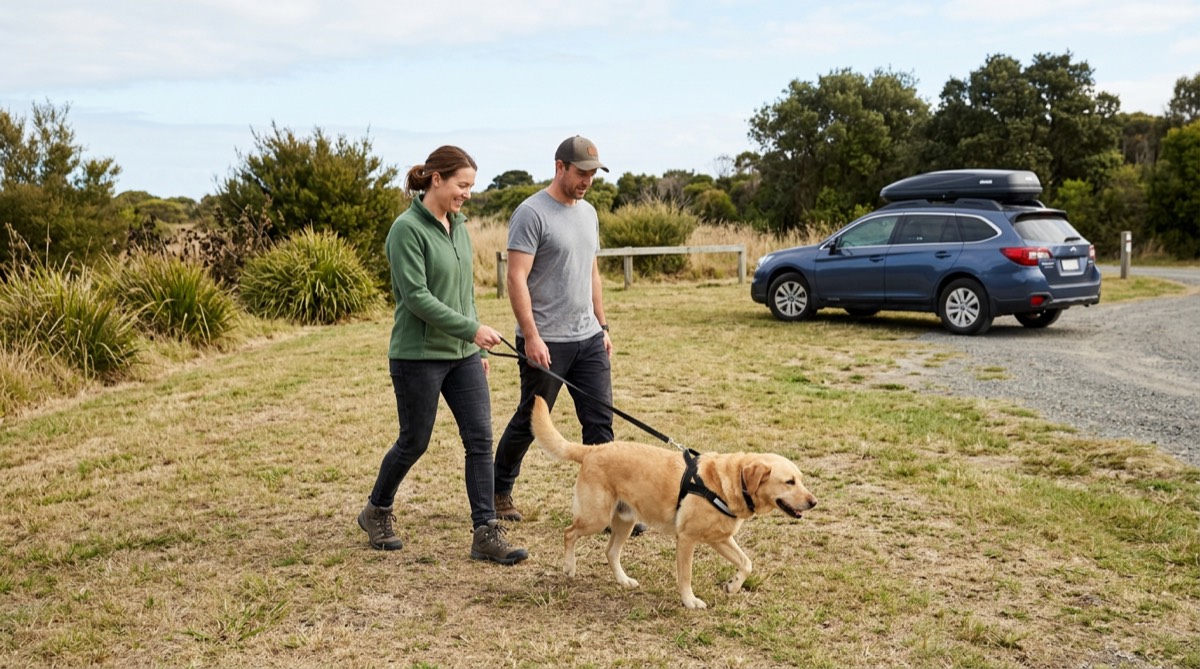
Your dog has watched you pack for enough trips. This time they're coming too, and you've found a rental with a yard and a short drive to the trail you've been wanting to hike.
A road trip with a dog takes a little more planning than one without, but most of it happens before you leave the driveway. This guide walks you through checking the rental's pet policy, preparing your dog's paperwork, planning the drive and keeping every booking detail where you can find it.
The rental's pet policy decides whether the trip works at all, so read it in full before you pay a deposit. "Pet-friendly" means very different things between listings.
Look for the policy in the listing, then message the host with anything it doesn't answer. Ask about these points in writing:
Keep the host's replies in the same thread as your booking. Get the pet rules in writing so you have something to point to if a question comes up during the stay.
Check your dog's insurance before the trip, because a vet visit far from home is the moment you'll want to know exactly what's covered. Find your policy documents and read the parts that matter when you're traveling.
Start with where you can get treatment. A clinic near your rental will almost certainly be one you've never used, so you need to know whether your plan restricts which vets you can see. If your dog is already covered by dog insurance from Spot Pet Insurance, its plans have no vet restrictions in the U.S. or Canada, so a local clinic near the rental works. Check your deductible and reimbursement level too, and save your policy number and the claims contact in your phone before you set off.
Then read the sections on routine care and pre-existing conditions, since policies handle them differently from accidents and illnesses. It's quicker to read them at home than on the phone from a waiting room.
A single folder with your dog's paperwork saves you from digging through emails at a vet's front desk or a state line. Put paper copies in the folder and keep photos of every page on your phone.
Rules for traveling between states are set by the place you're going, not the one you're leaving. The USDA notes that your destination state may have animal health requirements, such as a health certificate or updated vaccinations, and suggests contacting your vet as soon as you know your travel details.
Add these to the folder:
Check that your dog's tag and microchip details show your current phone number. Update the microchip contact details online before you leave if anything has changed.
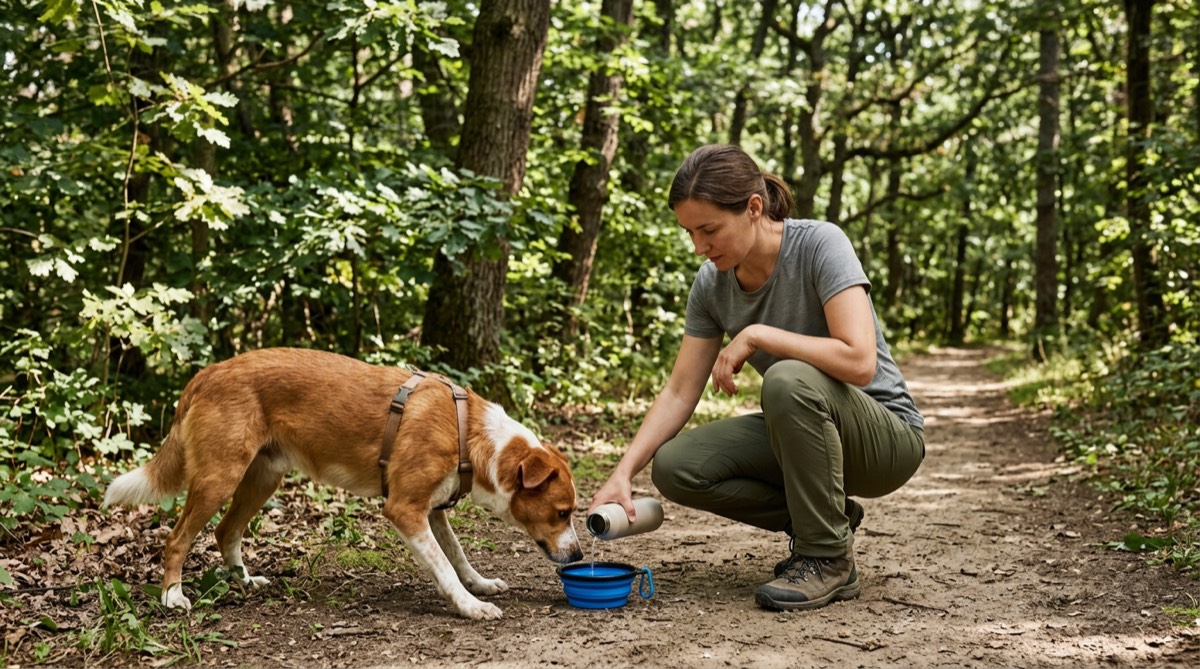
A good road trip plan builds in regular stops for your dog to stretch, drink and use the bathroom. Map the route with those breaks in mind, and the drive will go more smoothly for everyone in the car.
Rest areas with grassy sections, parks just off the highway and quiet trailheads all work better than a busy gas station forecourt. Look up a few options along the route before you go, so you're not searching while your dog is restless.
The CDC's advice is simple: never leave pets in a parked car. It notes that temperatures inside the car can rise almost 20 degrees Fahrenheit within the first 10 minutes, even with a window cracked open. Plan meals at places with outdoor seating or bring food you can eat outside with your dog.
Keep water, a collapsible bowl, waste bags, a leash, a towel and a few treats within reach of the front seat. A familiar blanket or bed in the back helps your dog settle for longer stretches.
If your dog isn't used to long drives, take a couple of shorter trips in the weeks before. You'll learn how often they need to stop and whether they're comfortable in the car.
On the road, your phone holds almost everything you need: the booking confirmation, the door code, the host's number, the route and your dog's records. Set it up before you leave so you're not hunting for a code in the dark.
Save the rental address, check-in instructions and host contact in one note, and download offline maps for any stretch with weak signal. A phone that's working that hard also gets handled a lot, at gas pumps, trailheads and rest stops with a leash in the other hand. If you're replacing your case before the trip, custom phone cases from Custom Envy come in four protection levels, so you can choose one with drop protection that suits a few days of outdoor stops. Keep a car charger plugged in so the phone doesn't run low before you arrive.
Share the booking details with someone at home too. If your phone is lost or broken, they can send you the address and code.
Top Tip: Take screenshots of the check-in instructions, door code and host's phone number before you leave home. Screenshots open even with no signal, which matters on rural roads and in mountain areas where the rental's confirmation email might not load when you need it.
You can start this trip plan today. Message the host with your pet policy questions, find your dog's vaccination records and look up the requirements for the state you're visiting.
Then pick two or three dog-friendly stops along the route and save them in your maps. With the rules, paperwork and route sorted, you can spend the trip enjoying the new trails with your dog.
Ask how many dogs are allowed and what the pet fee is. Check whether dogs can be left alone, which areas are off-limits and whether the yard is fully fenced.
Bring your dog's rabies certificate, vaccination records and a health certificate if your destination state asks for one. Add your vet's contact details, your insurance policy number and a recent photo of your dog.
Save the rental address, check-in instructions and host contact in one note on your phone and take screenshots in case you lose signal. Share the details with someone at home in case your phone is lost or broken.