The Hidden Natural Side
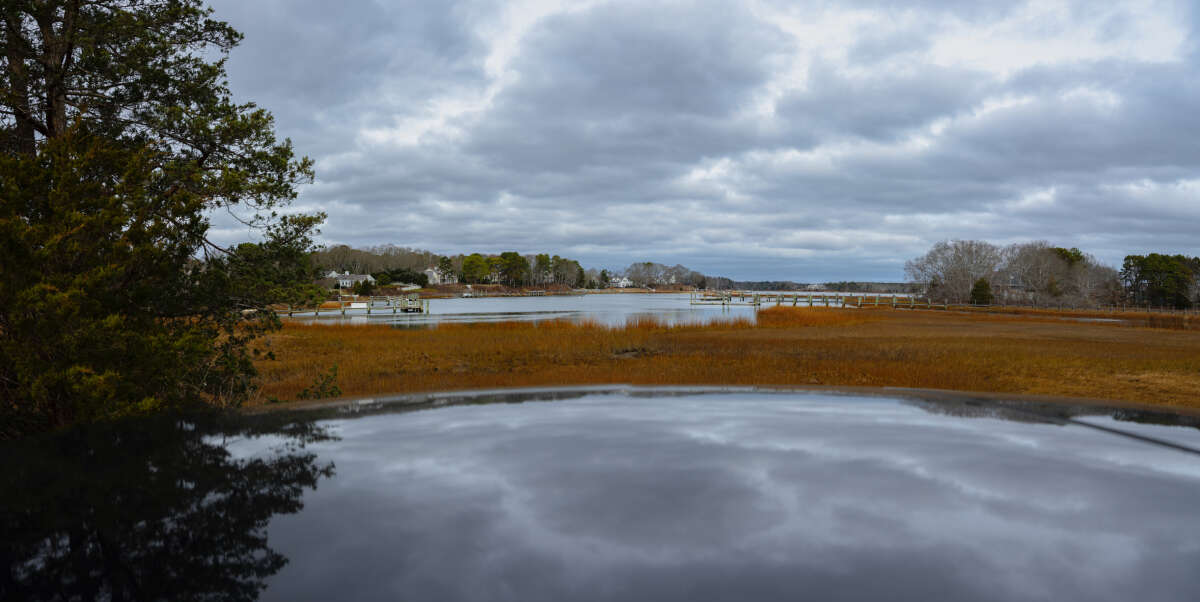
The Hidden Natural Side of Barnstable: Kettle Ponds, Salt Marshes, Cedar Swamps & Coastal Trails
When you picture Cape Cod, sandy beaches, lighthouses, fishing boats, and charming seaside villages probably come to mind. But beyond the familiar coastline lies another remarkable landscape of freshwater kettle ponds, ancient glacial formations, quiet cedar swamps, winding salt marshes, seasonal wetlands, and wooded conservation trails. In Barnstable, Massachusetts, these lesser-known natural environments reveal a side of Cape Cod that many vacationers never discover.
Stretching from Cape Cod Bay to Nantucket Sound, the Town of Barnstable encompasses an extraordinary variety of ecosystems. Its seven villages are surrounded by landscapes shaped by glaciers, ocean tides, freshwater springs, and centuries of natural change. Exploring these environments offers a different perspective on Cape Cod, one that extends far beyond the beach.
Whether you enjoy hiking, kayaking, birdwatching, nature photography, or simply discovering peaceful places away from busy tourist areas, Barnstable's ponds, marshes, forests, and conservation lands provide opportunities to experience the Cape's natural beauty throughout the year.
A Landscape Created by Glaciers and the Sea
To understand Barnstable's natural environment, it helps to look back thousands of years to the glaciers that shaped Cape Cod. As the last continental ice sheet retreated, it left behind deposits of sand, gravel, and other materials that formed much of the peninsula's landscape.
Large blocks of ice became buried in glacial sediments. When they eventually melted, they left depressions known as kettle holes. Some filled with groundwater, creating the freshwater ponds that remain scattered throughout Barnstable today.
Glacial deposits also created ridges and sandy plains that influence the town's soils, vegetation, and drainage patterns. Over time, rising seas and coastal processes formed the beaches, tidal flats, salt marshes, and sheltered bays that characterize Barnstable's shoreline.
The result is an unusually diverse environment where freshwater and saltwater habitats exist within a relatively small geographic area.
Kettle Ponds: Cape Cod's Hidden Freshwater Treasures
One of Barnstable's most distinctive natural features is its collection of freshwater ponds. Many occupy depressions left behind by melting glacial ice, creating peaceful bodies of water surrounded by forests, sandy slopes, and wetland vegetation.
Unlike the Atlantic beaches, these inland ponds offer a quieter setting for exploring Cape Cod's natural landscape. Depending on the pond and its access regulations, activities may include kayaking, canoeing, fishing, swimming, or walking along nearby conservation trails.
Hamblin Pond in Marstons Mills
Hamblin Pond is one of the notable freshwater ponds in the Marstons Mills area. Surrounded by wooded residential landscapes, it reflects the quieter inland character of Barnstable.
The pond is associated with freshwater recreation and fishing, although public access and permitted activities should be confirmed before visiting. Its setting offers a contrast to the busy coastal beaches along Nantucket Sound.
Hathaway's Pond and the Hyannis Area
Hathaway's Pond is another example of Barnstable's freshwater landscape. Located in the Hyannis area, it provides an opportunity to experience a pond environment within a short distance of the town's commercial center.
The surrounding landscape illustrates how glacial ponds, wooded habitats, and recreational spaces can exist close to developed neighborhoods.
Protecting Barnstable's Freshwater Ponds
Freshwater ponds are sensitive ecosystems. Water quality can be affected by runoff, nutrient pollution, development, and changes in surrounding land use.
When exploring pond areas, respect posted access rules, avoid disturbing shoreline vegetation, and help keep the water clean. These small actions contribute to protecting some of Cape Cod's most valuable freshwater resources.
Salt Marshes: Where Land and Sea Meet
Along Barnstable's coastline, salt marshes create some of the most ecologically important landscapes on Cape Cod. These wetlands develop in sheltered coastal areas where tidal water regularly floods low-lying land.
Salt-tolerant grasses and other specialized plants thrive in the changing conditions, while winding tidal creeks connect the marshes to nearby harbors and bays.
Salt marshes provide nursery habitat for fish, feeding areas for birds, and protection against coastal flooding. They also help filter water and support the overall health of nearby coastal ecosystems.
The Great Marshes of Barnstable Harbor
One of Barnstable's most impressive natural areas is the extensive marsh system surrounding Barnstable Harbor.
Protected in part by the long barrier beach at Sandy Neck, these marshes form an intricate landscape of tidal channels, grasses, shallow pools, and mudflats.
At low tide, exposed flats reveal winding patterns across the marsh. At high tide, water moves through the channels and transforms the scenery. The changing landscape makes the harbor especially appealing for photography, birdwatching, and nature observation.
You can appreciate portions of this environment from permitted public access areas near Barnstable Harbor or through authorized guided excursions.
Atlantic White Cedar Swamps and Wetland Forests
One of the least familiar environments on Cape Cod is the Atlantic white cedar swamp. These freshwater wetlands support trees and plants adapted to consistently wet, often acidic soils.
Unlike open salt marshes, cedar swamps create shaded forest environments where water, mosses, shrubs, and wetland vegetation contribute to a distinctive landscape.
Barnstable's conservation planning identifies cedar swamps among the town's important natural communities. These habitats contribute to local biodiversity and can provide shelter for wildlife that depends on protected freshwater wetlands.
Because wetland soils and vegetation are easily damaged, cedar swamp exploration should be limited to designated public trails and authorized access areas. Not every mapped swamp has a public entrance or maintained walking route.
Sandy Neck's Remarkable Forest Communities
Although Sandy Neck is best known for its beach and dunes, its interior contains surprising wooded habitats. Protected areas behind the dunes support maritime forests, freshwater wetlands, and unusual plant communities adapted to the coastal environment.
The Town of Barnstable has identified Sandy Neck's holly forests and coastal basswood stands among its significant natural resources.
These forests demonstrate how different environmental conditions can develop within the same barrier beach system. Exposed dunes may support only sparse vegetation, while sheltered depressions provide conditions suitable for trees and other woodland plants.
Exploring Sandy Neck's designated trails can introduce you to this remarkable transition from open beach to dunes, forest, and salt marsh.
Herring Runs: Cape Cod's Seasonal Wildlife Corridors
Another important but often overlooked part of Barnstable's natural landscape is its network of streams and waterways used by migratory fish.
Each spring, river herring travel from coastal waters into freshwater ponds and streams to reproduce. These migrations connect the marine environment with inland freshwater ecosystems and provide an important seasonal food source for birds and other wildlife.
Barnstable's conservation planning recognizes herring runs and their surrounding natural corridors as valuable habitats.
Where public access is permitted, observing a herring run during the spring migration can offer a fascinating glimpse into the connection between Cape Cod's ponds, streams, and coastal waters.
Always observe from designated public areas and avoid disturbing fish or entering protected waterways.
Coastal Plain Ponds and Rare Plant Habitats
Some of Barnstable's most environmentally sensitive areas are associated with coastal plain ponds and seasonal wetlands.
These habitats can support specialized plant communities adapted to sandy soils and fluctuating water levels. As pond levels rise and fall, different portions of the shoreline may become exposed, creating conditions for plants that are uncommon in other environments.
The Hyannis Ponds area is particularly significant for its biological diversity and unusual assemblages of plants and wildlife.
Because these ecosystems may contain rare or vulnerable species, conservation and habitat protection are especially important. Enjoy designated public viewing opportunities without entering fragile shorelines or restricted areas.
Best Places to Experience Barnstable's Natural Landscapes
Sandy Neck Beach Park
Sandy Neck Beach Park offers one of the most complete examples of Barnstable's coastal ecosystems, combining Cape Cod Bay shoreline, dunes, salt marshes, maritime forests, and freshwater wetlands.
It's an excellent choice for hiking, beachcombing, birdwatching, and nature photography. Follow designated routes and check current access information before visiting.
West Barnstable Conservation Area
The West Barnstable Conservation Area protects a large wooded landscape with trails that allow you to explore the town's inland natural environment.
Its forests, varied terrain, and conservation habitats provide a peaceful setting for walking, observing wildlife, and experiencing Cape Cod away from the coastline.
Long Pasture Wildlife Sanctuary
Located near Barnstable Harbor, Long Pasture Wildlife Sanctuary offers an opportunity to explore coastal and upland habitats overlooking the surrounding marshes and waterways.
Managed by Mass Audubon, the sanctuary is known for nature education, walking opportunities, and scenic views. Check current visitor information, trail availability, and any applicable admission requirements before arriving.
Marstons Mills and Its Freshwater Ponds
The Marstons Mills area provides access to a quieter side of Barnstable, where freshwater ponds, wooded roads, and conservation lands reveal the town's glacial landscape.
Choose a designated public recreation area or conservation trail and spend time discovering the scenery beyond the coastal beaches.
Santuit Pond and Surrounding Conservation Lands
The Santuit Pond area in southern Barnstable offers another opportunity to appreciate freshwater and woodland environments.
Nearby protected lands contribute to the preservation of wildlife habitat and natural resources. Confirm public trail access and permitted recreational activities before exploring.
Birdwatching and Wildlife in Barnstable
Barnstable's combination of beaches, tidal flats, marshes, ponds, forests, and wetlands makes it an appealing destination for wildlife observation.
Along the coast, you may encounter shorebirds, herons, egrets, ospreys, and other birds associated with marine and estuarine habitats. Inland, wooded trails and freshwater wetlands attract songbirds, waterfowl, amphibians, and other wildlife.
Spring and fall migrations can be especially rewarding for birdwatchers, while summer offers opportunities to observe wildlife throughout the town's coastal and inland environments.
Bring binoculars, move quietly, and maintain a respectful distance from animals and nesting areas. For a more educational experience, consider guided nature programs offered by local conservation organizations.
Explore Barnstable Through the Seasons
Every season offers a different way to experience Barnstable's natural side.
In spring, freshwater wetlands become active, migrating birds return, and river herring move toward inland spawning areas. Summer brings opportunities for kayaking, swimming, hiking, and exploring the shoreline.
Fall transforms the wooded conservation areas with seasonal color and cooler temperatures that can be ideal for longer walks. Winter reveals quieter landscapes, open marsh views, and opportunities to observe coastal birds.
Weather, trail conditions, and access restrictions can change throughout the year, so check local information before planning an outdoor excursion.
Tips for Exploring Barnstable's Conservation Lands
Many of Barnstable's most beautiful natural environments are also sensitive ecosystems. Staying on designated trails, respecting private property, observing posted regulations, and carrying out anything you bring in are essential parts of responsible exploration.
Wear suitable walking shoes, bring water, use insect protection when appropriate, and check conditions before visiting wetlands or wooded areas. Ticks can be present in grassy and wooded environments, so take appropriate precautions after outdoor activities.
When exploring salt marshes and coastal areas, pay attention to tides and avoid entering unstable mudflats or unfamiliar tidal channels.
Where to Stay While Exploring Barnstable's Natural Side
With seven villages stretching from Cape Cod Bay to Nantucket Sound, Barnstable offers convenient locations for exploring both coastal and inland environments.
Vacation rentals in West Barnstable and Barnstable Village provide access to Sandy Neck, Barnstable Harbor, historic Route 6A, and nearby conservation lands. Marstons Mills offers a quieter inland setting near freshwater ponds, while Cotuit, Osterville, and Centerville provide access to southern coastal scenery and natural areas.
Hyannis offers a central location with restaurants, shopping, transportation, and access to attractions throughout the Mid-Cape region.
Booking directly with a professional Barnstable or Cape Cod vacation rental manager can help you find accommodations suited to your travel plans, whether you're looking for a traditional Cape Cod cottage, a family vacation home, or a peaceful retreat near the water.
Discover a Different Side of Cape Cod
Barnstable's beaches and historic villages may attract much of the attention, but its natural landscapes tell an equally fascinating story.
Glacial kettle ponds reveal how Cape Cod was formed. Salt marshes demonstrate the daily influence of ocean tides. Cedar swamps and coastal forests preserve unusual habitats, while herring runs connect freshwater ponds to the sea.
From Sandy Neck's windswept dunes to the wooded trails of West Barnstable and the quiet ponds of Marstons Mills, these landscapes offer countless opportunities to experience Cape Cod beyond its traditional beach destinations.
On your next visit to Barnstable, take time to explore the places between the villages and shorelines. You may discover that some of Cape Cod's most memorable scenery is found far from the crowded beaches, hidden among its ponds, forests, marshes, and coastal trails.
Additional Find Rentals Articles

 BOOK DIRECT
 Connect with a Manager