 Connect with a Manager
Vail Colorado
Vail Colorado Travel Guide
Travel to Vail for one of America's best alpine resort towns with unique European small town feel! Visitors enjoy bountiful year-round…
 BOOK DIRECT
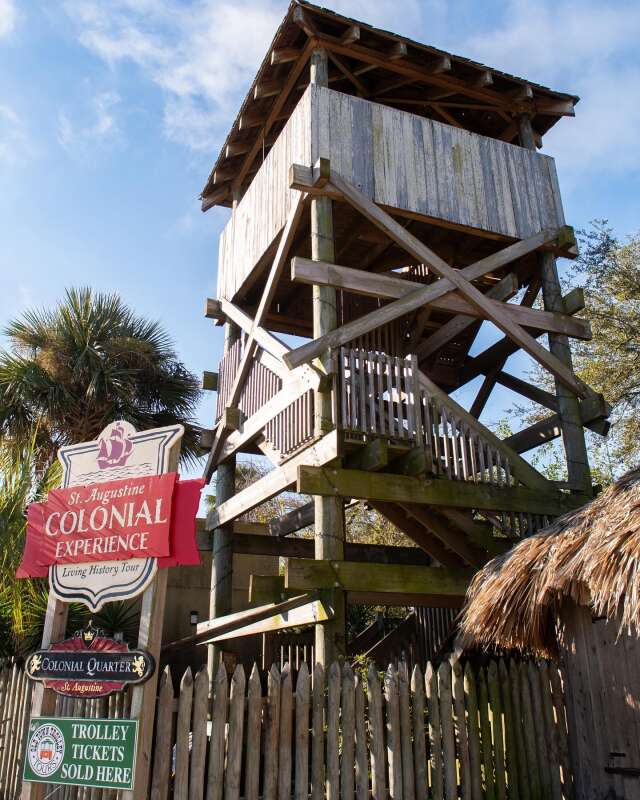
At St. Augustine's Colonial Quarter, you'll journey through three centuries of Spanish influence. The meticulously reconstructed buildings showcase 16th-century architectural blueprints, giving you an authentic look at daily life and defense strategies from that era. Interactive exhibits let you try your hand at colonial crafts like blacksmithing, weaving, and candle making. Wander through workshops and see history come alive through educational activities. Don't miss the shops and eateries offering historical souvenirs and local cuisine. Plan your visit to explore this living museum, and discover even more about the rich heritage embedded in every corner of the Colonial Quarter.
Often considered a living museum, the Colonial Quarter in St. Augustine, FL, offers a carefully detailed glimpse into the city's rich history, dating back to the 16th century. As you wander through this historic district, you'll notice the profound Spanish influence on its colonial architecture. The layout and building styles reflect the strategic and cultural priorities of the Spanish colonizers who first settled here.
The Colonial Quarter's buildings are not mere replicas; they're constructed using primary sources like original blueprints and historical documentation. This ensures that what you're seeing is as close to genuine as possible. The coquina stone, timber framing, and clay tile roofs all tell a story of resilience and adaptation. Each architectural detail, from wrought-iron balconies to thick wooden doors, is rooted in the need for both defense and daily living under Spanish rule.
Exploring these structures offers a sense of liberation, a connection to the lives and struggles of those who sought freedom in a new world. The careful preservation of these buildings serves as a tribute to the enduring spirit of the city and its people.
As you step into the Colonial Quarter, the 16th-century ambiance envelops you, offering a meticulously reconstructed environment that draws heavily from primary sources and historical records. The architectural features, such as coquina stone structures and wooden timbers, reflect the practical yet resilient design choices of Spanish settlers. These buildings aren't just facades; they're living demonstrations to a time when survival depended on resourcefulness and adaptation.
In exploring these structures, you'll notice the cultural practices intricately woven into daily life. From open-air kitchens to communal gathering spots, every aspect of the settlement underscores a community-oriented lifestyle deeply influenced by both European and indigenous traditions. Historical records reveal that these practices were essential for maintaining harmony and ensuring survival in a new world.
Trade routes and exploration journeys defined the era, bringing not just goods but also ideas and cultural exchanges. The Colonial Quarter vividly illustrates how St. Augustine was a hub of activity, connecting the Old World with the New. Artifacts and exhibits within the Quarter showcase the vast network of trade routes that sailors navigated, creating a rich tapestry of global interaction. Here, history isn't static—it's a vibrant story of resilience and discovery.
In the 17th century, life in St. Augustine evolved significantly, marked by the fortification of the settlement and the diversification of its populace, as evidenced by numerous primary sources detailing the construction of the Castillo de San Marcos and the arrival of settlers from various regions. The daily routines were a blend of necessity and tradition. You'd wake up to the sounds of bustling markets and the rhythmic hammering from the fort's construction. The indigenous Timucua, Spanish settlers, African slaves, and free people of color coexisted, each contributing their cultural traditions to the community's fabric.
Primary sources reveal that the construction of the Castillo de San Marcos, completed in 1695, was a monumental task, engaging the entire community. You'd see men laboring over coquina blocks, women tending to household chores, and children playing in the narrow streets. Cultural traditions were vibrant, with Spanish religious festivals, African music, and indigenous rituals filling the air with a sense of unity and diversity.
Life wasn't easy, but it was rich with cultural exchange. Your daily routines weren't just about survival; they were about preserving and blending the diverse heritage that made St. Augustine a unique mosaic of human experiences.
The 17th century in St. Augustine was marked by pivotal events such as the completion of the Castillo de San Marcos, which reshaped the town's strategic importance and social dynamics. This fortress, constructed to defend against pirates and rival European powers, symbolized the Spanish influence that permeated every aspect of St. Augustine's identity. Your exploration of this era will reveal how the Spanish fostered cultural exchange, blending their traditions with those of indigenous peoples and African slaves.
Consider these highlights:
The 17th century was a time of strategic consolidation and rich cultural interaction, laying the foundations for the diverse community St. Augustine is known for today.
You'll find that the Colonial Quarter in St. Augustine offers meticulously designed interactive exhibits that bring 18th-century life to vivid reality, immersing you in the daily experiences of its diverse inhabitants. This immersive experience is built on interactive activities and educational workshops that encourage you to step into the shoes of early settlers and Native Americans alike. The exhibits provide a detailed analysis of the ways these communities lived, worked, and interacted.
These interactive activities are not only engaging but also educational. Historical reenactments add depth, portraying the customs and challenges of 18th-century St. Augustine. The exhibits are grounded in contextual accuracy, often drawing from primary sources like diaries, letters, and colonial records. This guarantees that you're not just observing history, but living it.
Through hands-on participation and expert storytelling, live demonstrations at the Colonial Quarter offer an authentic glimpse into the trades and daily activities of 18th-century inhabitants. You'll find yourself immersed in a world where historical reenactments and artisan demonstrations bring the past to life. These cultural experiences are not only enthralling but also educational activities that deepen your understanding of early American life.
Witnessing these live demonstrations, you'll see how skilled artisans crafted essential items and tools that were pivotal for everyday survival and commerce. The detailed analysis of each trade, from blacksmithing to carpentry, is based on primary sources and contextual accuracy, ensuring you get an accurate representation of the period.
These demonstrations don't just show how things were done; they let you feel the freedom and innovation of the colonial era, making history come alive in the most engaging way possible.
Amidst the vibrant historical setting of the Colonial Quarter, you'll encounter meticulously reconstructed artillery pieces that demonstrate the strategic importance of weaponry in 18th-century colonial defense. These cannons and mortars, built to exacting historical specifications, highlight the artillery techniques that were pivotal for both offense and defense in colonial warfare. By examining these replicas, you'll gain a deeper understanding of the technological advancements that shaped military strategy during this era.
Primary sources, such as military manuals and firsthand accounts from soldiers, emphasize the role of artillery units in protecting settlements like St. Augustine from both land and sea threats. The historical significance of these artillery pieces can't be overstated. They were not just tools of war but symbols of power and deterrence, essential for maintaining the delicate balance of colonial power.
You'll find that the Colonial Quarter's attention to detail helps paint a vivid picture of life in a fortified colonial city. The accuracy of these reconstructions offers a tangible connection to the past, allowing you to appreciate the ingenuity and resilience of those who fought for their freedom and survival with the technological resources of their time.
In the Blacksmithing Workshops at the Colonial Quarter, you'll engage in hands-on learning experiences that bring history to life. Observing and participating in traditional metalworking techniques, as documented in 18th-century records, provides a tangible connection to the past. This interactive approach not only demonstrates the skill required but also underscores the blacksmith's vital role in the colonial community.
Participants in the blacksmithing workshops at St. Augustine's Colonial Quarter gain hands-on experience by forging metal using traditional techniques, providing an authentic glimpse into 18th-century craftsmanship. These workshops offer educational workshops and interactive experiences that allow you to step back in time and truly understand the skill involved in blacksmithing. You'll engage in immersive activities that make history come alive, using the same tools and methods that blacksmiths did centuries ago.
The workshops highlight the importance of blacksmiths in colonial society, where producing essential items like nails, horseshoes, and tools was pivotal for survival and development. By participating, you'll join a long line of artisans who practiced these essential skills. Here's what you can expect:
These hands-on experiences not only educate but also inspire a deeper appreciation for the craftsmanship and innovation of the past, offering you a tangible connection to history.
Delving into the traditional metalworking techniques taught in the blacksmithing workshops, you'll discover the intricate processes and historical methods that artisans have meticulously preserved for centuries. These workshops offer a hands-on experience where you can engage with techniques that have both cultural significance and contemporary relevance.
In these sessions, you'll explore various metalworking techniques and their modern applications, appreciating how historical craftsmanship seamlessly integrates into today's world. The workshops emphasize the importance of maintaining the integrity of traditional methods while adapting them for modern needs.
The cultural significance of these techniques lies in their ability to connect us to past artisans, ensuring their skills are not lost to time. By participating in these workshops, you're not just learning a trade; you're embracing a legacy that has shaped our history. This blend of old and new embodies a spirit of freedom, allowing you to create with a sense of purpose and connection.
Stepping into the Colonial Quarter, you'll find a delightful array of shops and eateries that offer a glimpse into the vibrant commerce and culinary traditions of St. Augustine's past. As you wander through cobblestone streets, each establishment invites you to explore a piece of history. The shops are packed with unique souvenirs that reflect the rich cultural tapestry of this historic city. From handcrafted jewelry to period-accurate clothing, you'll discover items that serve as tangible connections to the past.
The eateries, on the other hand, provide a taste of local cuisine, with dishes that have been passed down through generations. Here, you can savor the flavors that have shaped the region's culinary identity.
Consider exploring: - Handcrafted Jewelry: Each piece tells a story of local artisanship and historical influences. - Period-Accurate Clothing: Dress like a colonial settler with garments made using traditional techniques. - Historical Replicas: Perfect for history buffs, these items bring the past to life. - Local Spices and Ingredients: Take home the flavors of St. Augustine to recreate traditional dishes. - Colonial-Era Toys and Games: Engage with the past through play.
Each shop and eatery in the Colonial Quarter offers a unique window into the daily lives and traditions of St. Augustine's early inhabitants.
When planning your visit to the Colonial Quarter, you'll want to check their operating hours, which are typically aligned with the peak tourist seasons. Ticket prices vary based on age and group size, so reviewing the pricing details beforehand can help you budget accurately. Additionally, consider exploring nearby attractions like the Castillo de San Marcos to enrich your historical experience.
To assure you make the most of your visit to the Colonial Quarter in St. Augustine, it's important to know their operating hours and any seasonal variations that might impact your plans. Typically, the Colonial Quarter is open daily from 9:00 AM to 5:00 PM, but hours can differ during holidays and special events. It's always a good idea to check their official website or call ahead for the most current information.
Planning your visit around these hours guarantees you can fully enjoy the array of visitor amenities, including guided tours and interactive exhibits. Additionally, you won't miss out on special events that frequently take place in this historic setting. When considering accessibility and parking options, you'll find that there are several nearby public parking facilities and the area is wheelchair accessible.
Here are some key points to keep in mind:
Staying informed about operating hours ensures a smooth and enjoyable experience at the Colonial Quarter.
Understanding the ticket pricing details for the Colonial Quarter is crucial for planning your visit effectively, as it allows you to budget accordingly and take advantage of any available discounts or package deals. The Colonial Quarter offers a variety of ticket packages tailored to fit different visitor needs. For example, general admission tickets grant you access to all exhibits and daily tours. However, if you're seeking more value, consider the combination packages that include entry to other local attractions. These special offers can save you money and enhance your experience.
Group rates are available for larger parties, making it a great option for school trips, family reunions, or corporate outings. Discounts are typically provided for groups of ten or more, and it's best to book in advance to secure availability. Moreover, senior citizens, military personnel, and children often receive discounted rates, so be sure to inquire about these when purchasing tickets.
Checking the official Colonial Quarter website or contacting their customer service can provide the most up-to-date information on pricing and any ongoing special offers. This advance planning guarantees you'll get the best deals and make the most of your visit.
After securing your tickets, you'll find that the Colonial Quarter is surrounded by a wealth of nearby attractions that can enrich your visit to St. Augustine. This historic area isn't just a time capsule; it's a gateway to an array of experiences waiting to be explored.
You'll enjoy a variety of nearby restaurants and shopping options that cater to all tastes and styles. From local eateries offering fresh seafood to boutique shops with unique finds, there's something for everyone. Don't miss out on these highlights:
These attractions offer a mix of recreational activities and entertainment, ensuring you can create a diverse and fulfilling itinerary. Embrace the freedom to explore and immerse yourself in the rich culture and history of St. Augustine.
Experience the perfect coastal getaway with Ocean Gallery Properties, offering professionally managed vacation rentals at the beautiful Ocean Gallery Resort on St. Augustine…
Our journey began in 2004 with a clear goal: to connect travelers with exceptional homes. Since then, we’ve helped hundreds of thousands of guests create meaningful,…
If you're wondering about group rates or school discounts, you're in luck. Many places offer special pricing for large groups and educational trips. It's common to find reduced rates that make visits more affordable. Always check their official website or contact them directly for the most accurate information. This way, you guarantee you're getting the best deal and making the most of your visit.
You're probably wondering if the place is wheelchair accessible. Yes, there are accessibility accommodations in place. The venue includes wheelchair-friendly attractions to guarantee everyone can explore freely. Primary sources confirm that pathways and facilities are designed to be navigable for all visitors. They aim to provide an inclusive experience, so you won't miss out on any of the engaging activities they offer.
You're probably wondering about pet policies and if there are pet friendly accommodations. Yes, pets are allowed, but there are specifics you'll need to follow. Always check the latest pet policies directly from primary sources for any updates. Remember, while pets are welcomed, make sure they are well-behaved and leashed. This way, you and your furry friend can explore freely without any issues.
You're probably wondering about the modern amenities available, right? Well, you'll find restrooms and Wi-Fi to stay connected. Dining options offer delightful meals, perfect for a break. As for entertainment offerings, there's something for everyone, ensuring you're thoroughly engaged. The amenities cater to your modern needs while you explore, offering a seamless blend of comfort and historical experience. You'll have the freedom to enjoy every moment.
Yes, you can host private events or weddings at the location. With excellent event planning services, the venue offers a historical ambiance that's perfect for making your special day unforgettable. It's one of the top wedding venues, providing both indoor and outdoor spaces that combine old-world charm with modern conveniences. You'll find that the staff is experienced and enthusiastic to help you create a memorable event.