Beyond the Neon
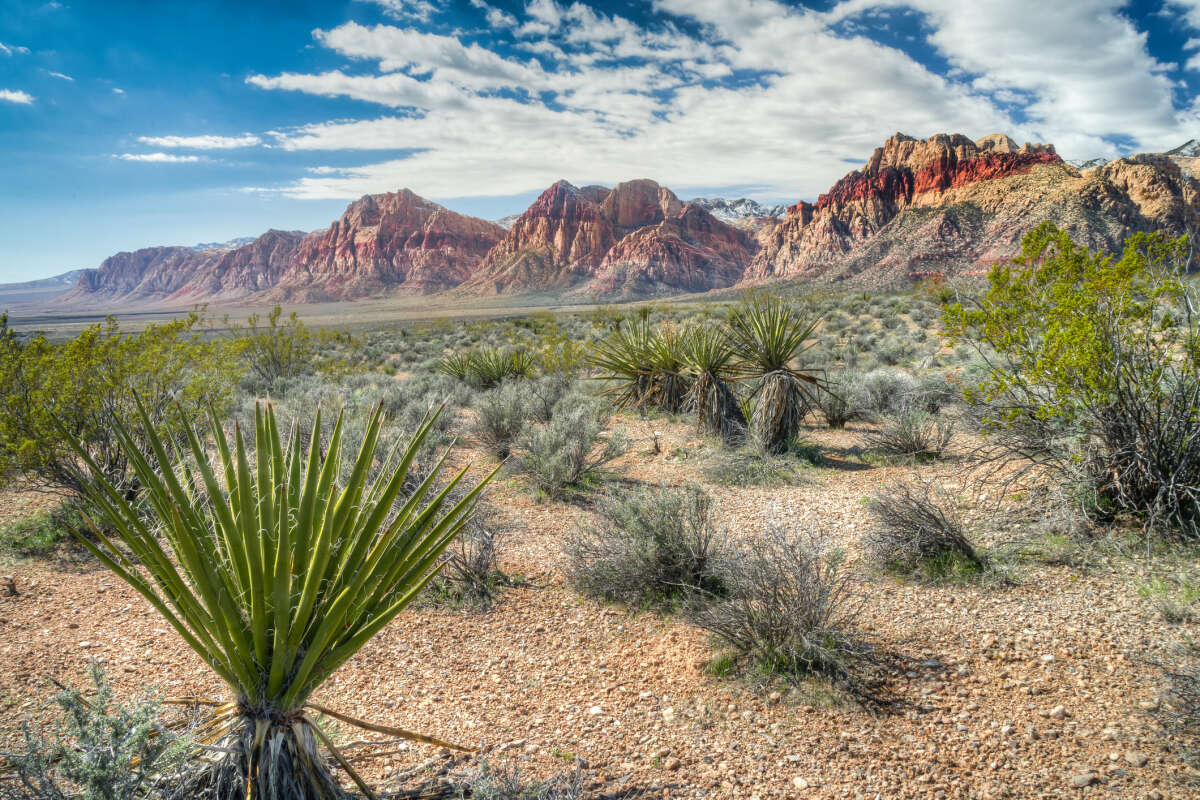
Beyond the Neon: Exploring Las Vegas' Hidden Desert Landscapes & Natural Wonders
Las Vegas, Nevada, is famous for its dazzling casinos, world-class entertainment, extravagant resorts, and legendary nightlife. But beyond the neon lights of the Las Vegas Strip lies another side of Southern Nevada that many people never experience. Towering red sandstone cliffs, ancient desert canyons, colorful rock formations, mountain forests, and expansive desert lakes reveal a landscape as extraordinary as the city itself.
Surrounded by the Mojave Desert and dramatic mountain ranges, Las Vegas offers access to some of the Southwest's most remarkable natural wonders. Within a relatively short drive of the city, you can hike through ancient geological formations, discover Native American rock art, explore scenic desert highways, photograph unusual landscapes, or escape into cooler mountain elevations.
Whether you're planning a family vacation, romantic getaway, outdoor adventure, or simply looking for unique things to do in Las Vegas beyond the Strip, these natural attractions reveal a side of Nevada where the scenery provides the entertainment. From the fiery sandstone of Valley of Fire State Park to the towering peaks of Mount Charleston, discover why the landscapes surrounding Las Vegas deserve a place on your vacation itinerary.
Red Rock Canyon: A Desert Wonderland Just Beyond Las Vegas
Only about 17 miles west of the Las Vegas Strip, Red Rock Canyon National Conservation Area offers one of the most dramatic changes of scenery you can experience in Southern Nevada. Within minutes of leaving the city behind, towering red and cream-colored sandstone cliffs rise above the desert floor, creating a landscape that feels worlds away from the casinos and bustling streets of Las Vegas.
Red Rock Canyon is famous for its spectacular geological formations, shaped by millions of years of shifting sand dunes, geological uplift, and erosion. The colorful Aztec Sandstone cliffs create striking contrasts against the surrounding gray limestone mountains and desert vegetation. Depending on the sunlight, the rocks appear in shades of crimson, orange, pink, and gold.
Experience the 13-Mile Red Rock Canyon Scenic Drive
One of the best ways to experience Red Rock Canyon is along its 13-mile, one-way scenic drive. This paved route winds through the conservation area, offering numerous overlooks, trailheads, and opportunities to photograph the surrounding mountains. You don't need to be an experienced hiker to appreciate the landscape. Simply driving the scenic loop reveals some of the most impressive desert scenery near Las Vegas.
For a closer look, explore the Calico Hills, where colorful sandstone formations create a fascinating landscape of ridges and rocky slopes. The Calico Tanks Trail offers a more adventurous experience, leading through sandstone terrain toward impressive views of the Las Vegas Valley. Families and casual hikers may prefer shorter walks and scenic overlooks, while experienced outdoor enthusiasts can explore more challenging trails.
Red Rock Canyon is also internationally recognized for rock climbing, attracting climbers to its massive sandstone walls and challenging routes. Wildlife sightings may include desert bighorn sheep, lizards, birds of prey, and other species adapted to the Mojave Desert environment.
Travel Tip: Visit early in the morning for cooler temperatures and beautiful light on the sandstone cliffs. Timed-entry reservations are required for the scenic drive during designated daytime hours from October through May. Check current requirements before visiting.
Valley of Fire State Park: Walking Through a Landscape of Flames
Approximately an hour northeast of Las Vegas, Valley of Fire State Park is one of Nevada's most extraordinary natural attractions. Named for its brilliant red sandstone formations that appear to glow like fire beneath the desert sun, the park offers an unforgettable journey through ancient geological history.
Valley of Fire's striking sandstone landscapes developed from ancient sand dunes that hardened into rock over millions of years. Wind, water, and time gradually sculpted the formations into twisting ridges, narrow passages, natural arches, and unusual shapes that seem almost otherworldly.
The park is especially captivating during the early morning and late afternoon, when sunlight transforms the sandstone into brilliant shades of red, orange, and copper. Against the surrounding desert mountains and open blue sky, the scenery creates some of the most remarkable photography opportunities in Southern Nevada.
Discover the Fire Wave, Elephant Rock & Ancient Petroglyphs
Among Valley of Fire's most recognizable geological features is the Fire Wave, a spectacular sandstone formation with sweeping bands of red, orange, and white rock. Its curved layers create the appearance of a frozen ocean wave, making it a favorite destination for landscape photography when the trail is open.
Elephant Rock is another remarkable formation, naturally shaped to resemble an elephant standing in the desert. The park also contains Mouse's Tank, Rainbow Vista, and several scenic roads where the surrounding formations change color and character around nearly every bend.
Beyond its geological wonders, Valley of Fire preserves evidence of the region's early inhabitants. At Atlatl Rock and other locations, you can observe ancient petroglyphs carved into sandstone surfaces by Indigenous peoples who lived in or traveled through the area long before modern Las Vegas existed.
These rock carvings provide a meaningful connection to Southern Nevada's cultural history and offer an opportunity to appreciate the desert as a place of human activity, tradition, and survival across generations.
Travel Tip: Valley of Fire can become dangerously hot during summer. Some popular hiking trails close seasonally because of extreme heat, so check Nevada State Parks for current trail access and conditions before planning your adventure.
Sloan Canyon: Discovering Ancient Rock Art in the Mojave Desert
For an outdoor adventure that combines desert solitude, rugged mountain scenery, and ancient history, explore Sloan Canyon National Conservation Area, located south of Las Vegas near Henderson, Nevada.
Unlike the more heavily visited Red Rock Canyon, Sloan Canyon offers a quieter experience among volcanic hills, desert washes, and remote stretches of the Mojave Desert. Its landscape provides an opportunity to discover the natural and cultural history of Southern Nevada away from the city's busiest attractions.
The conservation area's most significant feature is the Sloan Canyon Petroglyph Site, where more than 300 rock art panels contain approximately 1,700 individual designs. These remarkable carvings represent Indigenous cultures spanning different periods of the region's history.
Explore the Petroglyph Canyon Trail
The Petroglyph Canyon Trail leads into a rugged desert environment where ancient images appear on dark rock surfaces. Geometric patterns, animal figures, and other designs provide a fascinating glimpse into the cultural significance of the landscape.
Exploring Sloan Canyon is about more than reaching a particular destination. Along the way, you can experience the quiet beauty of the desert, observe native vegetation, and appreciate mountain scenery that has remained largely undeveloped.
Because the petroglyphs are irreplaceable cultural resources, remain on designated routes, avoid touching the carvings, and leave all archaeological features undisturbed.
Travel Tip: Sloan Canyon's trail access and parking arrangements may change during visitor facility construction. Check the Bureau of Land Management's current maps and access information before visiting. Bring plenty of water, wear sturdy footwear, and plan for limited shade.
Seven Magic Mountains: Where Desert Landscape Meets Contemporary Art
Not every remarkable landscape near Las Vegas was created entirely by nature. South of the city, Seven Magic Mountains introduces an unexpected splash of color into the otherwise muted tones of the Mojave Desert.
Created by Swiss artist Ugo Rondinone, this large-scale outdoor art installation features seven towering arrangements of brightly painted boulders. Stacked in vibrant shades of pink, yellow, green, blue, orange, and purple, the formations rise dramatically from the desert floor.
The installation creates a fascinating contrast between the natural environment and contemporary artistic expression. Against the distant mountain ranges and expansive desert sky, the colorful stone towers appear almost surreal.
Seven Magic Mountains is particularly appealing if you enjoy photography, public art, or unusual roadside attractions. The open landscape offers striking views from different perspectives, especially when the sunlight and surrounding shadows change throughout the day.
Although the installation is located near Interstate 15, the surrounding desert setting gives it a sense of isolation. You can appreciate the artwork while also experiencing the vast open spaces that characterize Southern Nevada.
Travel Tip: The site offers little shade and can be extremely hot during warmer months. Visit during cooler hours, bring drinking water, and confirm that the installation remains open before making the drive.
Lake Mead: Discovering an Oasis in the Desert
East of Las Vegas, the rugged desert landscape gives way to the deep blue waters of Lake Mead National Recreation Area, one of the most impressive outdoor recreation destinations in the American Southwest.
Created by Hoover Dam along the Colorado River, Lake Mead stretches through a dramatic landscape of desert mountains, rocky shorelines, and secluded coves. The contrast between the expansive water and surrounding arid terrain makes this destination especially memorable.
Lake Mead offers a completely different outdoor experience from the sandstone canyons and mountain trails surrounding Las Vegas. Depending on current conditions and access, you can enjoy boating, kayaking, fishing, scenic drives, wildlife observation, and waterfront recreation.
Explore Desert Shorelines & Scenic Overlooks
One of the most enjoyable ways to experience Lake Mead is by exploring its scenic roads and overlooks. The Lake Mead area reveals sweeping views of the water framed by rugged mountains, desert vegetation, and geological formations shaped over millions of years.
For a more active adventure, kayaking provides an opportunity to appreciate the shoreline from the water. You may discover quiet coves, interesting rock formations, and striking views of the surrounding desert landscape.
The nearby Hoover Dam adds another dimension to your excursion. This engineering landmark, completed during the 1930s, transformed the Colorado River and played an important role in the development of the American Southwest, including the growth of Las Vegas.
Lake Mead is particularly beautiful during the morning and late afternoon, when the sunlight creates reflections across the water and highlights the surrounding mountains.
Travel Tip: Water levels can affect boat ramps, beaches, and shoreline access. Review current National Park Service conditions before visiting, especially if you plan to launch a boat or participate in water activities.
Mount Charleston: A Mountain Escape Above the Desert
One of the most surprising natural attractions near Las Vegas is Mount Charleston, part of the Spring Mountains National Recreation Area northwest of the city. While the Las Vegas Valley is known for its desert heat, Mount Charleston offers cooler temperatures, alpine scenery, pine forests, and seasonal snowfall.
Rising to nearly 12,000 feet above sea level, Charleston Peak is the highest summit in the Spring Mountains. The surrounding landscape provides a remarkable contrast to the desert environment below, with forested slopes, mountain canyons, and sweeping views across Southern Nevada.
As you drive into the mountains, the vegetation gradually changes. Desert shrubs give way to juniper, pinyon pine, and higher-elevation forests. The air becomes cooler, and the scenery feels more like a mountain retreat than a destination located within driving distance of Las Vegas.
Hiking, Mountain Scenery & Seasonal Adventures
Mount Charleston offers outdoor recreation throughout the year, although activities depend on weather and seasonal conditions. During warmer months, you can explore mountain trails, enjoy scenic picnics, and escape the intense temperatures of the Las Vegas Valley.
Popular mountain areas include Kyle Canyon and Lee Canyon, where scenic roads reveal impressive views of rugged peaks and forested slopes. Hiking opportunities range from relatively short nature walks to challenging mountain routes for experienced hikers.
In winter, snowfall transforms parts of the Spring Mountains into a scenic winter landscape. Depending on conditions, the area offers opportunities for snow-related recreation, providing an experience few first-time Las Vegas vacationers expect.
Mount Charleston also holds deep cultural importance to the Southern Paiute people, whose connections to the Spring Mountains extend back generations.
Travel Tip: Mountain weather can change rapidly, and winter storms may affect road access. Check road conditions, trail closures, and weather forecasts before leaving Las Vegas.
Springs Preserve: Discovering the Natural Origins of Las Vegas
While many of the area's most impressive natural wonders are located outside the city, Springs Preserve offers a fascinating outdoor and educational experience within Las Vegas itself.
This 180-acre cultural and historical attraction preserves the site of the natural springs that helped make human settlement possible in the Las Vegas Valley. Long before the development of casinos, hotels, and entertainment districts, these springs supported Indigenous communities and provided an important source of water in the surrounding desert.
The name Las Vegas comes from the Spanish term meaning "the meadows," reflecting the area's historical springs and green vegetation. Today, Springs Preserve tells the story of how water, geography, and human settlement shaped the city that eventually became one of the world's most recognizable destinations.
Explore Desert Gardens, Nature Trails & Local History
At Springs Preserve, you can explore botanical gardens featuring plants adapted to the Mojave Desert, discover exhibits about Southern Nevada's natural environment, and follow interpretive trails that introduce the region's ecological and cultural history.
The preserve also features museums and educational experiences that examine the area's past, from Indigenous history and early settlement to the development of modern Las Vegas.
One of the most interesting aspects of visiting Springs Preserve is learning how the desert landscape influenced the city's growth. Water conservation, native plants, desert wildlife, and sustainable living are important themes throughout the attraction.
For families, nature enthusiasts, and anyone interested in discovering a different side of Las Vegas, Springs Preserve provides a rewarding alternative to the city's entertainment-focused attractions.
Travel Tip: Springs Preserve is a convenient option when you want to experience nature and history without committing to a long desert drive. Check current museum hours, admission details, and seasonal programming before visiting.
The Mojave Desert: Understanding the Landscape Surrounding Las Vegas
To fully appreciate the natural wonders near Las Vegas, it helps to understand the extraordinary desert environment that connects them. The Mojave Desert stretches across portions of Nevada, California, Arizona, and Utah, creating a landscape defined by rugged mountain ranges, broad valleys, ancient rock formations, and remarkable biological diversity.
Although deserts are often imagined as empty stretches of sand, the Mojave is filled with life. Creosote bushes, yucca plants, cacti, and other drought-adapted vegetation survive in an environment where water is scarce and temperatures can fluctuate dramatically.
Wildlife includes desert tortoises, jackrabbits, lizards, coyotes, and numerous bird species. In mountain environments, you may also encounter desert bighorn sheep navigating rocky slopes.
The geological history of the Mojave Desert is equally fascinating. Ancient seas, shifting sand dunes, volcanic activity, and tectonic forces helped create the region's distinctive landscapes. The colorful sandstone formations of Red Rock Canyon and Valley of Fire reveal chapters of Earth's history that began long before Las Vegas existed.
Exploring these natural environments offers a new appreciation for Southern Nevada. Beyond the city's extraordinary human-made attractions lies an equally impressive world shaped by geological time, climate, and the enduring forces of nature.
Best Time to Explore the Natural Wonders Near Las Vegas
Although Las Vegas welcomes vacationers throughout the year, the best season for exploring the surrounding desert depends on your preferred activities.
Spring: Wildflowers, Hiking & Comfortable Temperatures
Spring is one of the most enjoyable seasons for outdoor adventures near Las Vegas. Generally milder temperatures make hiking, scenic drives, and desert exploration more comfortable. Depending on winter rainfall and seasonal conditions, wildflowers may add bursts of color to the desert landscape.
Summer: Mountain Escapes & Early Morning Adventures
Summer brings intense heat to the lower elevations of the Mojave Desert, making strenuous desert hiking dangerous, particularly during the middle of the day. Mount Charleston provides a cooler alternative, while Lake Mead offers opportunities for water-based recreation with appropriate heat precautions. Desert sightseeing is best limited to suitable conditions and cooler hours.
Fall: Scenic Drives & Desert Exploration
As temperatures begin to cool, fall becomes an excellent season for exploring Red Rock Canyon, Valley of Fire, and other desert attractions. Clear skies and pleasant conditions often make this a rewarding time for photography, hiking, and scenic drives.
Winter: Desert Sunshine & Snow-Covered Mountains
Winter reveals another fascinating contrast in Southern Nevada. While lower desert elevations often remain suitable for daytime sightseeing, the higher elevations around Mount Charleston may experience snow and freezing temperatures. You can experience dramatically different landscapes during the same Las Vegas vacation.
Planning a Las Vegas Vacation Beyond the Strip
One of the advantages of visiting Las Vegas is the opportunity to combine world-famous entertainment with outdoor adventures. You can spend an evening enjoying the restaurants and attractions of the Strip, then wake up the following morning and explore a completely different landscape.
For a shorter vacation, consider dedicating one day to Red Rock Canyon and another to attractions within the city, such as Springs Preserve. If you have more time, add a full-day excursion to Valley of Fire, a visit to Lake Mead and Hoover Dam, or a mountain adventure at Mount Charleston.
Renting a vehicle provides greater flexibility when exploring the natural wonders surrounding Las Vegas, particularly destinations that are not easily reached by public transportation. Plan your routes ahead of time, download offline maps, and confirm access requirements for individual parks and recreation areas.
Always carry sufficient drinking water, use sun protection, and avoid strenuous outdoor activities during extreme heat. Desert conditions can change quickly, and flash flooding may occur in washes and canyons even when rain is falling some distance away. Staying on designated trails and respecting protected cultural and natural resources helps preserve these extraordinary landscapes for future generations.
Where to Stay: Las Vegas Vacation Rentals for Your Desert Adventure
After a day exploring red sandstone canyons, desert lakes, or mountain trails, returning to a comfortable vacation home provides the perfect opportunity to relax and recharge. Las Vegas vacation rentals offer an appealing alternative to traditional hotel accommodations, particularly when you're planning an extended stay, family getaway, group vacation, or outdoor adventure.
Choose from vacation homes and upscale rental properties offering spacious living areas, fully equipped kitchens, private outdoor spaces, and convenient access to Las Vegas attractions. Depending on the property, you may enjoy amenities such as private swimming pools, entertainment areas, and multiple bedrooms that make traveling with family or friends more comfortable.
Staying in a vacation rental also gives you the flexibility to prepare meals, organize your daily adventures, and enjoy quiet evenings away from the busiest entertainment districts. Whether your plans include exploring Red Rock Canyon, visiting Valley of Fire, or enjoying the Las Vegas Strip, the right vacation home can serve as a comfortable base for your entire trip.
For a more personalized experience, consider booking direct with a professional vacation rental manager. Booking directly can help you avoid certain third-party booking fees, communicate with local professionals, and receive valuable recommendations about the destination, nearby attractions, and available accommodations.
Discover a Different Side of Las Vegas
Las Vegas may be celebrated for its neon lights, entertainment, and larger-than-life attractions, but the surrounding desert reveals a different kind of spectacle. Here, towering sandstone cliffs replace skyscrapers, ancient petroglyphs tell stories older than the city, and mountain forests provide a peaceful contrast to the energy of the Strip.
From the brilliant red formations of Valley of Fire and the scenic trails of Red Rock Canyon to the expansive waters of Lake Mead and the cool mountain air of Mount Charleston, Southern Nevada offers an extraordinary variety of landscapes waiting to be explored.
The next time you plan a Las Vegas vacation, venture beyond the familiar attractions and discover the natural wonders that make this region truly unique. You may arrive for the excitement of the city, but the beauty of the Mojave Desert could become one of your most unforgettable experiences.
Explore Las Vegas vacation rentals on Find Rentals and book direct with professional vacation rental managers for local expertise, personalized service, and a more rewarding vacation experience.
Additional Find Rentals Articles

 BOOK DIRECT
 Connect with a Manager