Plan Seating and Owner-Only Storage
How to Plan Seating and Owner-Only Storage in a Vacation Home
Your family uses the vacation home a few weeks a year, and guests use it the rest of the time. That means the living room has to seat a crowd, and your own things, like beach chairs and the good linens, need somewhere to go when you're not there.
Getting both right takes some planning. This guide covers how to map the house, plan seating that works for different group sizes and set up owner-only storage that keeps your belongings out of the way without taking space from guests.
Step 1 - Map Which Spaces Guests Use and Which Stay Private
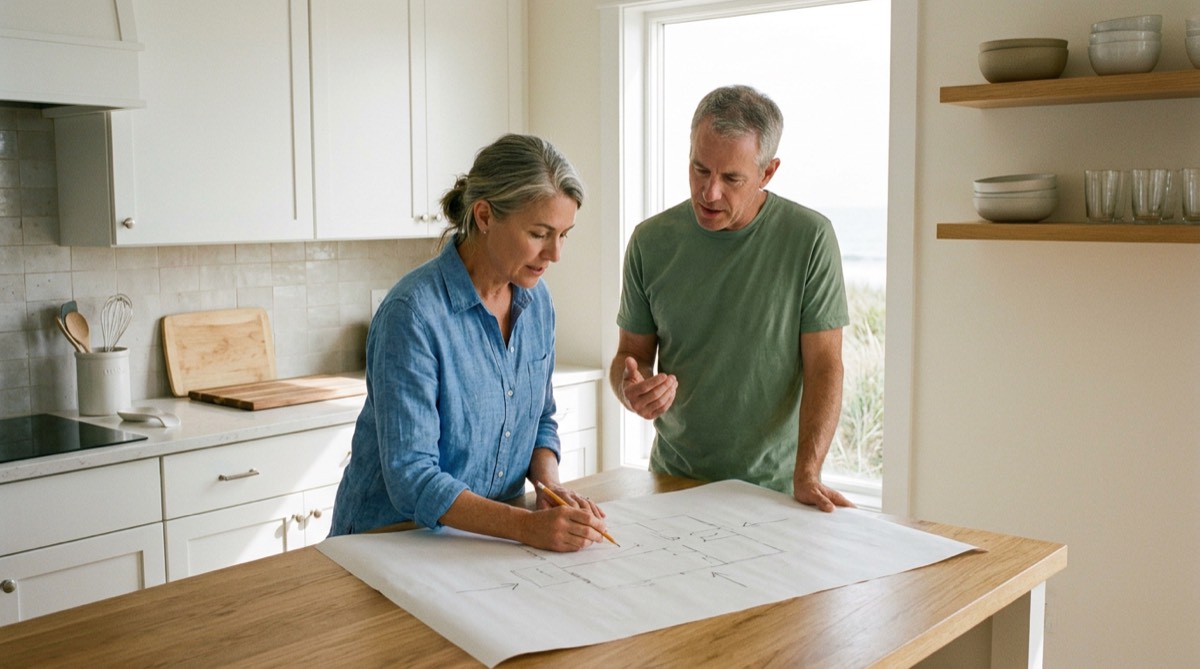
Start by deciding which parts of the house belong to guests and which stay private, because every seating and storage choice depends on that split. Walk through the house with a floor plan or a rough sketch and mark each room and closet as guest space or owner space.
Guests should have full use of the living areas, bedrooms, kitchen and bathrooms. Owner space works best in places guests don't need: a hall closet, part of the garage, a utility room or the attic.
Make a list of what actually needs to stay private before you pick a spot:
- Personal clothing, toiletries and family photos
- Spare linens and towels for your own visits
- Seasonal decor and holiday items
- Tools, paint and spare parts for repairs
- Cleaning and garden products you don't want guests using
Once you can see the list, you'll know whether a single locked closet will do or whether you need more space. Decide the split on paper first so you're not moving things twice.
Step 2 - Plan the Living Room Around How Groups Gather
A good vacation-home living room seats everyone the house sleeps, with room to move around. If the house sleeps eight, aim for eight comfortable seats in the main living area, not counting dining chairs pulled over for the evening.
Count Seats Against Sleeping Capacity
List every bed in the house and add up how many people it sleeps. Then count the seats in the living room. If there's a gap, that's where your seating plan starts.
Keep Walkways Clear
Mark the paths between the entrance, the kitchen, the hallway and any doors to a deck or patio. Leave about three feet of clear space along each one, so guests carrying bags or plates don't have to squeeze past furniture.
Anchor What Could Tip
A vacation home sees families with young children it has never met, so secure anything that could fall. The CPSC calls anchoring TVs and furniture a quick, effective step that can prevent serious injuries. Anchor every TV and tall piece of furniture in the guest areas, including bookcases and dressers.
Step 3 - Choose Seating That Works for Every Group Size
Seating for a vacation home has to suit a couple on a quiet weekend and a big family reunion, so choose pieces you can arrange more than one way. One large, fixed sofa can feel empty for two people and still too small for ten.
Sectionals are a practical answer because they seat more people along the same wall space and can wrap a corner. A modular design adds flexibility. If you're planning a layout with sectional couches from Home Reserve, the modular seats let you start small and add seating over time, so you can live with a smaller setup for a season before deciding whether the room needs more.
Sketch two or three arrangements on your floor plan before you choose, and check each one against the walkways you marked.
Think about durability too. Guests arrive with sunscreen, wet swimsuits and snacks, so fabric that cleans easily will save you time between stays. Leave space for a side table at each end so people have somewhere to put a drink down.
Top Tip: Take a photo of the living room every time you set it up the way you want it, and keep it with your cleaning instructions. When your cleaner or a guest moves the furniture around, the photo shows exactly how to put it back, and the room stays consistent with your listing photos.
Step 4 - Set Up a Locked Owner's Closet
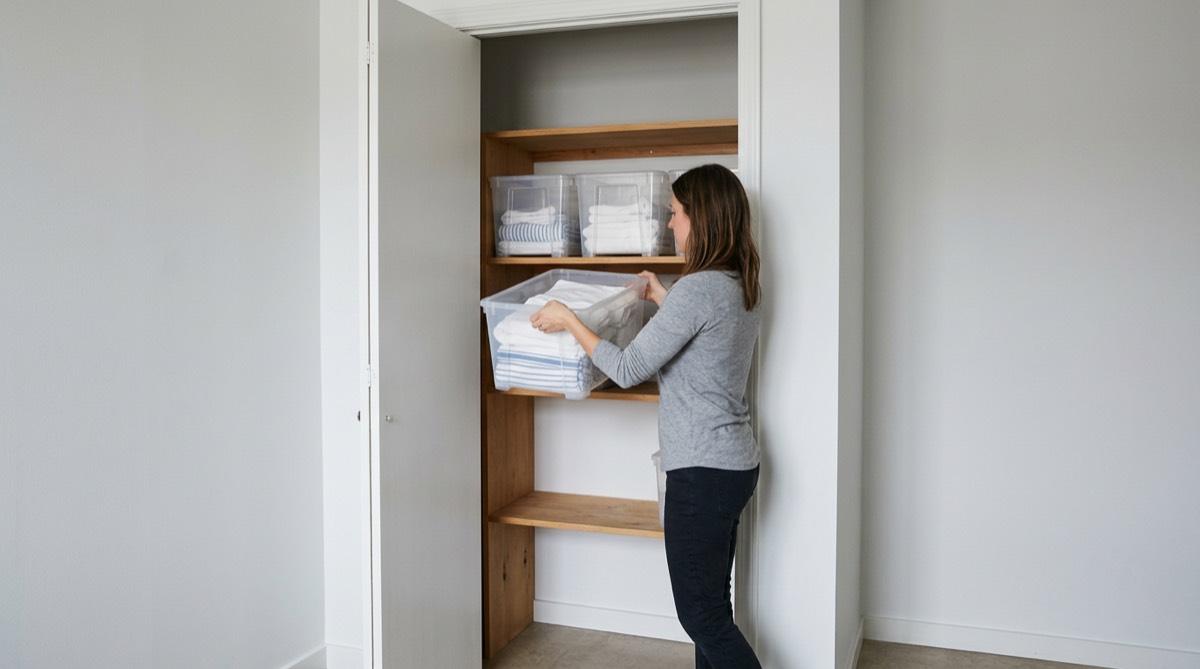
A locked owner's closet is the simplest way to keep personal items private, and it only takes one closet you can spare. Choose one away from the bedrooms if you can, so guests don't feel they're missing out on storage they need.
Fit a keyed or keypad lock on the door, and add shelves up to the ceiling so you use the full height. Clear plastic bins with labels make it easy to find what you need on your next visit and easy to check that nothing is missing.
Cleaning and garden products need extra care. The EPA advises that you keep pesticides in a locked cabinet in a well-ventilated area, and always in their original containers with the label. Keep those on a separate high shelf, away from linens and food.
Write an inventory of the closet and keep a copy on your phone. When you arrive for your own stay, you'll know straight away whether anything needs replacing.
Step 5 - Check Whether the Attic Can Work as Storage
An attic can add a lot of owner-only storage, but only if the space itself is suitable, and that depends entirely on your property. Before you plan to use it, have a qualified contractor inspect it or ask a structural engineer.
Ask the contractor to check these points for your attic:
- Whether the floor can carry stored weight or was only built to hold insulation
- Where it's safe to step and where boards can go
- How hot and damp the space gets through the year
- Whether the ventilation suits the items you want to store
Heat and moisture rule out things like candles, paint, photos and electronics. Seasonal decor, plastic bins of spare bedding and holiday items are usually better candidates.
If the contractor says the space isn't suitable, look at other options such as a lockable garage cabinet or an outdoor storage shed. It's better to know now than after you've carried everything up.
Step 6 - Plan Attic Access That Stays Owner-Only
Once you know the attic can be used, plan access that's practical for you and closed to guests. You'll be carrying boxes up and down a few times a year, often by yourself, so the access needs to feel safe and steady.
The hatch location matters. If it opens into a guest bedroom or hallway, think about whether you can keep it secured between your visits, or whether a hatch inside the owner's closet would work better.
Compare attic ladders and stairs from Inventive Garage against your ceiling height and hatch opening, and look at models with insulated doors and weather sealing if the hatch opens into a heated or cooled room. Have your contractor confirm the size and weight rating suit your opening before anything is ordered.
Keep the pole or handle that opens the hatch in your locked closet, not next to it. That way, the attic stays closed to guests even if the hatch itself is in a shared space.
Walk the House With a Guest's Eyes Before Next Season
You can start today with a floor plan, a pencil and a walk through the house. Mark each room as guest or owner space, count your beds and your seats, and note anything in the guest areas that could tip.
Then book the contractor visit for the attic and pick the closet you'll lock. With those two decisions made, the rest of the plan falls into place one room at a time.
Frequently Asked Questions
How many seats should a vacation home living room have?
Aim for one comfortable seat per person the house sleeps, not counting dining chairs. Count every bed, then compare that number with the seats in the living room.
Where should owners store personal items in a vacation rental?
A locked owner's closet away from the bedrooms is the simplest option, fitted with shelves and labeled bins. Garage cabinets, a storage shed or a suitable attic can add more space.
Can I use my vacation home's attic for storage?
It depends on the property, so have a qualified contractor or structural engineer check the attic floor and ventilation first. If it's suitable, plan access that stays closed to guests between your visits.
Additional Find Rentals Articles

 BOOK DIRECT
 Connect with a Manager