Exploring the Wild Side of Anastasia Island

Where the Atlantic Meets the Marsh: Exploring the Wild Side of Anastasia Island
Just across the Bridge of Lions from historic St. Augustine, Florida, a different world awaits. Here, the Atlantic Ocean rolls onto miles of sandy shoreline, salt marshes stretch toward the Matanzas River, and ancient coastal dunes shelter some of Florida's most remarkable wildlife. Welcome to Anastasia Island, a barrier island where natural beauty, outdoor adventure, and centuries of coastal history come together.
While St. Augustine Beach is celebrated for its beautiful Atlantic shoreline and relaxed beach-town atmosphere, there is another side of Anastasia Island waiting to be discovered. Beyond the oceanfront restaurants, beach houses, and popular attractions, you can paddle through tidal estuaries, wander beneath maritime forest canopies, observe coastal birds, and explore landscapes that have shaped this stretch of Northeast Florida for generations.
Whether you're planning a family vacation, a romantic coastal getaway, or an outdoor adventure, discovering the wild side of Anastasia Island offers a deeper connection to the natural wonders of Florida's Historic Coast.
Anastasia Island: A Barrier Island Between Two Worlds
Stretching approximately 14 miles along Florida's northeastern coastline, Anastasia Island is bordered by the Atlantic Ocean to the east and the Matanzas River and surrounding waterways to the west. These contrasting environments create a remarkable collection of coastal habitats, including sandy beaches, tidal salt marshes, maritime hammocks, dunes, and estuaries.
On the ocean side, waves, wind, and shifting sands continuously reshape the shoreline. On the western side, quieter tidal waters nourish marsh grasses, shellfish, fish, and countless other organisms that support the coastal food web.
One of the most fascinating things about Anastasia Island is how quickly the scenery changes. You can begin your morning watching the sunrise over the Atlantic, spend the afternoon kayaking through sheltered waterways, and finish your day watching birds settle into the marsh as the sun sinks toward the mainland.
Anastasia State Park: The Island's Natural Crown Jewel
At the northern end of the island, Anastasia State Park protects more than 1,600 acres of beaches, tidal marshes, maritime hammocks, and ancient sand dunes. It is one of the best places near St. Augustine Beach to experience the island's natural environment.
Unlike heavily developed stretches of coastline, the park offers a landscape where wildlife and natural habitats take center stage. More than four miles of sandy shoreline provide opportunities for beachcombing, swimming, surfing, photography, and peaceful walks beside the Atlantic.
Arrive early and you'll discover an entirely different atmosphere from the busier beaches farther south. Shorebirds search the wet sand for food, waves leave delicate patterns along the shoreline, and the morning light illuminates dunes covered in native vegetation.
The park is also an excellent starting point for kayaking, hiking, birdwatching, and learning about the coastal ecosystems that make Anastasia Island special.
Salt Run: Paddle Through a Living Coastal Estuary
One of Anastasia Island's most rewarding outdoor experiences is exploring Salt Run, the tidal waterway along the western side of Anastasia State Park.
Salt Run is an estuarine environment where tides influence the movement of saltwater, nutrients, and marine life. Its protected waters offer an intimate view of coastal Florida that you simply cannot experience from the beach.
Rent a kayak, canoe, or paddleboard and glide past marsh grasses while watching for fish, crabs, wading birds, and other wildlife. Depending on the season and conditions, you may also encounter dolphins or manatees in the surrounding waters.
The surrounding scenery is equally memorable. From the water, you can admire coastal dunes, observe the edges of the maritime forest, and catch views of the St. Augustine Lighthouse rising above the island.
For a quieter experience, consider paddling earlier in the day when winds may be lighter. Always check tides, currents, and weather conditions before heading out, particularly if you're unfamiliar with coastal paddling.
The Secret Life of the Salt Marsh
At first glance, a salt marsh might appear to be little more than a broad expanse of grasses and shallow water. Look closer, however, and you'll discover one of the most productive and important ecosystems along Florida's coast.
The marshes surrounding Anastasia Island serve as nurseries for young fish, crabs, shrimp, and other marine organisms. Their vegetation helps stabilize shorelines, while the wetlands filter water and provide food and shelter for birds and other wildlife.
As the tide rises, water flows into small channels and across marsh surfaces. When the tide falls, exposed mud and shallow pools attract feeding birds searching for small fish and invertebrates.
This daily transformation makes the marsh an especially fascinating place to observe nature. Visit the same location at different tidal stages and you may discover entirely different wildlife activity.
For photographers and birdwatchers, the edges of Salt Run and other accessible estuarine areas offer opportunities to appreciate these habitats without disturbing them.
Ancient Dunes and Maritime Forests: Hiking Through Old Florida
Not all of Anastasia Island's natural beauty lies along the water. Inland from the beaches, ancient sand dunes and maritime forests preserve another side of the island's ecological history.
At Anastasia State Park, the Ancient Dunes Nature Trail winds through a maritime hammock, a coastal forest adapted to sandy soils, salt exposure, and changing weather conditions.
Here, the sound of crashing waves gives way to rustling leaves and birdsong. Trees provide shade, while the sandy terrain reveals the remnants of dunes formed long before today's beachfront communities existed.
The trail offers a refreshing contrast to the open beach, especially on warmer days. Look for native vegetation, woodland birds, and the subtle changes in elevation that reveal the island's older coastal landscape.
You can also explore the park's Marsh Trail near Salt Run for a closer look at the transition between forest and tidal wetlands.
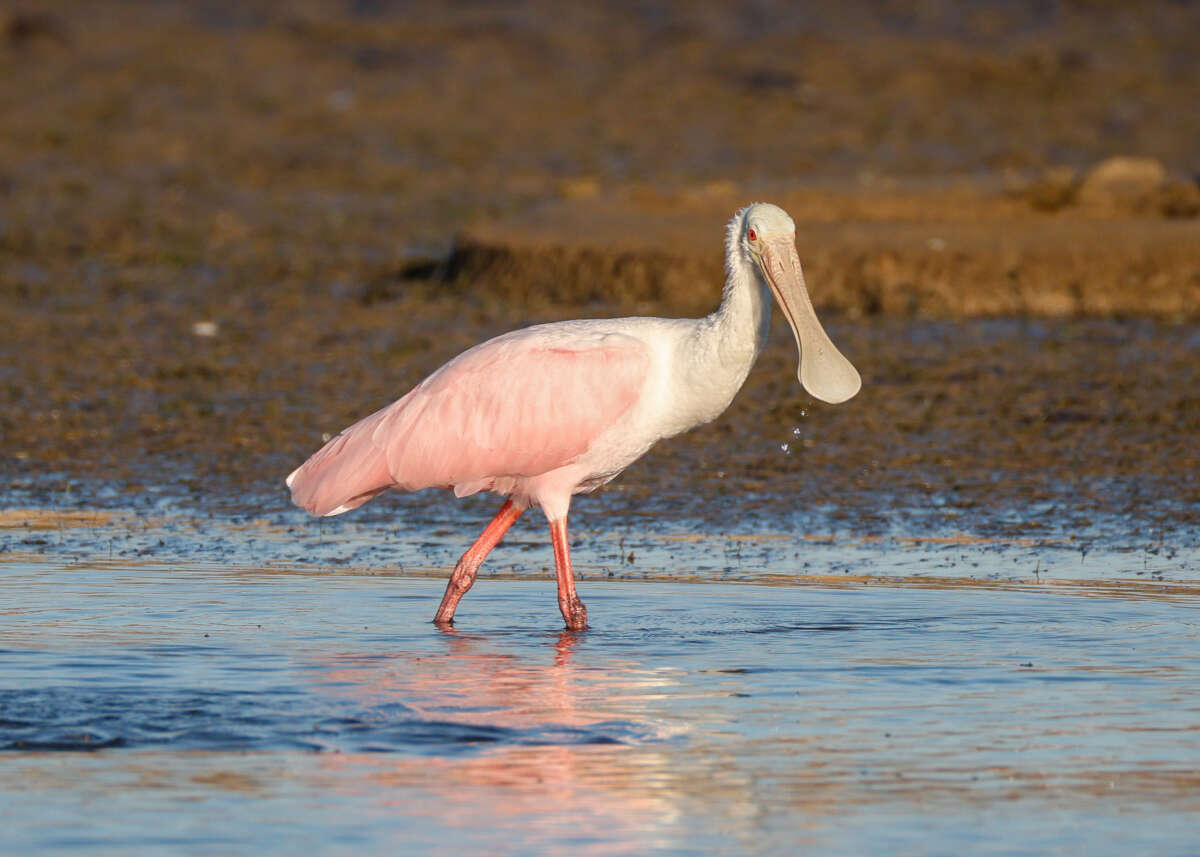
Wildlife Watching on Anastasia Island: From Dolphins to Roseate Spoonbills
Anastasia Island is an exceptional destination for wildlife enthusiasts because its different habitats attract a wide variety of species.
Coastal Birds and Wading Birds
Along the beaches and tidal flats, watch for pelicans, gulls, terns, sandpipers, and other shorebirds. In marshy areas, herons and egrets patiently hunt for fish, while ospreys patrol the waterways from above.
One particularly memorable sight is the roseate spoonbill, a pink wading bird with a distinctive spoon-shaped bill. These birds can sometimes be spotted feeding in the shallow waters around Salt Run.
Dolphins and Marine Life
Bottlenose dolphins inhabit the coastal waters around St. Augustine and may be spotted in the ocean, inlets, and estuarine waterways. Watch from a respectful distance, especially around tidal channels where fish move with the current.
Fish, rays, crabs, and other marine organisms also inhabit the area's shallow waters. Their presence supports the rich coastal food web that makes these environments so important.
The Endangered Anastasia Island Beach Mouse
One of the island's most unusual residents is the endangered Anastasia Island beach mouse, a small native mammal that lives among the coastal dunes.
Although you're unlikely to see one during a daytime visit, these mice play a role in the dune ecosystem through their feeding and seed-related activities. Their survival depends on the preservation of healthy coastal habitats.
Stay on designated walkways and avoid entering protected dunes. Even small disturbances can damage the fragile vegetation and habitat that these animals depend upon.
Sea Turtle Nesting Season: A Special Time on Florida's Coast
Each year, Anastasia Island's Atlantic beaches become important nesting grounds for sea turtles. The local nesting season runs from May 1 through October 31, when nesting females and emerging hatchlings require special protection.
Loggerhead sea turtles are the most commonly encountered nesting species along this part of Florida's coast, although other sea turtle species may also occur.
If you're visiting during nesting season, you may notice marked nesting areas and conservation signs along the beach. These protections help ensure that turtles can nest successfully and that hatchlings have a safer journey toward the ocean.
You can help by keeping the beach free of litter, removing chairs and equipment before nightfall, avoiding artificial lighting, and never approaching or disturbing nesting turtles or hatchlings.
Protecting the island's sea turtles is an important part of preserving the natural character that makes St. Augustine Beach and Anastasia Island so special.
Matanzas Inlet: Where the Island Meets the Open Sea
Travel south along scenic A1A and you'll eventually reach Matanzas Inlet, one of the most dramatic natural landscapes in the St. Augustine Beach area.
At the southern end of Anastasia Island, the Atlantic Ocean connects with the Matanzas River through a shifting tidal inlet. Here, broad beaches, tidal currents, salt marshes, and coastal forests create a constantly changing landscape.
Matanzas Inlet is especially appealing if you enjoy coastal photography, birdwatching, beachcombing, or simply discovering a quieter stretch of Florida shoreline.
The scenery changes with the tides, and the contrast between the ocean and the protected inland waterways provides a striking example of how barrier island ecosystems function.
Be particularly cautious around the inlet's water, where strong currents and rapidly changing conditions can make swimming dangerous. The safest way to appreciate the inlet is from established shoreline access points and designated observation areas.
Fort Matanzas: Where Coastal Nature Meets Colonial History
Near the island's southern end, Fort Matanzas National Monument offers an opportunity to experience both natural Florida and the region's colonial history.
The historic Spanish watchtower was built in the 18th century to protect the southern water approach to St. Augustine. Today, the surrounding national monument also protects coastal dunes, marshes, and maritime forest.
Explore the nature trails near the visitor center, where shaded paths reveal native vegetation and opportunities for birdwatching. The monument's marsh trail provides another perspective on the estuarine habitats that support the Matanzas River ecosystem.
When ferry service is operating, you may also have an opportunity to visit the historic fort itself. Check the National Park Service website for current ferry schedules, operating conditions, and access information before your trip.
The Coquina Connection: How Anastasia Island Helped Build St. Augustine
One of the most surprising stories hidden within Anastasia Island's landscape involves coquina, a natural sedimentary rock formed from compacted shells and shell fragments.
Centuries ago, Spanish builders quarried coquina from Anastasia Island to construct the Castillo de San Marcos, the remarkable stone fortress overlooking Matanzas Bay in historic St. Augustine.
Coquina's unusual properties helped shape the region's architecture and military history. Rather than behaving like hard, brittle stone, its porous composition could absorb some of the force of cannon fire.
Today, you can learn about this connection at the historic coquina quarry area near the entrance to Anastasia State Park.
It's a fascinating reminder that the island's natural geology helped shape the history of America's oldest continuously occupied European-established city.
St. Augustine Beach and the Island's Quieter Coastal Communities
While Anastasia State Park and Matanzas Inlet offer immersive natural experiences, the communities between them provide their own distinctive coastal atmosphere.
St. Augustine Beach
St. Augustine Beach offers a lively yet relaxed oceanfront setting with broad sandy beaches, restaurants, cafés, and convenient beach access. The St. Johns County Ocean and Fishing Pier area is a popular gathering place, and the surrounding shoreline is ideal for sunrise walks and relaxing beach days.
Butler Beach
Farther south, Butler Beach offers a quieter coastal atmosphere with easy access to the Atlantic. The community also has an important place in local history through Frank B. Butler, who helped establish beach access and recreation opportunities for African American families during segregation.
Crescent Beach
Known for its broad shoreline and relaxed residential character, Crescent Beach is an appealing destination for long walks, beachcombing, and enjoying the natural rhythm of the Atlantic coast.
Each of these communities offers a different way to experience Anastasia Island, making it easy to combine outdoor adventure with a comfortable coastal vacation.
Best Times to Explore Anastasia Island's Natural Wonders
Anastasia Island is a year-round destination, but the experience changes with the seasons.
- Spring: Pleasant weather, active birdlife, and comfortable conditions for hiking, kayaking, and beach exploration.
- Summer: Warm ocean temperatures, long beach days, and opportunities to learn about sea turtle nesting. Plan outdoor activities early to avoid the strongest afternoon heat.
- Fall: Often a wonderful season for coastal walks, wildlife photography, and exploring the island's quieter natural areas.
- Winter: Cooler temperatures make hiking and birdwatching especially enjoyable, and the beaches can feel wonderfully peaceful.
For wildlife photography, early morning and late afternoon often provide beautiful light. If you're exploring marshes and tidal flats, checking the tide schedule can also help you plan your visit.
How to Experience the Wild Side of Anastasia Island Responsibly
The island's natural environments are beautiful, but they are also fragile. A few simple choices can help protect them for future generations.
- Use designated beach access points and dune walkovers.
- Never enter protected dune habitats or marked conservation areas.
- Observe dolphins, birds, and other wildlife from a respectful distance.
- Keep beaches clean and remove all personal belongings at the end of your visit.
- Follow sea turtle nesting season lighting and beach protection rules.
- Check tides, currents, weather, and local safety notices before kayaking or paddleboarding.
- Follow the specific regulations of each beach, state park, or national monument.
Small actions make a meaningful difference in protecting the coastal landscapes that make Anastasia Island such a rewarding place to explore.
Where to Stay: Make Anastasia Island Your Coastal Home Base
One of the best ways to experience Anastasia Island is to stay nearby and explore at your own pace. Instead of trying to squeeze everything into a single beach day, a vacation rental gives you the flexibility to enjoy the ocean, marshes, and historic attractions over several days.
Choose from beach houses, oceanfront condominiums, family-friendly vacation homes, and other accommodations in St. Augustine Beach and the surrounding coastal communities.
Imagine beginning your morning with coffee overlooking the Atlantic, spending the afternoon kayaking through Salt Run, and returning to your rental after a scenic drive along A1A.
With a professionally managed vacation rental, you can enjoy the convenience of a home away from home while benefiting from local knowledge about beaches, attractions, restaurants, and outdoor activities.
Explore vacation rental accommodations through Find Rentals and connect directly with professional vacation rental manager. Booking direct can help you avoid unnecessary third-party booking fees while receiving personalized service and local expertise.
Discover a Different Side of Florida's Historic Coast
Anastasia Island is much more than a beautiful beach destination. It's a living coastal landscape where Atlantic waves shape ancient dunes, tidal waters nourish sprawling marshes, and wildlife thrives between ocean and estuary.
From kayaking Salt Run and hiking through maritime forests to exploring Matanzas Inlet and discovering the island's coquina history, every experience reveals another layer of this remarkable barrier island.
On your next St. Augustine Beach vacation, venture beyond the familiar shoreline. Follow the trails, explore the tidal waters, watch the birds, and discover the wild side of Anastasia Island, where Florida's natural beauty and coastal history are never far apart.
Additional Find Rentals Articles

 BOOK DIRECT
 Connect with a Manager