
 Connect with a Manager
by Daniela McVicker
First Apartment Abroad for English Teaches
Moving abroad is an adventure and an opportunity to discover new cultures and experiences. Read on for everything to know about getting your…
 BOOK DIRECT
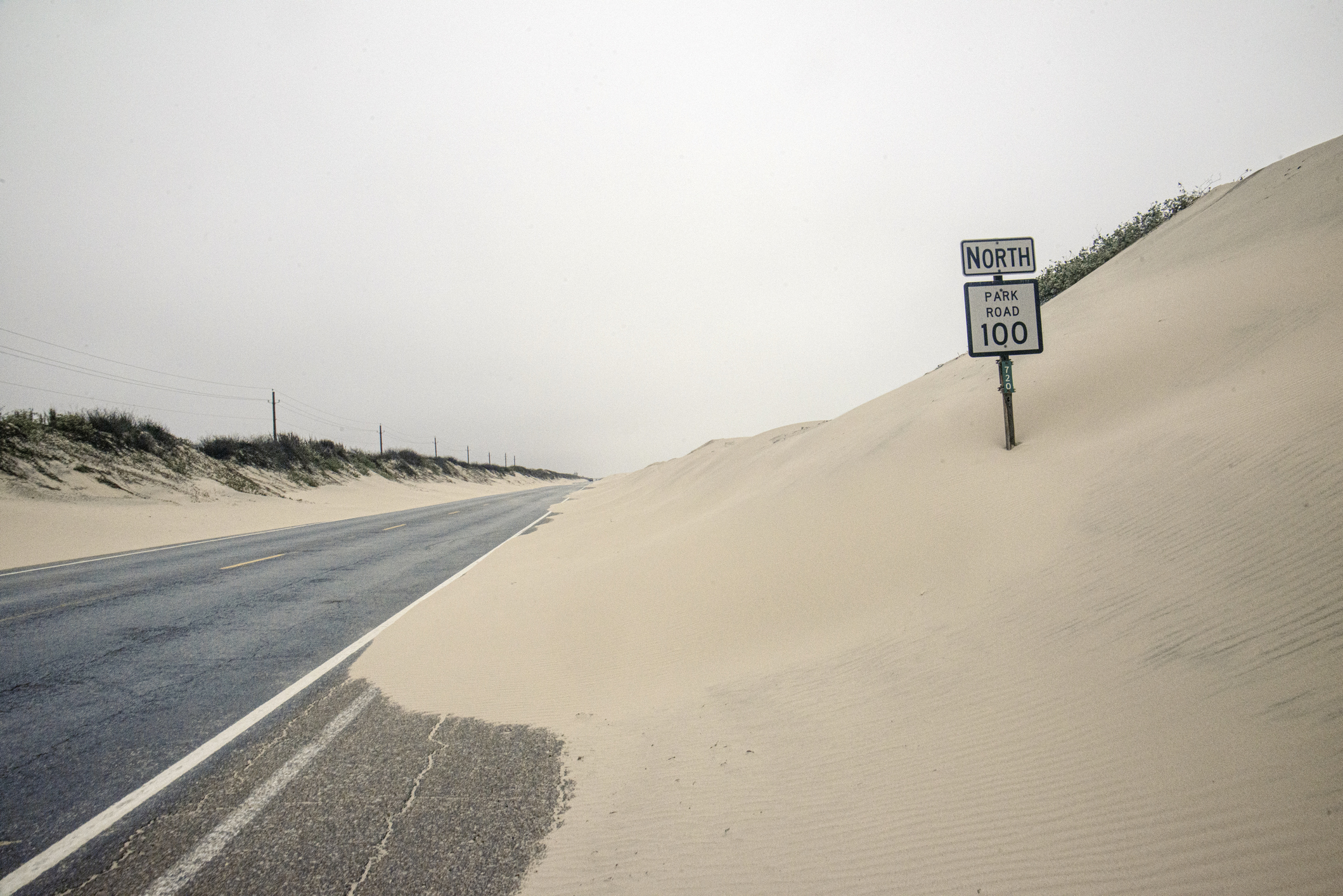
Travel north beyond the hotels, restaurants and developed areas of South Padre Island and the character of the island begins to change dramatically. Buildings become fewer, traffic thins out and the landscape opens into a long stretch of Gulf shoreline, coastal dunes, native grasses and undeveloped barrier island.
The northern beaches of South Padre Island provide one of the best places to experience the island in a more natural setting. This part of the coast is popular for beach driving, fishing, photography, birdwatching, shell collecting, sunrise walks and simply exploring miles of open shoreline along the Gulf of Mexico.
For visitors who have only experienced the developed portion of South Padre Island around Padre Boulevard, a trip north offers a completely different perspective. It is a reminder that South Padre is part of a much larger barrier island ecosystem shaped continuously by wind, waves, tides and shifting sand.
Padre Boulevard travels north through the developed portion of South Padre Island before reaching areas where commercial development gives way to coastal vegetation and open land.
As you continue north, public beach access points provide routes toward the Gulf. Beyond the more developed accesses, the beaches become increasingly open and remote, with long views in both directions and impressive dune formations rising behind portions of the shoreline.
This is one of the best areas on South Padre Island for travelers who enjoy coastal scenery without the concentration of hotels, beach bars and beachfront buildings found farther south.
The dunes are an essential part of South Padre Island's natural landscape. These ridges of windblown sand help protect the barrier island from storms, high tides and Gulf waves while also supporting native coastal plants and wildlife.
Some dunes are relatively low and covered with grasses, while others form larger rolling sand formations that give the northern end of the island a surprisingly wild appearance.
Visitors should avoid walking or driving directly across protected dunes unless a designated access route specifically allows it. Dune vegetation helps hold sand in place, and repeated foot or vehicle traffic can damage plants and accelerate erosion.
Photographers will find excellent opportunities here, particularly in the early morning and late afternoon when angled sunlight creates shadows across the ridges and highlights the textures of the sand.
The beaches north of the main resort area are generally wider, quieter and less developed than many of the beaches closer to town.
Visitors come here to walk along the Gulf, search for shells, fish from the surf, watch birds, photograph the dunes or find a quieter place to spend time near the water.
Because amenities become limited as you travel farther north, visitors should bring everything they may need for the day, including drinking water, sunscreen, food, shade and basic beach supplies.
Several public beach access areas provide entry to the Gulf beaches north of South Padre Island's developed center. Some have parking and more established access routes, while others are more basic.
Beach Access 5 and Beach Access 6 are commonly used by visitors heading toward the northern stretches of shoreline. These access points can serve as starting areas for beach driving, fishing and exploring portions of the island beyond the primary hotel district.
Conditions and access rules can change due to weather, tides, erosion, maintenance or seasonal restrictions, so visitors should review current local information before driving onto the beach.
One of the most distinctive experiences on the northern end of South Padre Island is driving along sections of Gulf beach where vehicle access is permitted.
The experience changes quickly as you travel away from the developed area. Firm sand near established access points can eventually give way to softer sand, ruts and more challenging driving conditions.
Four wheel drive is strongly recommended when exploring more remote areas. Drivers should understand the capabilities of their vehicle and avoid entering deep, loose sand without proper equipment and experience.
Never drive through dunes or protected vegetation. Vehicles should