Nature-Focused Communities
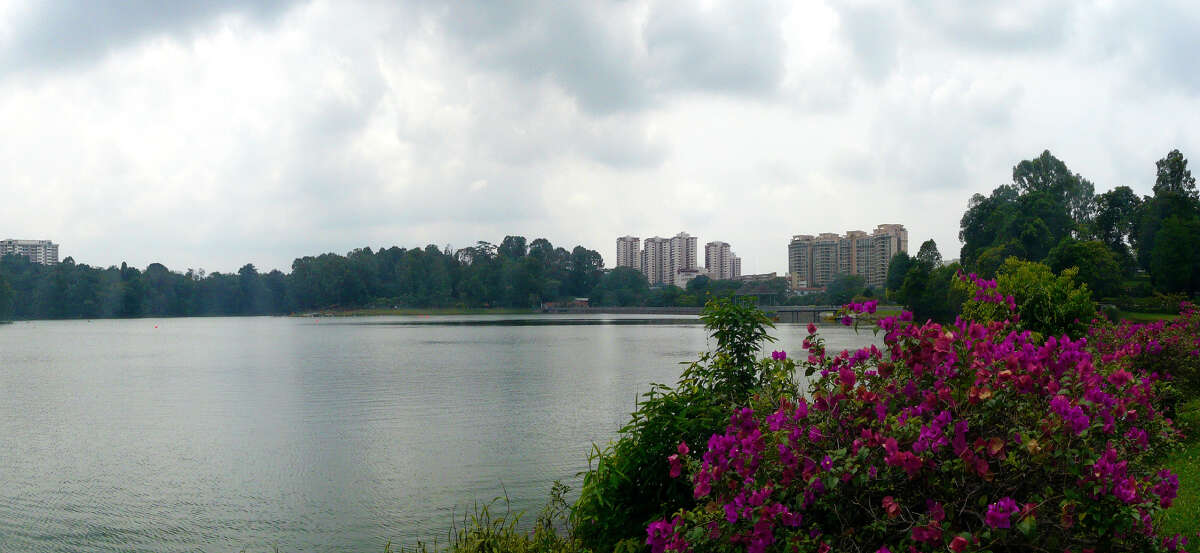
How Nature-Focused Communities Support Better Long-Term Living
Nature-focused communities can shape daily habits, health choices, and social bonds across many years. Homes near trees, trails, and water offer regular contact with calming surroundings. Shared gardens, walking routes, and gathering spaces create reasons for neighbours to meet. These features support movement, rest, friendship, and cooperation. These benefits can make long-term living healthier, steadier, and more satisfying for households of different ages through every stage of life and changing family needs alike.
Greenery Beyond Appearance
For property seekers, developments like Thomson Reserve illustrate the importance of greenery beyond visual appeal. A leafy setting can encourage morning walks, quieter evenings, and informal conversations near shared facilities. Access to parks may also reduce reliance on cars for short trips, helping residents build active routines. These choices become valuable over time, especially for families seeking comfort, convenience, and a stronger connection.
Everyday Physical Activity
Residents can walk their children to play areas, take the stairs, or use shaded paths after work. Gentle repetition is important because frequent small efforts often lead to longer-lasting habits. Older adults may gain confidence from level routes, benches, and nearby seating. Younger households benefit from outdoor play that limits indoor time.
Social Connection
Shared green places can improve social connection by creating low-pressure meeting points. A resident may greet others beside a garden or join a weekend planting session. These brief encounters build trust naturally. Regular contact also helps newcomers feel accepted without demanding constant participation.
Calmer Home Routines
Nature-rich planning can contribute to calmer indoor routines. Trees soften traffic noise, vegetation filters views, and open skies provide visual relief after demanding tasks. Residents may sleep better when evenings feel quieter and less crowded. Families can use balconies, courtyards, or nearby lawns for reading and conversation. These simple settings support recovery without requiring elaborate leisure plans or costly travel.
Practical Environmental Learning
A healthy setting can also strengthen environmental awareness. Community gardens show how food grows, while compost areas make waste choices visible. Children learn care through small duties, such as watering plants or protecting insects. Adults may adopt similar habits at home. Shared examples make conservation practical, local, and easier to maintain. Residents then pass these attitudes across households and generations.
Access for Everyone
Good community planning considers access for different abilities and life stages. Smooth paths assist wheelchair users, parents using prams, and people recovering from injuries. Clear lighting helps evening walkers feel secure, while resting points provide support during slower journeys. Playgrounds can welcome children with varied needs.
Nearby Daily Services
Shops, schools, clinics, transit links, and recreation areas reduce travel burdens for everyday needs. Shorter journeys leave more time for family, rest, and community involvement. Well-placed amenities can help households remain in the area as circumstances change. That continuity protects relationships, familiar routines, and local knowledge over many years for everyone.
Manageable Financial Choices
Long-term living requires manageable costs. Energy-efficient buildings may reduce energy use, while durable materials can reduce the need for frequent repairs. Shared facilities can provide recreation without membership fees. Buyers and renters benefit from checking maintenance charges, transport expenses, and likely utility bills. Clear budgeting helps a pleasant address remain practical as household priorities change over time.
Community Stewardship
Resident groups can report damaged paths, suggest planting choices, and coordinate clean-up days. Property managers can publish schedules for maintenance, events, and shared-space use. Open communication reduces confusion and encourages responsible care. When participation remains easy, residents are more likely to protect facilities and welcome new ideas through regular local involvement each year.
Balanced Planning
The strongest outcomes arise when nature, services, and people support one another. A tree-lined route has more significance when it connects homes with shops, schools, or transit. A garden becomes more useful when neighbours share maintenance responsibilities and produce. Practical design therefore links beauty with function. This balance helps communities remain pleasant, active, and adaptable through changing personal circumstances over time.
Conclusion
Nature-focused communities can support movement, friendship, calm routines, practical learning, and access to daily services. Their value increases when planning includes different abilities, sensible costs, reliable care, and resident participation. For households considering a long-term home, these qualities warrant close attention. A healthy setting can help ordinary days feel easier, richer, and more connected across the years. It can serve children, adults, older neighbours, and future household needs alike.
Additional Find Rentals Articles

 BOOK DIRECT
 Connect with a Manager