
 Connect with a Manager
by Anthony Vaarwerk
Find Rentals Travel News Club
Promoting the benefits of book direct, vacation rental managers, local hospitality, and better rates and services at properties safe for you and…
 BOOK DIRECT
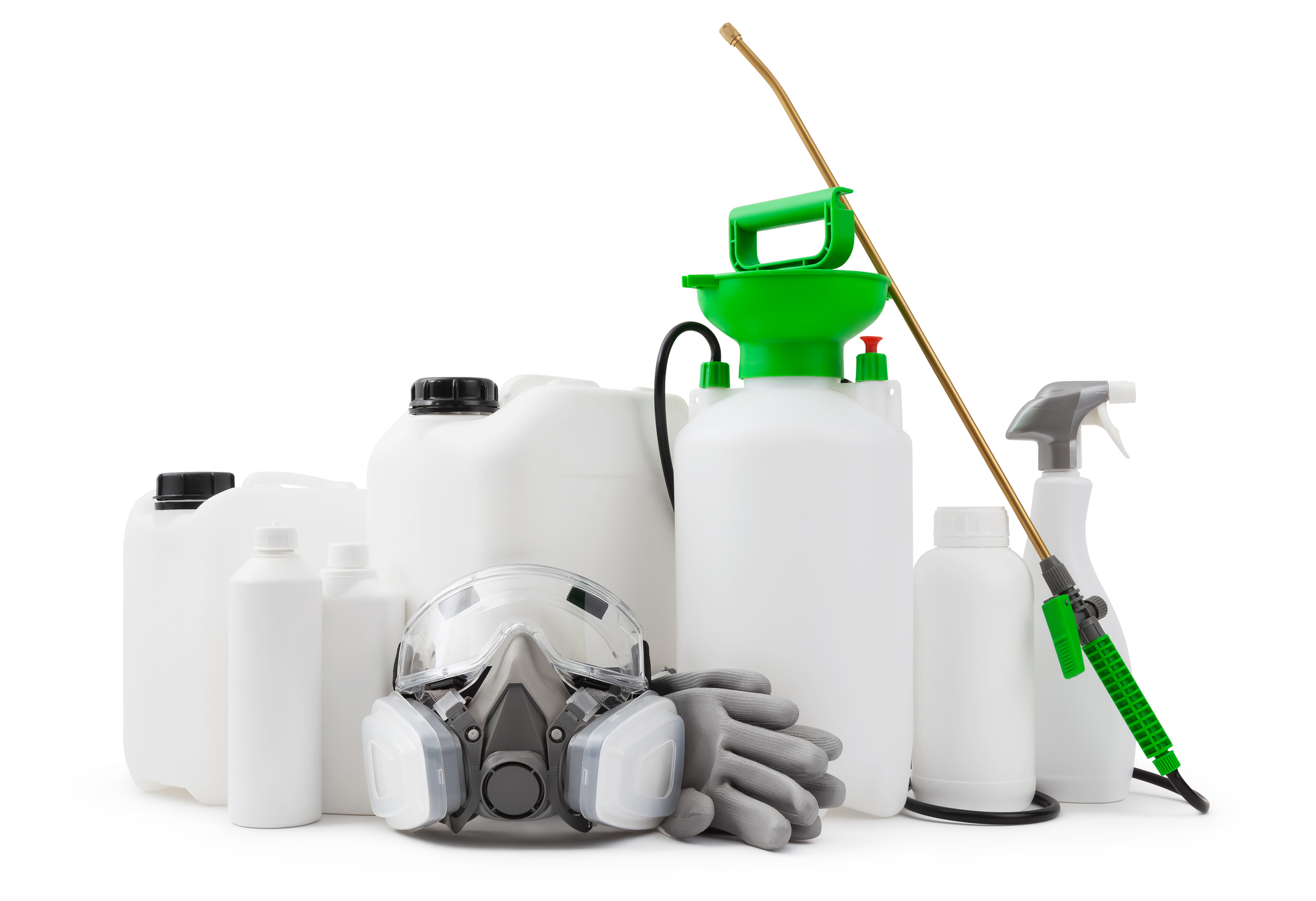
Running a vacation rental means paying attention to details guests may never notice when everything goes right. Fresh linens, working appliances, clean bathrooms, and a tidy kitchen are obvious parts of that job. Pest prevention belongs on the same list.
A vacation rental creates a different maintenance challenge from an ordinary home. New guests arrive regularly. Food comes and goes. Doors stay open while luggage is carried inside. Outdoor spaces get heavy use, and small maintenance problems can sit unnoticed between bookings. A few crumbs beneath an appliance or a slow leak under a sink may not look serious during a quick turnover, but those conditions can become attractive to insects or rodents.
The best approach is to make pest prevention part of routine property care instead of waiting for a guest to report a problem.
Cleaning crews already inspect rooms after each stay, so turnover is one of the easiest times to look for early warning signs. This does not require a full pest inspection after every checkout. A few extra minutes spent checking the right places can reveal changes before the next guest arrives.
Look beneath kitchen sinks, behind trash cans, around pantry shelves, near exterior doors, and along baseboards. Droppings, insect activity, gnaw marks, moisture, damaged screens, or unexplained debris deserve attention. Housekeepers should know how to report anything unusual instead of simply cleaning it away.
If the same signs continue appearing between stays, the problem may require more than another round of housekeeping. Property owners dealing with recurring activity can contact an experienced Atlanta pest control provider to identify what is happening and determine an appropriate response before it affects another reservation.
A sparkling countertop can hide a surprisingly messy kitchen. Crumbs collect beneath refrigerators. Grease settles beside ranges. Toasters hold food particles, and open snacks sometimes get pushed to the back of cabinets when guests leave.
Turnover cleaning should occasionally go beyond visible surfaces. Move small appliances when practical, vacuum beneath furniture, wipe pantry shelves, and clean residue from trash containers. Check outdoor grills too, especially during busy seasons when several groups may use them in the same week.
This matters because cleanliness is tied directly to the guest experience. According to a 2026 Hostaway study, 92% of guests say cleanliness influences their decision to book a property again. A guest who finds ants near the coffee station or droppings inside a cabinet is unlikely to separate a pest issue from the overall cleanliness of the rental.
Leaks have a habit of becoming bigger problems when nobody is watching. Vacation rentals are especially vulnerable because an owner may live hours away and rely on cleaners or property managers to notice changes.
Check beneath sinks, around toilets, behind washing machines, near water heaters, and around refrigerator supply lines. A cabinet that feels damp or smells musty deserves more than a quick wipe. Outdoor faucets, irrigation equipment, gutters, and drainage areas should also be part of regular maintenance.
The objective is not only pest prevention. Finding moisture early may also help prevent damaged cabinets, flooring, drywall, or other repairs that could force a property out of service during a profitable booking period.
Guests need an easy way into a vacation rental. Rodents and insects should not have one.
Exterior gaps can develop around utility lines, doors, vents, screens, foundations, and roof edges. Door sweeps wear down over time. Screens tear. Caulk separates from siding. A repair that takes a few minutes may otherwise remain unnoticed because it does not interfere with a guest's stay.
Inspect the exterior seasonally and after major weather events. Give extra attention to places where pipes, cables, or other utilities enter the building. Repairs should use materials appropriate for the opening and the structure rather than temporary fixes that fail after a few weeks.
Patios, decks, balconies, fire pits, pools, and yards often help sell a vacation rental. They also need their own maintenance routine.
Standing water can collect in planters, toys, buckets, clogged gutters, or covers after rain. Fallen fruit, spilled birdseed, overflowing garbage, and food left around outdoor dining areas can attract unwanted visitors. Dense shrubs or vegetation touching the building can make it harder to inspect the exterior.
Outdoor grills deserve particular attention. Guests may leave grease, scraps, or food residue behind even when the surrounding patio looks clean. A quick exterior check during turnover keeps these spaces inviting for guests without allowing small problems to accumulate.
A checklist makes it easier for cleaners, maintenance teams, and property managers to know who is responsible for what. It also creates consistency when different people handle the property during a busy season.
| Rental Area | Maintenance Check |
|---|---|
| Kitchen | Crumbs, grease, open food, cabinet activity |
| Bathrooms | Leaks, moisture, damaged seals |
| Bedrooms | Bedding, baseboards, unusual stains or pest signs |
| Doors and windows | Screens, sweeps, gaps, damaged seals |
| Utility areas | Moisture, openings around pipes and cables |
| Patio or deck | Food residue, standing water, trash |
| Yard | Overgrowth, debris, drainage problems |
The checklist should stay short enough that people actually use it. If the process becomes a multi-page inspection after every booking, staff will eventually rush through it. Focus on areas where changes are easiest to spot and most useful to report.
Guests should not feel responsible for managing the property's pest prevention program. Still, a few friendly instructions can prevent avoidable problems.
Provide trash cans with secure lids and make disposal instructions clear. If the property has a screen door, a small reminder to keep it closed can be helpful. Pet-friendly rentals can ask guests not to leave pet food outdoors overnight. Properties with grills should provide an obvious place for food waste and basic cleanup supplies.
Keep the tone welcoming. A sign warning visitors about rodents, roaches, and insects will create concern even when there is no active problem. Simple housekeeping instructions accomplish the same goal without making guests wonder what happened during the previous stay.
Pest prevention is easiest when it becomes part of the same routine that keeps the rental clean, functional, and ready for visitors. Turnovers catch early signs. Maintenance teams repair leaks and openings. Outdoor checks remove conditions that can attract pests. Professionals step in when recurring activity needs proper identification or treatment.
None of these steps can guarantee that a vacation rental will never see an insect or rodent. Properties exist in real environments, and occasional pest activity happens. What owners can control is how quickly small warning signs are noticed and addressed.
Guests remember how a property feels when they arrive. A well-maintained rental feels clean, cared for, and ready for their vacation. Keeping pest prevention behind the scenes helps make sure that is exactly what they experience.