
 Connect with a Manager
by Tiffany Wagner
What You Should Do To Improve Your Home Tenfold
If you're planning to sell your home or renovate it under a tight budget, check this article out for some quick tips to raise your home’s value…
 BOOK DIRECT
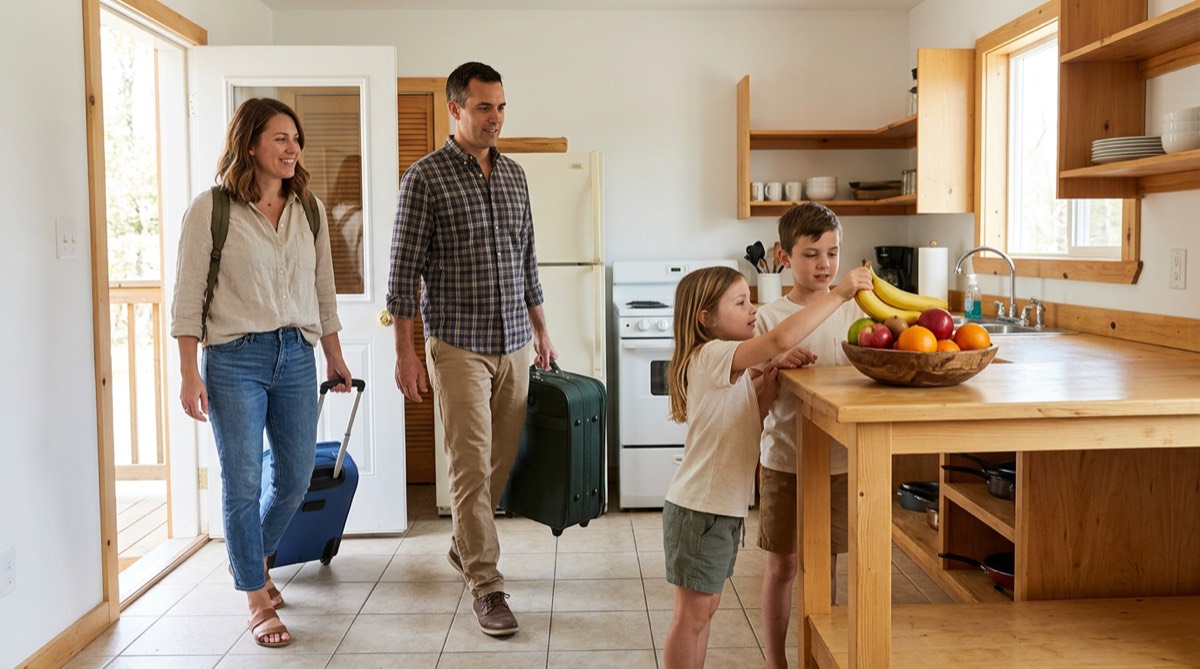
Your guests have been driving for six hours, the kids are hungry and the nearest grocery store closed twenty minutes ago. Whatever you've left on the kitchen counter is about to become the most important part of their arrival.
Welcome refreshments don't have to be elaborate. They have to be useful, suited to the people staying and easy to find. This guide covers how to ask the right questions before arrival, what to stock, how to store it and how to present it so guests feel looked after from the moment they walk in.
The best welcome refreshments start with a short message to your guests a few days before check-in, because you can't choose well without knowing who's coming. A basket of cookies does little for a family with a gluten-free child or a guest who avoids sugar.
Add a few questions to your pre-arrival message:
When a guest says they eat gluten-free, look for packaged items labeled that way. As one of the criteria for that label, the FDA set a limit of less than 20 ppm of gluten in foods that carry it. Keep a note of each guest's answers with their booking so you can check them while you shop.
Good welcome refreshments suit the way your guests are traveling and the time they'll arrive. A late-night arrival after a long drive calls for something different from a midday check-in at a beach house.
Guests arriving after dark mostly want something quick and filling. Crackers, granola bars, fruit and bottled water cover the first evening without anyone needing to cook.
Children are often hungry and tired on arrival, so a few simple snacks they can eat straight away help the whole group settle. Ask parents in advance what their children like and anything they can't have.
For a week-long booking, think less about treats and more about basics. Coffee, tea, milk, a loaf of bread and some butter save guests a trip to the store on the first morning.
Coffee on the first morning is one of the most useful things you can leave, because guests usually haven't had time to shop yet. Even if your rental has a coffee maker, an unfamiliar machine at 7 a.m. isn't everyone's idea of a vacation.
Leave a simple option that works without any setup. If you're stocking canned coffee from Bones Coffee Company, it's ready to drink without prep or brewing gear, so guests can take one from the fridge and head out to the deck. Chill a few cans before check-in, and keep tea and a decaf option alongside for anyone who prefers something else.
Then check what your guests told you in their pre-arrival answers. If someone avoids caffeine or dairy, make sure there's something on the shelf for them too.
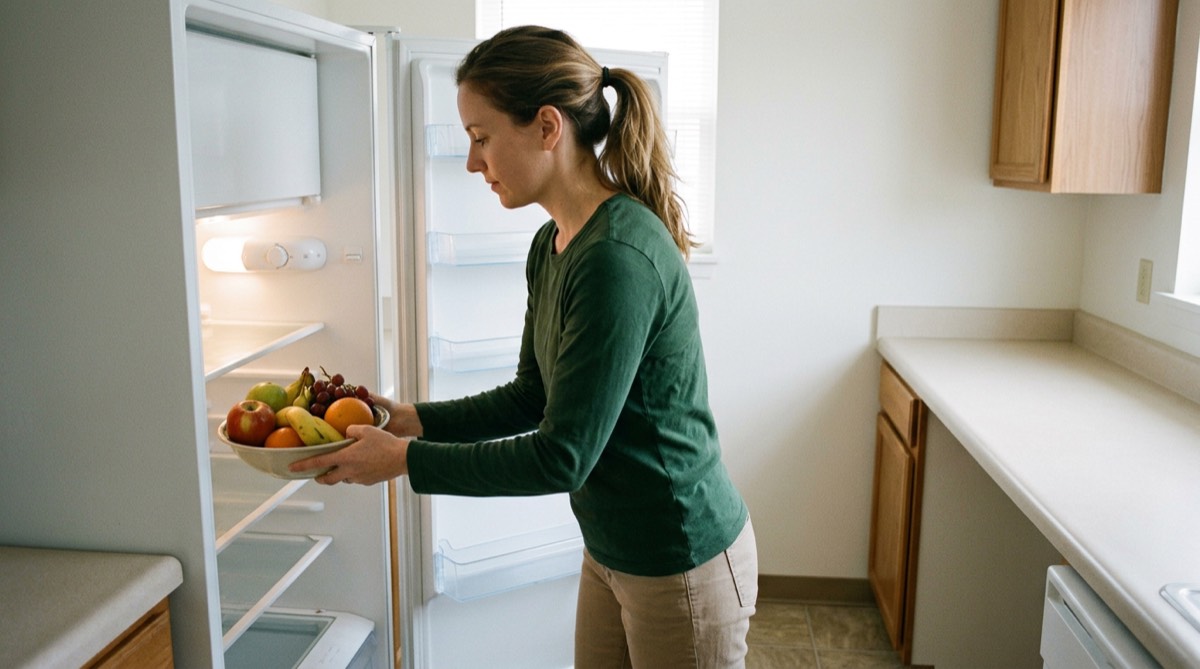
Refreshments only feel welcoming if they're fresh and safe, so plan the storage as carefully as the shopping. Clear a shelf in the fridge and one in the pantry for welcome items, so guests can see straight away what's meant for them.
Check the fridge before every check-in. The FDA advises that you keep the refrigerator at or below 40° F, and an inexpensive appliance thermometer will tell you whether it's holding that temperature between stays. Build these checks into your turnover routine:
Stock only what lasts until the next turnover so you're not throwing food away after every stay.
A ready-made basket is a simple way to welcome guests with dietary needs, because it arrives complete and you don't have to check every item on a store shelf yourself. It also gives the counter a finished look without much effort.
Match the basket to what your guests told you before arrival. With gluten free gift baskets from It's Only Natural Gifts, you can use the "Create Your Own" option to pick snacks, dried fruit and drinks that suit your guests' tastes. Read the item list against their answers before you finalize it, and keep any gluten-free basket away from regular baked goods on the counter.
If a guest has a severe allergy, ask whether they'd rather bring their own food. Some guests prefer to handle that themselves, and asking shows you've taken it seriously.
Presentation decides whether guests notice your refreshments at all, so put everything where they'll see it the moment they walk into the kitchen. A tray or basket on the counter works better than items scattered across cupboards. Group the room-temperature items together on the counter and put a short note on top pointing to the fridge shelf. Write the note by hand and keep it simple: welcome, help yourself, and where to find anything chilled.
If your listing mentions welcome refreshments, keep what you offer consistent across bookings. Guests compare what they find with what they expected from the listing photos and description.
Top Tip: Keep a laminated card on the welcome shelf in the fridge that says "Welcome items, please help yourself." Guests sometimes hesitate to touch food they find in a rental fridge, and a clear card removes the doubt while saving you a message asking whether it's okay to eat.
You can start today by adding dietary needs, coffee preferences and arrival time to your pre-arrival message template. That one change gives you what you need to stock the right things for every booking.
Then clear a welcome shelf in the fridge and the pantry, put a thermometer in the fridge and choose a tray for the counter. Your next guests will walk into a kitchen that's ready for them.
Leave quick, useful items such as water, snacks, coffee and tea, matched to your guests' arrival time and the length of their stay. Ask about dietary needs before arrival so you can stock things everyone can enjoy.
Clear a dedicated welcome shelf in the fridge and the pantry, and keep the fridge at or below 40° F. Check dates and remove anything opened at every turnover.
Ask about it in your pre-arrival message, then look for packaged items labeled gluten-free. Keep those items sealed and separate from regular baked goods.