
 Connect with a Manager
Destin Florida
Gator Beach Alligator Park in Destin Florida
Discover the thrilling adventures at Gator Beach, where encounters with alligators await—your unforgettable wildlife experience is just…
 BOOK DIRECT
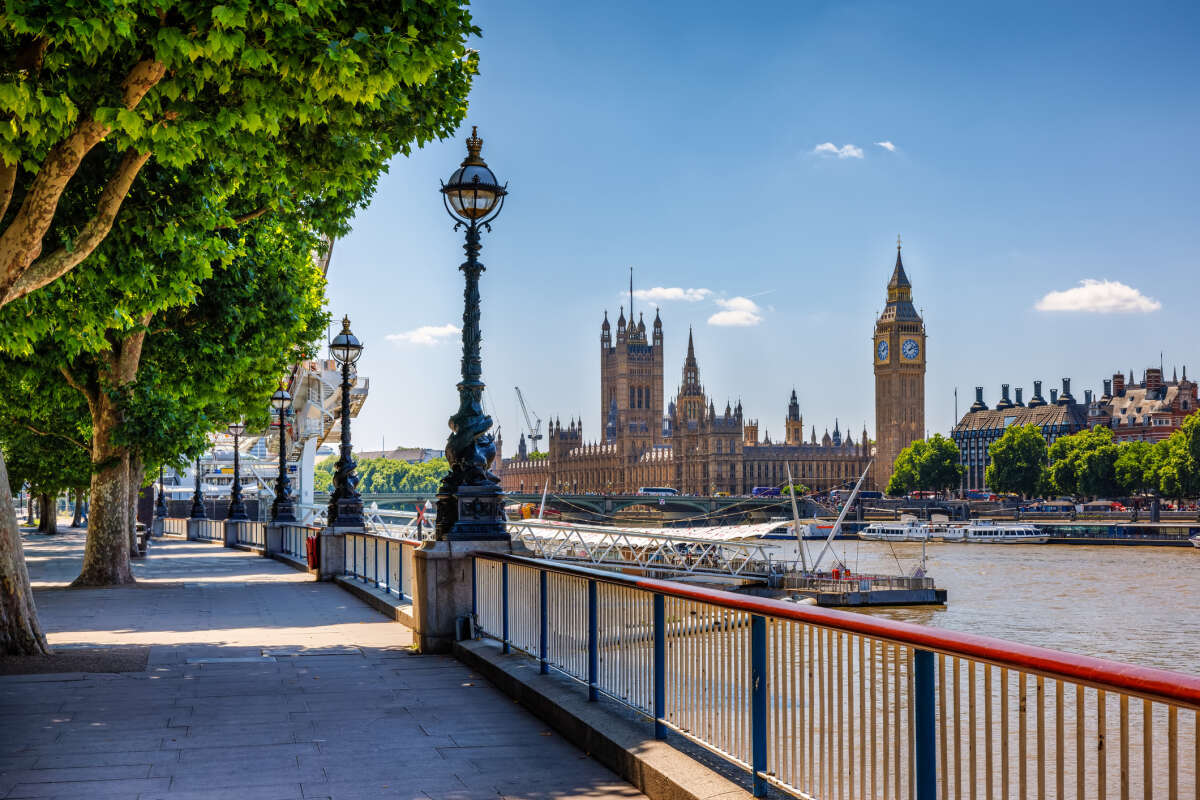
Choosing between Manchester and London can be surprisingly difficult. Both cities offer outstanding museums, lively food scenes, historic architecture, major cultural attractions and excellent transport connections, yet their personalities are distinctly different. London feels vast and constantly in motion, while Manchester has a more compact character shaped by industrial heritage, music, football and a thriving creative scene.
For a short UK break, the right choice depends on what you want from your time away. Families may appreciate Manchester's manageable centre, culture lovers can spend days exploring London's institutions, and food enthusiasts will find plenty to enjoy in both.
Few European cities offer the sheer variety found in London. Royal palaces, historic streets, contemporary galleries, famous theatres and huge parks sit alongside neighbourhoods representing cultures from around the world. A first visit might include Westminster, the South Bank, Covent Garden and the Tower of London. Returning visitors can move beyond the famous sights and discover areas such as Hampstead, Greenwich, Notting Hill or Richmond. The biggest advantage is choice. Whatever your interests, there is likely to be an attraction, neighbourhood or event that fits.
Manchester offers something altogether different. The city centre is considerably easier to navigate than London's sprawling urban landscape, making it appealing for a weekend when you want to spend less time commuting. Its identity is closely connected to the Industrial Revolution, and remnants of that history appear in former warehouses, canals, mills and railway buildings. At the same time, Manchester has developed a strong reputation for music, sport, independent businesses and contemporary culture.
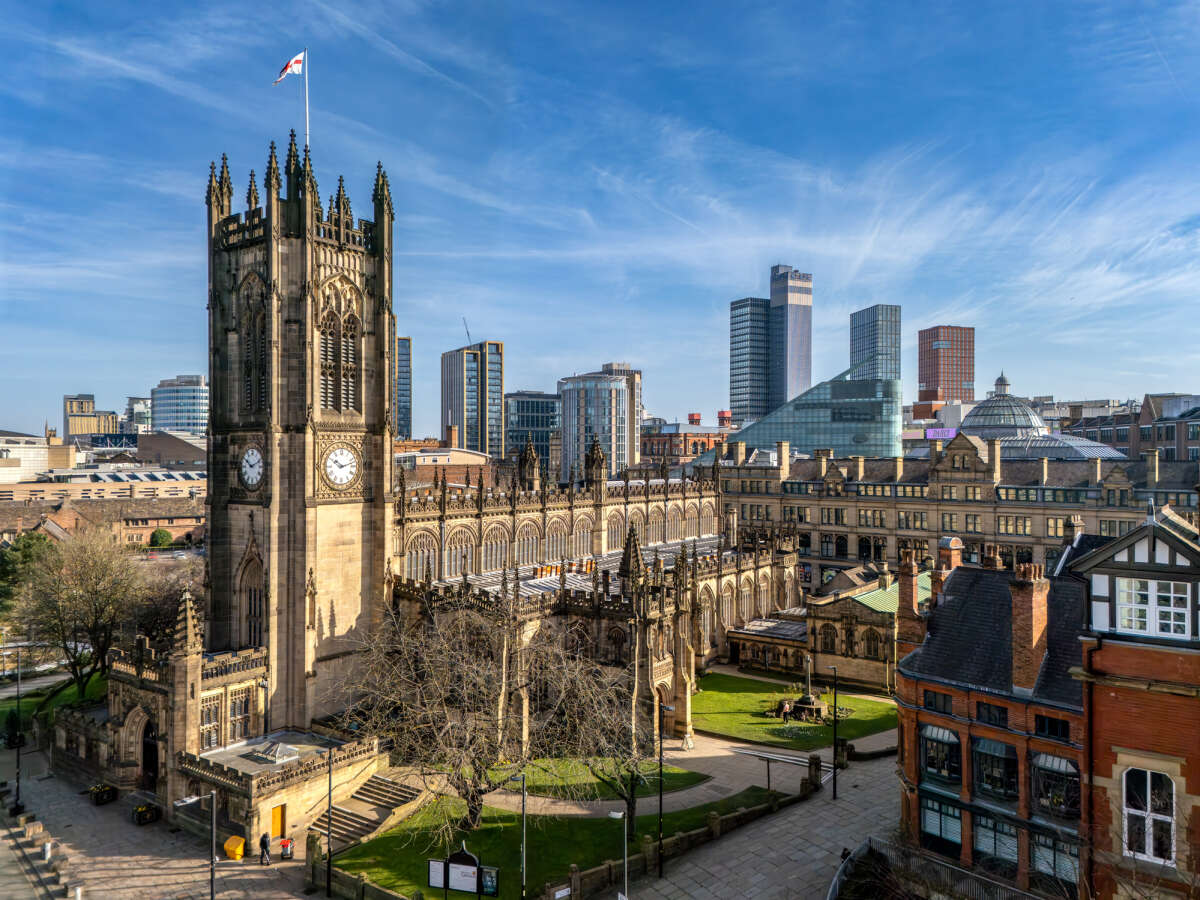
Transport can influence a short city break more than visitors initially expect. London's Underground and extensive bus network make it possible to reach distant attractions quickly, although travelling across the capital can still take considerable time. Manchester's central attractions are more concentrated. Walking is often practical, while trams and buses fill the gaps. For travellers who dislike spending part of every day underground or on public transport, Manchester may have the advantage.
The two cities are also well connected by rail, making it easy to combine them during a longer UK holiday. The Manchester to London train provides a straightforward connection between the northern city and the capital. That makes the decision less permanent than it might seem. Travellers with enough time can experience both rather than choosing one exclusively. For a two-day break, however, staying in one place usually gives you more time to enjoy the destination.
London is difficult to beat for museum choice. The British Museum, Natural History Museum, Science Museum, Victoria and Albert Museum and Tate Modern represent only a fraction of what is available. Manchester's collection is smaller but still impressive. Manchester Museum offers exhibits covering natural history and global cultures, while the Science and Industry Museum explores the city's technological and industrial legacy. The Manchester Art Gallery adds another option for art enthusiasts. For sheer scale and variety, London wins. For a more manageable cultural weekend, Manchester can be easier.
London's architecture spans centuries. Medieval churches, Victorian railway stations, Georgian squares and modern skyscrapers create a constantly changing cityscape. Manchester tells a different story through red-brick warehouses, grand civic buildings, former cotton mills and converted industrial spaces. The contrast is particularly appealing for architecture enthusiasts. London offers breadth, while Manchester's built environment provides a strong sense of industrial identity.
Neither destination should be overlooked by food lovers. London has an extraordinary international dining scene, with everything from Michelin-starred restaurants to street-food markets and inexpensive neighbourhood cafés. Manchester has developed an equally interesting culinary reputation on a smaller scale. The Northern Quarter, Ancoats and other central districts contain restaurants serving cuisines from across the world. For a short visit, Manchester's compact dining scene can make restaurant hopping especially convenient.
Music is one of Manchester's defining cultural strengths. The city has played an influential role in British popular music, with venues and neighbourhoods connected to several important musical movements. Visitors can explore this history through live performances, specialist venues and locations associated with Manchester's musical past. London has a much larger concert and theatre calendar, but Manchester offers a particularly strong sense of local musical identity.
For football supporters, Manchester has an obvious attraction. The city is home to two internationally recognised football clubs, and matchdays can transform its atmosphere. Stadium tours provide an option for visitors travelling outside the football season or without tickets. London also has numerous major clubs and football grounds, so football fans will find plenty to explore there too. The difference is that Manchester's football identity feels particularly woven into the city's image.
London has an enormous range of shopping districts. Oxford Street, Regent Street and Covent Garden provide familiar high-street and international brands, while areas such as Soho, Shoreditch and Camden offer more independent options. Department stores and specialist boutiques add another dimension. If shopping is central to your weekend, London provides greater choice and variety.
Manchester is particularly appealing to travellers who enjoy independent businesses. The Northern Quarter has cafés, vintage shops, record stores, bars and creative spaces packed into a relatively small area. Afflecks remains a colourful destination for independent traders, while Ancoats has developed into one of the city's most popular areas for food and leisure. The atmosphere feels less polished than some parts of central London, but that is part of its appeal.
London's parks are among its greatest assets. Hyde Park, Regent's Park, Greenwich Park and Hampstead Heath provide huge areas for walking and relaxing. Manchester has fewer famous urban parks, but places such as Heaton Park offer substantial green space. The nearby countryside also provides opportunities for walks beyond the city. If you want a city break with major parks woven into the itinerary, London has the stronger selection.
After dark, both cities become even more varied. London offers West End theatre, major concerts, comedy, cocktail bars, historic pubs and countless restaurants. Manchester's nightlife is concentrated around areas including the Northern Quarter, Canal Street and the city centre. Live music remains a major attraction, while bars and restaurants cater to a wide range of tastes. London provides more options, but Manchester can feel easier to navigate during an evening out.
Families can enjoy either destination, although the experience differs. London offers an impressive selection of child-friendly museums, parks, theatres and attractions. The Natural History Museum and Science Museum are particularly strong choices. Manchester's smaller scale can be less tiring for families trying to fit several activities into a weekend. The Science and Industry Museum, football attractions and central parks provide plenty of possibilities. Parents travelling with younger children may appreciate the shorter distances between Manchester's main attractions.
Couples looking for atmosphere can find it in both places. London offers riverside walks, rooftop views, elegant restaurants, theatre evenings and historic neighbourhoods. Manchester provides intimate restaurants, independent cafés, music venues and atmospheric converted buildings. The best choice depends on whether you prefer a grand metropolitan setting or something more relaxed and compact.
Neither city is particularly inexpensive, but spending can vary significantly depending on accommodation and activities. London has an enormous range of hotels and restaurants, from budget options to luxury properties. Free museums can also help reduce sightseeing costs. Manchester's smaller scale may help with local transport and walking expenses, although accommodation prices can rise during major sporting events, concerts and conferences.
London is the stronger option if you want maximum variety. Choose it for major museums, royal landmarks, theatre, extensive shopping, international cuisine or a packed cultural schedule. It is also the better choice for a first visit to Britain if you want to experience several of the country's best-known landmarks in one trip.
Manchester is particularly attractive when you want a city break with a strong personality and manageable distances. It suits visitors interested in industrial history, football, music, independent businesses and contemporary food culture. A weekend here can feel less hectic while still providing plenty to see and do.
Absolutely. Travellers with several days can create an itinerary that combines the two. Spend a few nights in London before heading north, or begin in Manchester and finish in the capital. The railway connection makes the arrangement relatively simple. This approach provides an excellent introduction to two very different sides of England.
There is no universal winner because London and Manchester offer fundamentally different city-break experiences. London takes the lead for scale, major landmarks, museums, shopping and entertainment. Manchester counters with a compact centre, industrial character, music heritage, football culture and a strong independent scene. For a first-time visitor with only a weekend, London may offer the greatest concentration of famous attractions. Those seeking a more relaxed and distinctive urban escape may prefer Manchester. With good rail connections between them, however, the smartest answer for a longer UK adventure might be to experience both.