Protecting Your Vacation Rental from Brown Recluse Spiders
Protecting Your Vacation Rental from Brown Recluse Spiders: A Beginner's Guide
If you manage or own a vacation rental, you already spend a good part of your week thinking about things most guests never notice: the water heater, the WiFi signal, whether the porch light timer is working correctly. Pest concerns belong on that same list, and few pests generate more anxious guest emails than spiders. A single photo of a dark, long-legged spider in a bathroom corner, sent to you at 11 p.m. by a worried traveler, can turn into a refund request or a bad review before you've even had coffee. Understanding what brown recluse spiders actually are, and how unlikely they are to be the culprit in most cases, helps you respond calmly and protect your property's reputation.
This matters even more for owners of properties in the Blue Ridge Mountains, the Shenandoah Valley, or other parts of Virginia where guests sometimes assume any brown spider must be dangerous. Setting accurate expectations, both for yourself and for the people staying in your home, starts with the basics of identification and risk.
Brown recluse spiders are a specific species, Loxosceles reclusa, known for a violin-shaped marking on their back and six eyes arranged in pairs rather than the eight eyes most spiders have. They are typically tan to dark brown, about the size of a quarter including their legs, and prefer quiet, undisturbed spaces like closets, attics, woodpiles, and storage boxes. For property managers researching this topic, a good starting point is this detailed overview of the brown recluse in Virginia, which breaks down where the species actually lives in the state and how to tell it apart from common look-alikes.
Understanding Brown Recluse Spiders: Identification Basics for Virginia Property Managers
Before you can protect a rental property from any pest, it helps to understand what you're actually looking for. Brown recluse spiders earn their name honestly: they are shy, nocturnal, and avoid contact with people whenever possible. They do not spin webs to catch prey in open areas the way a garden spider does. Instead, they build small, irregular silk retreats in cracks, behind baseboards, inside gloves or shoes left undisturbed, and in cluttered storage areas. Their coloring ranges from light tan to a deeper chocolate brown, and the violin marking, while a helpful clue, is not always clearly visible, so relying on that single feature can lead to mistaken identification in either direction.
A more reliable method for someone new to spider identification is counting eyes, though this obviously requires getting close enough to see clearly, which is not something most property managers want to do with an unknown spider. In practice, this means photographing the spider from a safe distance, if possible trapping it under a clear container, and comparing it against verified images from a trusted extension or pest control resource rather than guessing based on color alone.
Why Brown Recluses Are Rare in Virginia, And What You're More Likely to Find
Here is the reassuring part for most Virginia rental owners: brown recluse spiders are not actually common across the state. Their established, breeding populations are concentrated in the Midwest and south-central United States, and in Virginia their natural range reaches only the far southwestern tip near the Kentucky and Tennessee borders. According to pubs, isolated populations have occasionally been confirmed in other parts of the state, usually linked to items transported from regions where the species is established, but these are exceptions rather than the rule. If your rental sits outside that southwestern corner, a brown recluse sighting is statistically unlikely, even if it feels alarming at the moment.
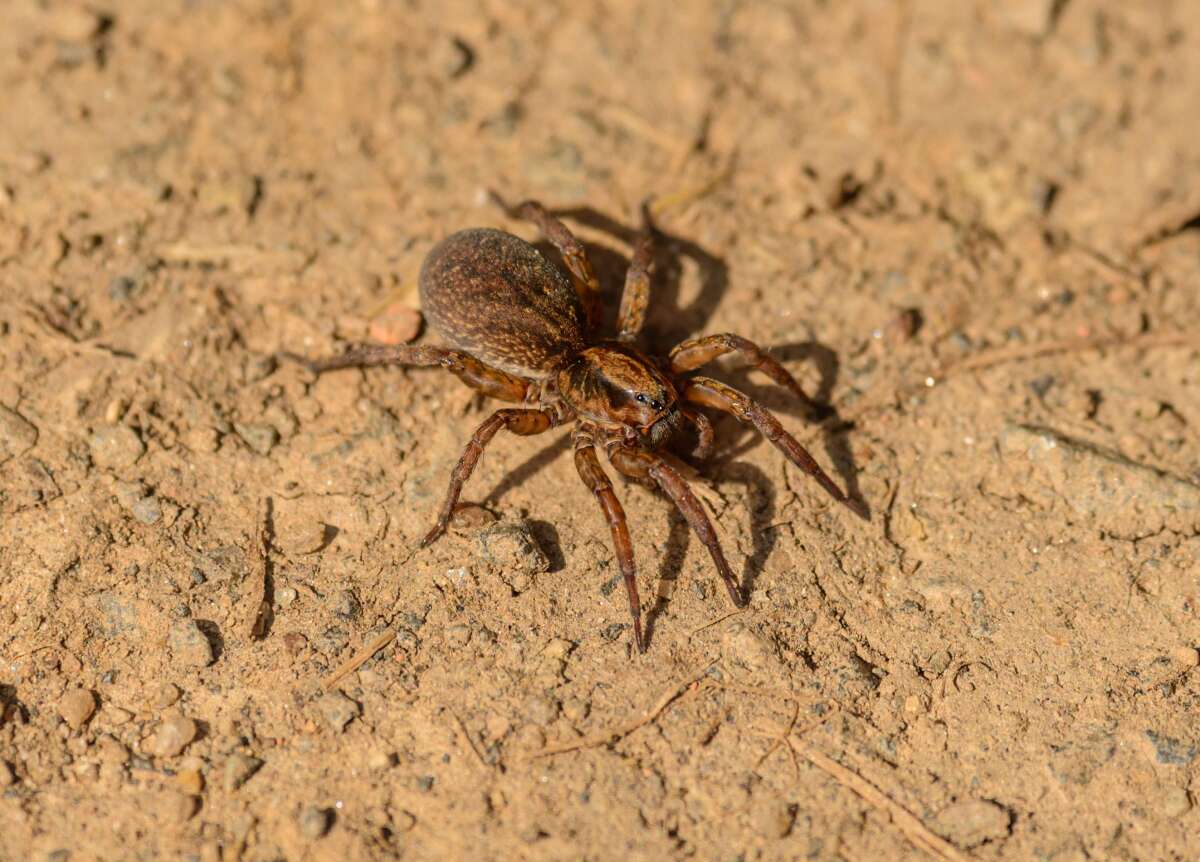
What guests are far more likely to encounter are common house spiders, wolf spiders, or cellar spiders, none of which pose the same reputation risk but can still trigger uncomfortable messages if left unaddressed. The numbers back up how often brown recluse concerns turn out to be misidentification rather than reality. Research from the Burke Museum has found that at least 80 percent of reported brown recluse bites in areas outside the spider's native range turn out to be false reports, usually attributed to other causes like bacterial infections, other insect bites, or different spider species entirely.
| Statistic |
Figure |
| Confirmed brown recluse bite case mentions (2024, National Poison Data System) |
827 total, 198 moderate outcomes, 29 major outcomes, zero deaths |
| Misdiagnosis rate outside native range (Burke Museum) |
At least 80% of reports are false |
| Kansas infestation study |
2,055 spiders documented over 6 months, zero bites among 4 residents |
| Virginia natural range |
Limited to far southwestern tip, isolated populations elsewhere |
| Confirmed U.S. deaths from envenomation |
None reported (Children's Hospital Boston) |
Prevention Strategies: Protecting Your Rental Property from Recluse Infestations
Even with the odds in your favor, basic prevention is still worthwhile, partly for pest control in general and partly for guest peace of mind. Brown recluses and many other spiders are drawn to clutter, undisturbed storage, and small entry gaps around doors, windows, and utility lines. Sealing visible cracks in foundations, repairing damaged window screens, and keeping firewood or storage boxes away from exterior walls all reduce the chances of any spider species settling in. Inside the unit, regular cleaning of closets, basements, and rarely used cabinets removes both the webs and the insect prey that attract spiders in the first place.
It also helps to train cleaning staff or yourself to shake out shoes, linens, and towels that have been stored for long periods between guest turnovers, since recluses favor exactly those kinds of undisturbed fabric spaces. Reducing exterior lighting that attracts flying insects, or switching to yellow bug-resistant bulbs, cuts down on the food source that keeps spider populations active near entry points. None of these steps require special equipment, just consistency built into your regular turnover checklist.
When to Call a Professional: Inspection and Treatment for Vacation Rentals
If guests report repeated spider sightings, or if you personally find a spider you cannot confidently identify, bringing in a licensed pest control professional is the safer route than guessing. A trained technician can perform a proper inspection, identify the species accurately, and recommend targeted treatment rather than a broad pesticide application that may not address the actual problem. This is especially valuable for rental property owners managing multiple units or properties remotely, since a documented professional inspection also gives you something concrete to share with concerned guests.
Professional pest services can also set up ongoing monitoring, using sticky traps in low-traffic storage areas to track spider activity between guest stays without requiring constant manual checks. For a vacation rental business, this kind of proactive relationship with a pest control provider is far more cost effective than scrambling to respond after a guest complaint turns into a negative review. Treating pest management as a routine part of property upkeep, alongside HVAC servicing or gutter cleaning, keeps small issues from becoming larger ones.
Additional Find Rentals Articles

 BOOK DIRECT
 Connect with a Manager