Cape Coral's 400 Miles of Canals
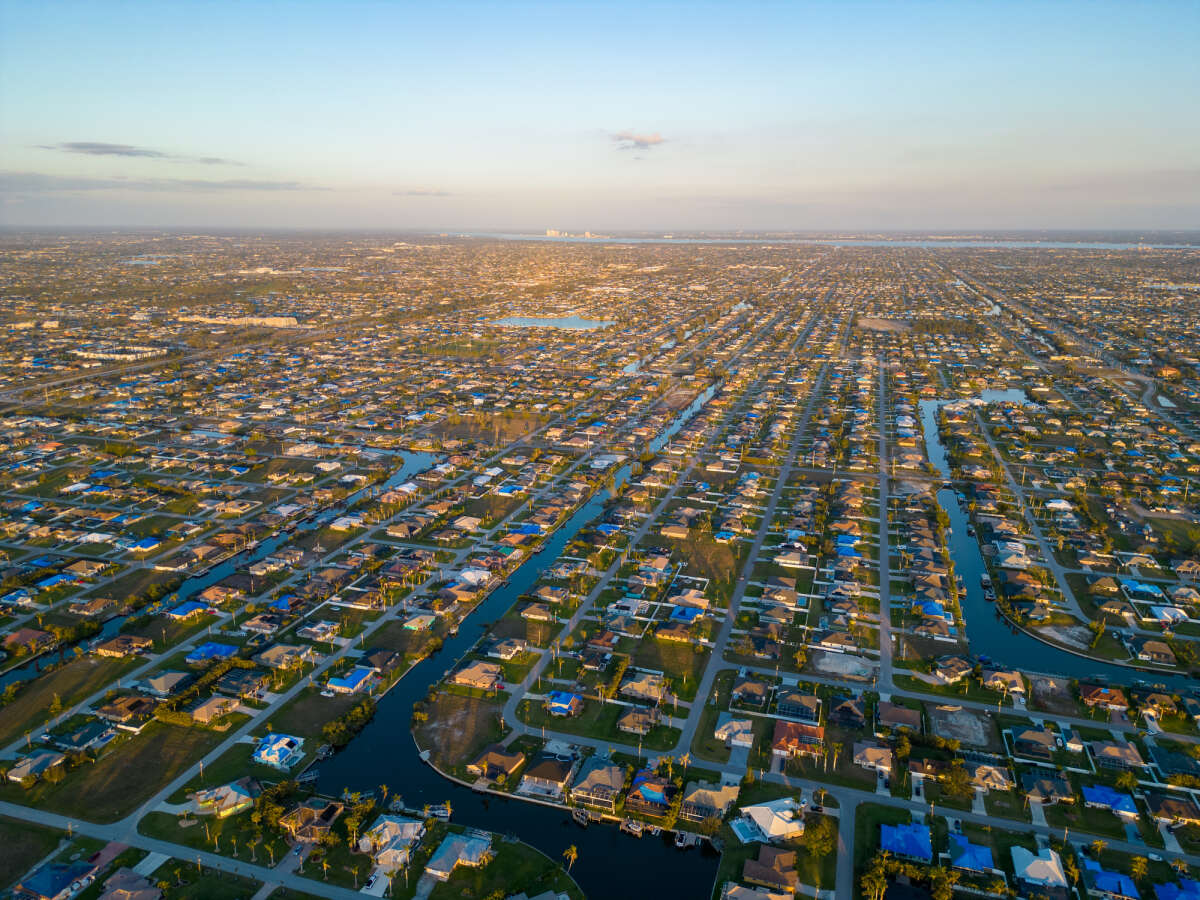
Cape Coral's 400 Miles of Canals: Exploring Florida's Waterfront Wonderland
In Cape Coral, water isn't something you simply drive to during your vacation. It's woven through the city.
More than 400 miles of freshwater and saltwater canals wind through Cape Coral, passing waterfront homes, docks, boats and neighborhoods before some eventually connect with the Caloosahatchee River, Matlacha Pass and the waters beyond. The City of Cape Coral calls the canal system one of its defining features and one of its most important economic assets.
For you, that creates a Florida vacation experience that's very different from simply staying near a beach.
You can wake up in a waterfront vacation rental, drink your morning coffee beside a canal, launch a kayak, fish behind the house, spend an afternoon boating and return to your dock as the Florida sun begins to set.
Welcome to Cape Coral's waterfront wonderland.
How Cape Coral Became a City of Canals
Cape Coral's canal network wasn't an accident.
The modern city began taking shape in the late 1950s after brothers Jack and Leonard Rosen formed the Gulf American Land Corporation and began developing their approximately 115-square-mile property.
Construction of the master-planned community began in 1958, and canals were central to the vision. Dredges excavated waterways while the removed earth was used to raise surrounding land for development. By 1963, more than 160 miles of canals had already been completed.
The system continued expanding as Cape Coral grew.
Today, the waterways have become so closely associated with Cape Coral that it's difficult to imagine the city without them.
They influence where people live, how neighborhoods look, how residents and vacationers recreate, and even how water is managed throughout the community.
Just How Many Canals Does Cape Coral Have?
The frequently used description of "more than 400 miles of canals" is accurate, although you'll encounter slightly different totals depending on the city source and how waterways and shoreline are counted.
One Cape Coral fishing guide breaks the system down as 409 miles of waterways, including approximately 156 miles of freshwater waterways, 222 miles of saltwater waterways and 31 miles of shoreline. Other city materials describe more than 150 miles of saltwater canals and more than 250 miles of freshwater canals.
The important takeaway for your vacation is simpler:
Cape Coral is surrounded and interconnected by water.
Even when your vacation rental isn't directly on a canal, you're rarely far from one.
Freshwater vs. Saltwater Canals: What's the Difference?
This is one of the most important things to understand when choosing a Cape Coral vacation rental.
Not every canal provides the same experience.
Cape Coral has both freshwater and saltwater canal systems, and whether your vacation home is located on one or the other can make a significant difference particularly if boating or fishing is important to your trip.
Freshwater Canals
Cape Coral's freshwater canals are generally inland waterways.
They can be excellent for kayaking, paddleboarding, small boating, wildlife watching and freshwater fishing. Many freshwater canals interconnect with lakes and other canals, creating substantial interior water systems.
But they are not the same thing as Gulf-access canals.
Freshwater systems can be separated by water-control structures and are generally landlocked rather than providing a boating route to the Caloosahatchee River or Gulf.
If your idea of a waterfront vacation is sitting beside the canal, fishing behind your rental and paddling around the neighborhood, a freshwater canal property may be exactly what you're looking for.
Saltwater and Gulf-Access Canals
If boating is central to your vacation, pay particular attention to listings describing saltwater, Gulf access or direct Gulf access.
Cape Coral's saltwater canals can provide access toward the Caloosahatchee River from southern and eastern portions of the city and toward Matlacha Pass from Northwest Cape.
From there, Southwest Florida opens up dramatically.
Instead of simply cruising neighborhood canals, you may be able to continue into larger waterways and spend the day exploring by boat.
That's an entirely different vacation experience.
What Does "Gulf Access" Really Mean?
This is where vacation-rental descriptions deserve a closer look.
Two Cape Coral homes can both be advertised as "waterfront" while offering very different boating experiences.
A freshwater canal home may sit directly on beautiful water but not provide boat access to the Gulf.
A Gulf-access home may connect to larger waterways but the route could include bridges, canals, river travel or other navigational considerations.
And direct Gulf access doesn't necessarily mean the Gulf of Mexico is immediately outside the backyard.
Before booking a Cape Coral vacation rental specifically for boating, ask the vacation rental manager about the property's actual water access.
Questions worth asking include:
Is this a freshwater or saltwater canal?
Does the property have Gulf access?
Are there bridges between the home and open water?
Are there bridge-height restrictions?
Approximately how long does it take to reach the river or larger waterways?
Does the property have a private dock or boat lift?
What size boat can the dock or lift accommodate?
Those answers may matter much more than simply seeing "canal-front" in the property description.
Wake Up on the Water
Even if you never step aboard a boat, staying along a Cape Coral canal can change the character of your vacation.
Imagine opening the sliding doors in the morning and walking outside to your own waterfront patio.
The pool is beside you.
The canal is beyond it.
A boat passes occasionally. Birds move along the shoreline. Maybe someone casts a fishing line from a neighboring dock.
There's nowhere you need to be.
That is one of the great attractions of a Cape Coral waterfront vacation.
The water becomes part of the house.
Instead of packing the car every time you want to experience Southwest Florida's waterfront lifestyle, you're already there.
Explore Cape Coral by Boat
Cape Coral's canals have helped make boating part of the city's identity.
The city maintains improved boat-launch facilities and Rosen Park Marina, which provides access toward the Caloosahatchee River. Cape Coral's Marine Services division oversees recreational marine operations and several boat-launch locations around the city.
If your vacation rental includes appropriate dock access or you arrange a boat rental separately so you can experience Cape Coral from an entirely different perspective.
Cruise through residential canals lined with tropical landscaping and waterfront homes.
Continue toward the Caloosahatchee River.
Explore the waterways around Matlacha.
Spend the day fishing.
Stop somewhere along the water for lunch.
Then return to your Cape Coral vacation home by boat.
For many vacationers, that's the Cape Coral experience they came for.
Kayak and Paddle Through Cape Coral
You don't need a powerboat to enjoy the canal system.
Kayaks and paddleboards allow you to slow everything down.
Instead of covering miles of water quickly, you can quietly explore canals and nearby waterways while looking for birds, fish and other wildlife.
Paddling also connects naturally with Cape Coral's larger ecotourism experience.
The city is bordered by the Caloosahatchee River and Matlacha Pass, providing access to mangrove environments and wildlife habitat beyond the residential canal system. Dolphins, manatees and numerous native birds can be found throughout the area.
For an even more natural paddling experience, add places such as Four Mile Cove Ecological Preserve and Sirenia Vista Park to your itinerary.
Go Fishing Without Leaving Your Vacation Rental
One of the pleasures of renting the right Cape Coral waterfront home is being able to step outside and fish.
Cape Coral's combination of freshwater and saltwater waterways creates a variety of fishing environments.
The city's freshwater canals provide opportunities for freshwater species, while saltwater canals connect anglers with the broader coastal ecosystem.
Tides influence Cape Coral's saltwater canals, so conditions can change throughout the day. The city recommends checking tide information when fishing and boating in these waterways.
If fishing is a priority, ask your vacation rental manager what type of canal the property sits on and whether fishing from the dock is practical.
Also check current Florida fishing-license requirements, seasons, bag limits and regulations before casting a line.
Watch for Wildlife Along the Water
Cape Coral's canals aren't simply recreational infrastructure.
They also provide habitat.
Depending on where you stay and explore, you may encounter fish, turtles, wading birds and other wildlife around the waterways.
Move beyond the residential canals toward the Caloosahatchee River, Matlacha Pass and Cape Coral's preserves, and the wildlife experience becomes even richer.
Manatees are one of the area's most beloved seasonal residents, while dolphins can be encountered in surrounding saltwater environments. Cape Coral is also well known for its burrowing owls, although you'll generally look for those fascinating little birds on land rather than along the canals.
It's another reason to slow down.
You never know what may appear beside the water.
The Canals Do More Than Create Waterfront Views
Cape Coral's canal network may look recreational from the backyard of a vacation home, but it performs important practical functions for the city.
The canals help manage stormwater and reduce flood risk during heavy rain. Freshwater canals also store water used for irrigation, while the waterways contribute to wildlife habitat, recreation and waterfront property values.
Water quality is therefore particularly important.
Cape Coral monitors its stormwater resources and has operated its Canalwatch volunteer program since 1995. The city also continues to work on canal dredging to address sediment accumulation, maintain navigability and support water quality and flood-control functions.
So the canals aren't merely an attraction.
They're part of Cape Coral's infrastructure, environment and identity.
From Cape Coral's Canals to the Caloosahatchee River
Eventually, Cape Coral's saltwater story leads to the Caloosahatchee River.
The river forms Cape Coral's southeastern boundary and separates the city from Fort Myers.
For boaters, it can serve as a gateway between Cape Coral's canal neighborhoods and the larger waterways of Southwest Florida.
Once you're on the river, the scale changes.
Residential canals give way to broad stretches of water. Boats become more numerous. Bridges cross the horizon. The Southwest Florida coastline begins to open around you.
And depending on your route, the journey can continue much farther.
Head Toward Matlacha Pass
Northwest Cape Coral offers another fascinating connection to the water.
Saltwater canals in this portion of the city can connect toward Matlacha Pass, placing you near one of Southwest Florida's most distinctive coastal areas.
From Cape Coral, you can also drive toward colorful Matlacha and Pine Island for a day exploring fishing culture, seafood, galleries and a landscape that still retains pieces of Old Florida character.
That makes Northwest Cape Coral particularly interesting if you want your vacation to combine waterfront living with nature and quieter coastal communities.
Waterfront Dining in Cape Coral
A city built around water naturally lends itself to waterfront dining.
Part of the fun of a Cape Coral vacation is finding restaurants where the setting becomes part of the meal.
Spend the afternoon boating and stop near the water for lunch, or finish the day with dinner overlooking a marina, basin or canal.
The area's tourism organization specifically highlights Cape Coral's combination of more than 400 miles of canals, waterfront vacation homes and waterfront restaurants as part of the city's appeal.
It's another way the canal network extends beyond recreation and becomes part of everyday vacation life.
Choose the Right Cape Coral Waterfront Vacation Rental
Cape Coral may be one of those destinations where the location of the vacation rental itself can dramatically change your trip.
If you're primarily interested in a private pool and water views, a freshwater canal home could be an excellent choice.
If you want to kayak and fish, ask about the canal and what you can access directly from the property.
If you're bringing or renting a boat, you'll want much more specific information about Gulf access, docks, lifts, bridges and travel time to larger waterways.
And if your dream vacation involves walking outside each morning, stepping onto your boat and heading toward the Caloosahatchee River, look specifically for a property suited to that experience.
Don't choose based on the photographs alone.
Talk with the vacation rental manager and explain how you plan to use the property.
That's one of the advantages of booking direct with a professional vacation rental manager. A local manager should know the property and can help you understand whether the home's waterfront features match the vacation you're planning.
Experience Florida's Waterfront Wonderland
Plenty of Florida destinations put you near the water.
Cape Coral puts water throughout the city.
Its hundreds of miles of canals create neighborhoods where boats sit behind homes, docks become gathering places and an ordinary morning can begin beside the water.
You can fish.
You can paddle.
You can boat.
You can explore the Caloosahatchee River and Matlacha Pass.
Or you can do absolutely none of those things and simply sit beside your vacation rental's pool watching the canal behind the house.
That's the beauty of Cape Coral.
Here, the waterways aren't simply another attraction to visit.
They're part of the vacation.
Additional Find Rentals Articles

 BOOK DIRECT
 Connect with a Manager