Managing Personal Belongings in Seasonal Rental Properties
Managing Extra Belongings When Renting Seasonal Properties
Seasonal property rentals offer a lifestyle many people aspire to: a summer cabin near a lake, a winter chalet in the mountains, or a year-round pied-à-terre for work-week getaways. Yet while the idea of seasonal living sounds liberating, the practical side can introduce challenges, especially when it comes to belongings. Unlike traditional year-round homes with dedicated closets, basements, and garages, seasonal properties often have limited storage designed for short stays rather than long-term household functions.
For anyone spending extended time away from their primary residence, the question becomes: what happens to all the things that aren’t needed during a seasonal stay? Furniture, recreational gear, holiday décor, and personal items can quickly overflow even well-planned interiors. Addressing this issue requires a strategic approach to storage that balances accessibility, cost, and peace of mind. One effective solution many seasonal renters and homeowners pursue
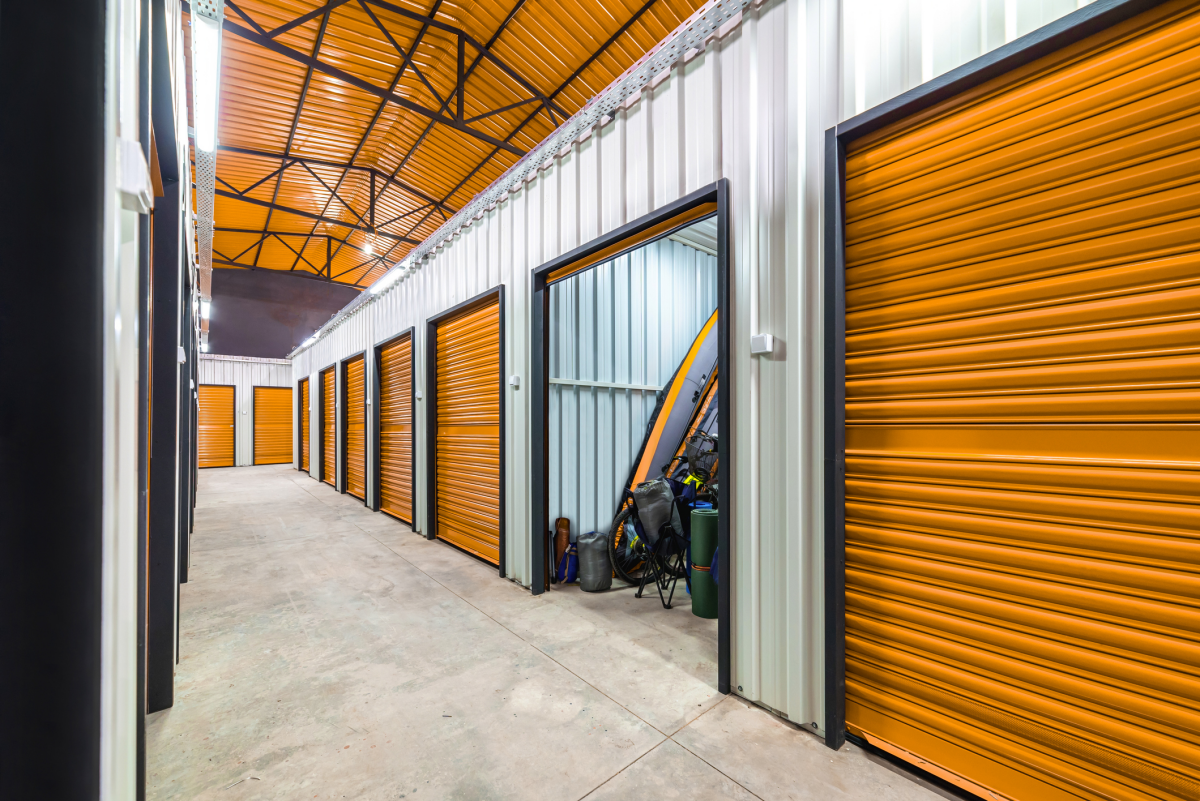
involves small storage units, which provide dedicated space for belongings that aren’t part of daily life in a seasonal property but are still important to retain.
Understanding options for managing extra items helps seasonal renters maintain uncluttered living spaces while protecting possessions and reducing stress.
The unique context of seasonal rentals
A seasonal property differs from a primary residence in several key ways. It may lack the full complement of closets, drawers, or utility rooms that most people take for granted at home. Designs often prioritize leisure spaces over storage, open concept living areas, lofted sleeping nooks, and minimalist finishes are common. Practical storage spaces such as basements or attics may be absent, unfinished, or repurposed for guest use rather than boxes of belongings.
At the same time, people who rent seasonally often juggle two households: their year-round home and their second property. This duality raises questions about what to bring, what to rotate, and what to store elsewhere. Leaving too much behind in a seasonal property can crowd the space and diminish enjoyment. Bringing too little can make stays feel incomplete or inconvenient. Storage solutions outside the seasonal home allow people to strike a thoughtful balance.
Beginner’s checklist for belongings review
Before committing to any storage solution, it helps to assess what belongings fall into different categories:
- Everyday essentials: Items needed frequently during the seasonal stay, such as clothing, kitchenware, and toiletries.
- Occasional gear: Items used occasionally in that season, such as mountain bikes in summer or snowboards in winter.
- Sentimental or bulky items: Keepsakes, heirlooms, bulky furniture, or seasonal décor that don’t fit the immediate needs of a short stay.
- Overflow personal goods: Items from the primary home that are not relevant to the seasonal property but still need secure storage.
Separating possessions into these groups clarifies what truly needs to be in the seasonal dwelling versus what can go into dedicated external storage.
Why external storage helps
Once belongings are sorted by need, external storage fills a critical role. Temporary dwellings are more comfortable and functional when they are not crowded with items that aren’t in constant use. For example, bulky winter gear stored in January at a summer property could be moved out and placed in a small storage unit until needed. Similarly, furniture that feels out of place in a minimalist cabin can reside elsewhere until guests arrive or special occasions occur.
Small storage units provide a neutral, secure environment for belongings year-round. They offer flexibility: renters can choose unit sizes based on their volume of possessions and adjust over time if needs change. These units also help seasonal renters avoid repeated transporting and unpacking bulky items between homes.
Choosing the right storage solution
Selecting an appropriate storage option involves several considerations:
Size and accessibility
The volume of belongings will determine unit size. A small unit may suffice for boxes, off-season clothing, and compact gear, while larger setups might be necessary for furniture or larger recreational equipment. Accessibility is also important; renters often need to retrieve or add items between stays without logistical hassles. Drive-up units or sites near the seasonal property can simplify these transitions.
Climate control
Extreme temperatures and humidity can damage certain items over time. Clothing, electronics, wood furniture, and paper documents are sensitive to moisture and temperature fluctuations. Climate-controlled storage, which maintains steady temperature and humidity levels, protects these belongings year-round.
Security features
Reputation and physical security features of a storage facility matter. Well-lit units, gated access, surveillance cameras, and individual locks contribute to peace of mind. Knowing items are secure lets renters focus on enjoying their seasonal lifestyle without worrying about the condition of stored possessions.
Cost considerations and budgeting
Small storage units involve ongoing monthly fees. Budgeting for this cost should factor in not only the unit rental but also transportation, packing materials, and any insurance required or recommended by the facility. Despite these expenses, many seasonal renters find that dedicated storage ultimately saves money by avoiding frequent damage to belongings left in inappropriate spaces or the need to rent multiple temporary solutions over time.
Comparing prices and features across multiple facilities can help households identify the best balance of cost and quality. Some storage providers offer introductory rates, online management tools, or flexible lease terms that accommodate the rhythms of seasonal living.
Packing smart for long-term storage
Packing for storage requires deliberate preparation. Items destined for storage benefit from being cleaned, dried, and protected before placement. Use durable boxes, garment covers, furniture blankets, and moisture absorbers as needed. Labeling boxes with contents and dates simplifies retrieval later. Creating an inventory list helps track what’s in storage without opening every container, saving time and effort.
Prioritizing ventilation and avoiding overpacking also reduce the risk of damage over time. Even in climate-controlled units, maintaining airflow around stored items prevents mould and odors.
Dual-home inventory management
Managing belongings across a primary residence and a seasonal property can feel overwhelming without a system. A shared digital inventory, using spreadsheets, apps, or simple documents, helps keep track of where items are located. Noting unit numbers, box labels, and contents allows household members to locate items quickly when plans change or needs arise unexpectedly.
This approach also supports planning: if a seasonal renter anticipates needing a specific item during a future visit, they can schedule retrieval in advance rather than making last-minute trips.
Flexibility and changing needs
As seasonal preferences evolve, so do storage needs. A small storage unit that once housed winter sports equipment may later be used for outdoor furniture when a seasonal property changes from winter to summer use. The modular nature of external storage, with the ability to upgrade or downsize units, aligns naturally with changing lifestyles.
Seasonal dwellers who expect their routines to shift can benefit from flexible agreements that allow adjustments without penalties. Storage facilities with month-to-month leases or online management tools accommodate these changes more easily than long-term rigid contracts.
Security and insurance
Although storage units enhance security, standard renters insurance may not extend to items stored off-site. Checking insurance coverage and considering supplemental policies ensures that belongings in external storage are protected against theft, fire, or environmental damage. Some storage facilities offer or require insurance options that complement personal coverage, adding another layer of protection.
Integrating storage into seasonal budgeting
For many seasonal renters, storage fees become a predictable line item in annual planning. This forecastable cost allows renters to balance the benefits of additional space against other seasonal expenses, whether utilities, travel costs, or recreational gear purchases. Treating storage as an investment in comfort and organization, rather than a burden, positions it as a logical component of seasonal living budgets.
Sustainability and mindful consumption
Seasonal living also invites reflection on consumption habits. When belongings span two households, renters may reassess what they truly need versus what accumulates unnecessarily. The process of sorting possessions for storage often leads to decisions about donation, recycling, or repurposing items that no longer serve a purpose. This mindfulness supports both economic efficiency and reduced waste.
Enjoying your seasonal home
Ultimately, managing extra belongings enhances the seasonal rental experience. When spaces feel open, intentional, and free of clutter, residents can engage more fully with surrounding landscapes, community activities, and leisure pursuits. Thoughtful displacement of excess possessions into well-chosen storage solutions allows seasonal dwellers to enjoy the benefits of both minimalist living and preservation of meaningful belongings.
Whether it’s skis in summer, furniture in winter, or keepsakes year-round, having reliable storage supports comfort, flexibility, and peace of mind, core elements of any warm-weather or cold-season escape.
Additional Find Rentals Articles

 BOOK DIRECT
 Connect with a Manager