Spending Fall at a Vacation Home
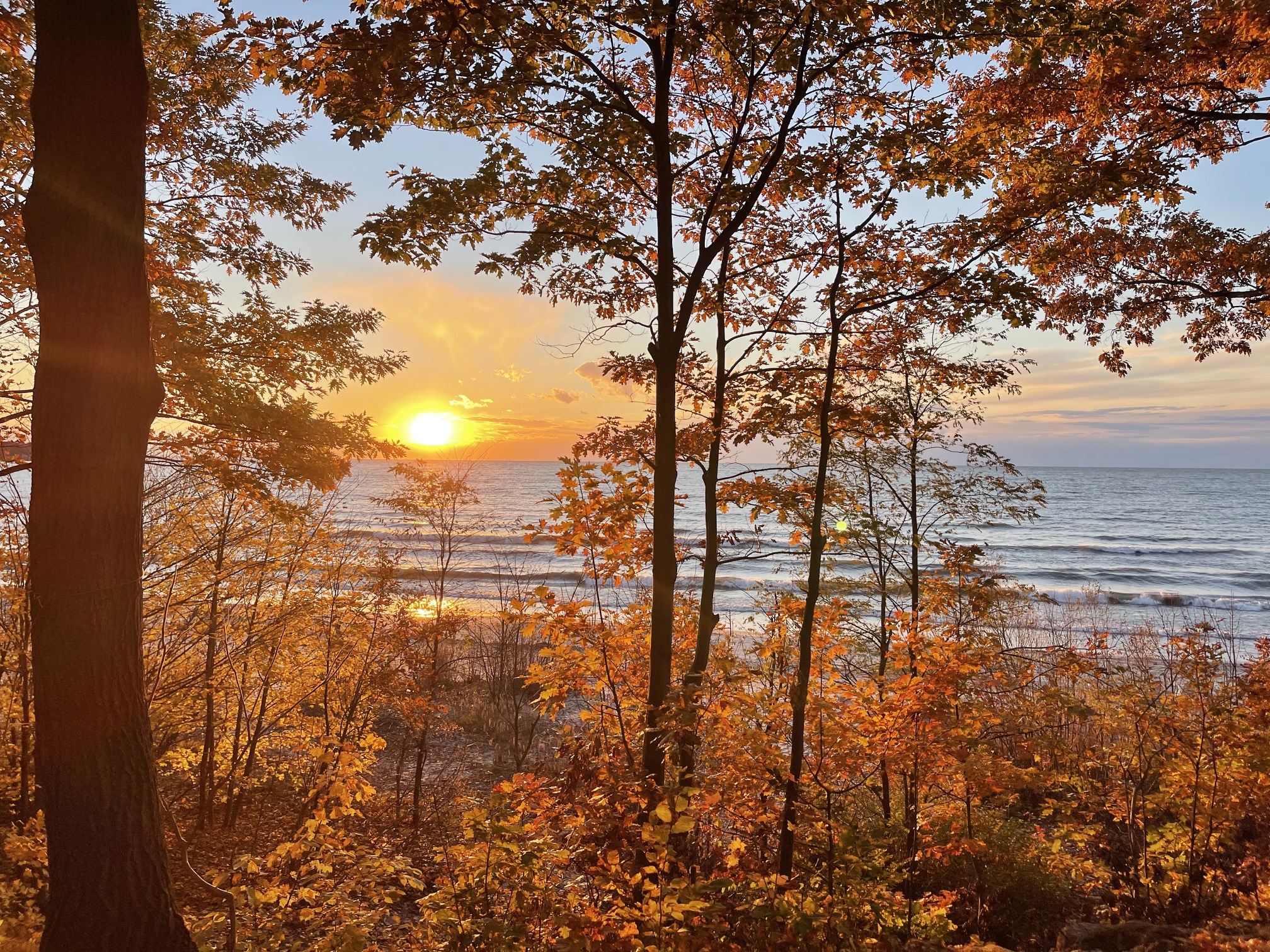
The Practical Side of Spending the Fall at a Vacation Home
A vacation home rented for six weeks instead of six days changes the packing list, the paperwork, and the mindset. Cooler nights, shorter days, and fewer crowds make autumn one of the most requested seasons for longer stays, and travelers who plan well settle in faster than those who wing it. Understanding the practical side of spending the fall at a vacation home from choosing the right property to handling what stays behind at your primary residence. This turns an extended getaway into something closer to a second home.
What is the Practical Side of Spending the Fall at a Vacation Home?
The practical side of spending the fall at a vacation home comes down to logistics: property selection, packing for a longer window, and decisions about your regular house while you're gone. A week-long trip rarely demands much planning beyond stopping the mail. Six or eight weeks is different. Guests need reliable heat, a kitchen stocked for real cooking, and a rental manager who answers the phone when something breaks.
Many travelers juggle two properties at once, and the home they left behind needs nearly as much attention as the one they're staying in. Fall's shoulder-season rates make the extra planning worthwhile for many families.
How Do You Choose the Right Vacation Rental for an Extended Fall Stay?
Look for a property manager who lists direct contact information and responds before you book, not just after a problem comes up. Booking direct with a vacation rental manager can make communication easier during a longer stay because there is a local point of contact for maintenance issues, questions about the property, or unexpected problems.
Ask about weekly housekeeping, whether utilities are included at longer-stay rates, and how the manager handles maintenance requests after hours. A property with a real kitchen, a workspace, and enough storage for autumn gear such as boots, layers, maybe a bike makes the difference between camping out and actually living there for a season.
What Should You Do With Your Belongings Before You Leave?
Furniture, seasonal decor, and anything you won't need for weeks can crowd a home that's sitting mostly empty. Sorting items into three categories saves space and lowers the risk of damage in an unattended house:
- Items to bring to the rental
- Items to leave in place at home
- Items to move into short-term storage
New England moving and storage company A to Z Moving & Storage can handle packing and short-term storage for bulky belongings that homeowners do not want to leave in place during an extended stay. A simple inventory list, or even a photo of each closet, makes it easier to remember what went where once you're back.
How Do You Settle Into a Vacation Home for the Season?
Unpacking for a season looks different than unpacking for a weekend; treat the closets and drawers as genuinely yours for the duration of the stay. Set up a designated spot for shoes, outdoor gear, and anything wet from an afternoon walk, since fall weather brings mud and rain more often than summer does.
Properly managing personal belongings in a seasonal rental also means deciding where everyday items, outdoor gear, and anything you will not use regularly should live so the rental never starts feeling cluttered. Establishing a routine early such as grocery runs, a regular workspace, a go-to coffee shop makes the property feel less like a hotel room and more like where you actually live right now.
How Do You Keep Your Primary Home Safe While You're Away?
A house left empty for a season needs more than a stopped mail order. Adjust the thermostat rather than turning the system off completely, since a heated or cooled home resists mold, frozen pipes, and humidity damage far better than one left at outdoor temperature.
Ask a neighbor or a paid house-sitter to check in weekly, bring in packages, and glance at the yard so the property doesn't look obviously vacant. The University of Florida's IFAS Extension advice on closing a seasonal home suggests beginning preparations several weeks before departure so there is enough time to address utilities, security, appliances, and exterior upkeep without rushing. A home that's properly closed up is one less thing to think about during the stay.
What Makes Fall the Right Season for a Longer Stay?
Autumn offers something summer can't: dramatic scenery paired with fewer crowds and lower nightly rates. Cooler temperatures make outdoor exploring more comfortable, and shorter days lend themselves to slower mornings and long dinners at home rather than back-to-back sightseeing.
The National Park Service explains that foliage season is shaped by factors including day length, temperature, and rainfall, which is why peak color can shift from one year or location to the next. Timing a stay even a week earlier or later can change the whole experience. Renting for several weeks instead of a few days means catching more of that window, whichever direction the colors turn.
What Happens When It's Time to Wrap Up the Stay?
Leaving a rental in good shape protects your deposit and makes rebooking easier if you plan to return next fall. Strip the beds, run the dishwasher, and take out the trash before a final walkthrough with the manager or a self-checkout list.
The same principles involved in deep cleaning a vacation rental property can help guests spot the areas most easily overlooked before checkout, from appliances and baseboards to corners where personal belongings tend to get left behind. Coordinate the pickup of anything held in storage back home so both properties are squared away around the same time, rather than juggling two move-out dates weeks apart.
Coming Home to Two Places at Once
Spending several weeks or more in a new place asks more of you than a typical trip, but the payoff is a season that feels lived-in rather than rushed through. Mastering the practical side of spending the fall at a vacation home frees up the actual point of going.
The packing, the storage, and the home-base prep are worth handling early, so the actual stay can feel slower and less rushed. Start planning soon, line up help for the parts you can't handle alone, and treat the season as an experience worth the extra logistics.
Additional Find Rentals Articles

 BOOK DIRECT
 Connect with a Manager