
 Connect with a Manager
by Tiffany Wagner
Vacation Rental Home Stay With Your Family
Advantages of staying in a vacation rental home when traveling with your family. Families should consider all of the advantages and choose the…
 BOOK DIRECT
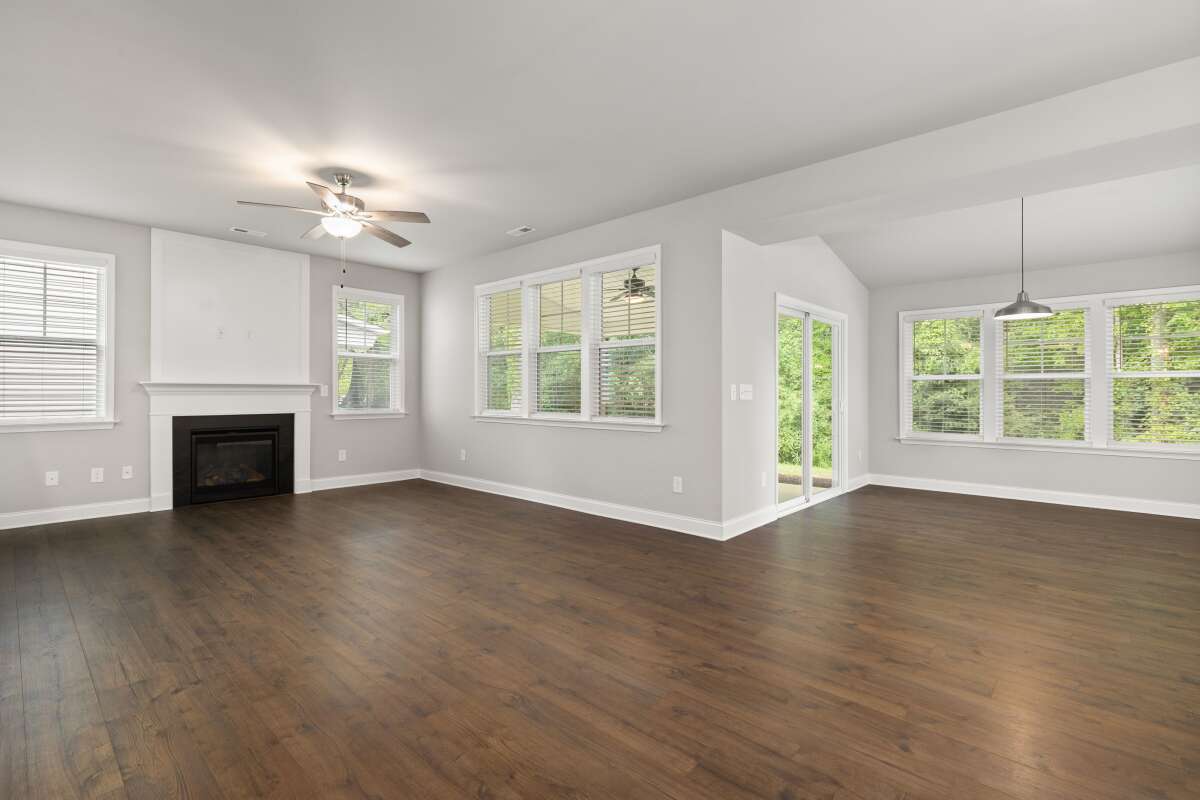
A vacation rental has to work for people who have never seen it. Guests arrive tired, carry unfamiliar luggage, and need to find the bed, the bathroom, and the kitchen without instructions. Furniture bought first and arranged later usually fails that test, while a layout planned on paper first makes every purchase answer a clear question.
A listing sells beds, so the plan should begin with the number of people the property will sleep. Count the guests you want to host comfortably, then decide how many beds, sofa beds and bunks that requires. Ten sleeping spots squeezed into a three-bedroom house produce long bathroom queues and a living room that doubles as a dormitory.
A little home design work before shopping saves money, because a floor plan drawn to scale shows whether the beds you want will fit alongside the walkways guests need. Draw each room with its doors and windows, place the beds, and see how much space remains for bags, a dresser, and a path to the door.
Think in terms of groups. Families with children want bedrooms close together, friends traveling as a group often want separation, and couples want privacy. A layout that handles all three, with at least one bedroom at the far end of the home and one near the living area, widens the pool of guests who will book.
Walk through the house as a first-time visitor. The route from the entrance to the key box, the kitchen, the bedrooms and the bathrooms should be obvious without signs. A short hallway with a clear view of each door reduces the questions guests ask by message, and a visible spot for coats and shoes keeps the entrance tidy.
Check the path at night. A guest looking for the bathroom in the dark should not have to cross a dining table, a stack of luggage or a staircase without a light. Plug-in night lights along the route and a switch at the head of every bed cost little and prevent most complaints.
Consider the shared spaces next. A table seats the number of guests the home sleeps, and sofa seating faces the television or the view without blocking the way to the kitchen. In small homes, a drop-leaf table or a bench with storage underneath saves floor area without sacrificing capacity.
Guests do not know a home's exits or alarm sounds, which makes safety a layout decision. The U.S. Fire Administration's smoke alarm guidance says to install smoke alarms in every bedroom, outside each separate sleeping area and on every level of the home, including the basement, and that larger homes may need more.
The agency adds that half of home fire deaths happen between 11 p.m. and 7 a.m., when most people are asleep, and it recommends interconnected alarms so that when one sounds, they all sound. Alarms should be tested at least once a month and replaced when they are 10 years old or fail to sound during a test. Some people, especially children and older adults, may need help to wake up.
Give guests a short written safety page near the entrance. It should show the exits, the outside meeting place, the location of any fire extinguisher and how to reach the owner in an emergency. Guests who read a one-page guide on arrival are better prepared than those who learn the house during an incident.
Translate the guidance into a plan. Mark the location of every alarm on the floor plan, add one in any sleeping area that lacks it and place a monthly test on the maintenance calendar between guests. Put exits in the house guide, with a note about the outside meeting place and the nearest emergency number.
A rental owner should also check local rules, since many jurisdictions set specific requirements for short-term rentals, and the guidance above describes the baseline and not the legal minimum everywhere.
A rental sees dozens of arrivals a year, so the layout must survive heavy use and fast cleaning. Choose furniture with cleanable surfaces, space under beds for bags and wall hooks at a height guests can reach. A luggage bench in every bedroom keeps suitcases off the bed and gives guests a place to open them.
Durability matters more than style in a rental. Performance fabrics, washable covers, and rugs that survive rolling suitcases all lower replacement costs over a year of bookings.
Plan for the cleaner as well. Floor space around beds, accessible corners, and fewer small decorative items cut the time between stays. Closets that lock hold the owner's supplies, and open shelves in the kitchen show guests what is available without a search.
Storage in the entrance deserves attention too. Guests arrive with strollers, beach gear, or ski equipment, and a spot for them near the door prevents the living room from filling with clutter in the first hour.
Use the drawing to check before buying. Place a bed of the planned size in each room, add the nightstands, and trace the route to the door. If two people cannot pass each other beside the bed, the room needs a smaller bed or a different arrangement.
Print the plan and walk the house with it, standing where each piece of furniture will go. Measure doors and stairwells to confirm that large items can enter the building at all, since a sofa that does not fit through the front door is an expensive lesson.
Record the results. Note which rooms drew compliments and which drew complaints, then adjust the plan before ordering the remaining furniture.
Buy in stages. Furnish the bedrooms and bathrooms first, host a test stay with friends and ask for blunt feedback, then complete the living areas. A rental that has been used once by people who know its owner will reveal problems that no drawing can.