
 Connect with a Manager
Disney World Area Florida
ORLANDO, FL #1 Top Family Focused Vacation Rental Destinations
Downtown Orlando, Florida: More than Just for Family Vacations
 BOOK DIRECT
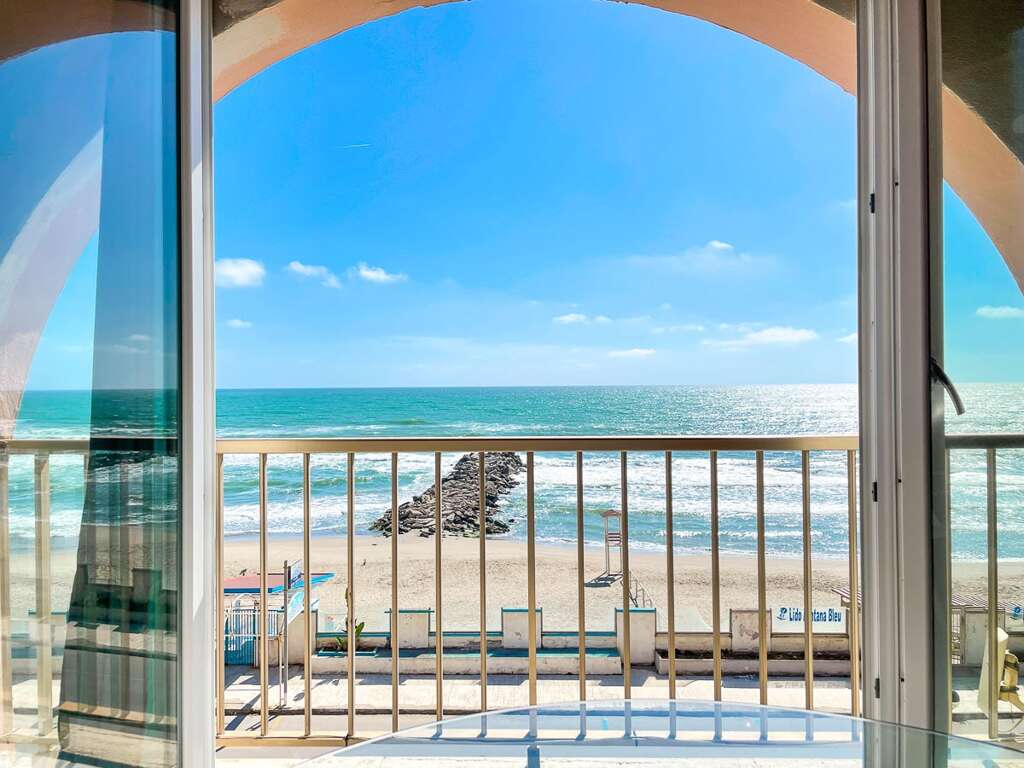
The Domitio Coast, known in Italian as the Litorale Domitio, stretches along the northwestern coastline of Campania in Southern Italy, between the Naples area and the Lazio border. This part of the Tyrrhenian Sea is known for broad sandy beaches, shallow coastal waters, pine forests, historic towns, fertile farmland, and the mouth of the Volturno River. It offers a quieter coastal experience than many of Campania's better known destinations while still placing travelers within reach of Naples, Caserta, Pompeii, the Gulf of Naples, and other major attractions.
For travelers staying in Castel Volturno, the Domitio Coast offers much more than a beach vacation. The surrounding area brings together coastal scenery, birdwatching, Roman history, local food traditions, nature reserves, historic architecture, and some of Campania's most important cultural landmarks. It is an especially interesting destination for travelers who want to combine time by the sea with day trips and a deeper look at the region.
The Domitio Coast is located in the northern part of Campania along the Tyrrhenian Sea. The coastal area extends from the Lazio border south toward the Phlegraean Fields near Naples. Much of the coastline lies within the Province of Caserta, including communities such as Castel Volturno, Mondragone, Cellole, and Sessa Aurunca.
Official Campania tourism describes the Domitio Coast as a landscape of wide sandy beaches with shallow waters, often bordered by pine forests. The broader tourism region stretches inland toward Caserta and the fertile Campania plain, connecting beach destinations with historic cities, archaeological sites, agricultural areas, and cultural attractions.
Castel Volturno is one of the principal communities along the Domitio Coast and sits where the Volturno River reaches the Tyrrhenian Sea. Its location makes it an interesting base for travelers who want to experience both the coast and inland Campania.
The town stretches across a large coastal area with beaches, wetlands, pine forests, residential communities, and natural areas. Visitors can spend time by the sea, explore the Volturno River environment, discover local history, and take day trips toward Naples, Caserta, Capua, Pozzuoli, and other destinations throughout northern Campania.
The beaches are one of the defining features of the Domitio Coast. Unlike the rocky cliffs and small coves associated with the Amalfi Coast farther south, this portion of Campania is characterized by long, wide stretches of sandy shoreline.
Shallow coastal waters make many areas appealing for swimming and relaxed beach days, particularly for families. Beach clubs and establishments can be found along different sections of the coast, while other stretches maintain a more natural appearance with dunes, vegetation, and pine forests close to the shoreline.
Travelers staying in Castel Volturno can enjoy the convenience of the coast while still being positioned for exploring the cultural and historic attractions located inland.
One of the most interesting natural features of Castel Volturno is the mouth of the Volturno River. Stretching approximately 175 kilometers, the Volturno is the most important river in Campania and eventually reaches the Tyrrhenian Sea at Castel Volturno.
For centuries, the river has influenced agriculture, settlement, transportation, wildlife, and daily life across this part of Southern Italy. Its waters helped shape the fertile plains surrounding Caserta and created valuable wetland habitat where freshwater and coastal ecosystems meet.
The river also contributes to one of the region's most recognizable agricultural traditions. The fertile landscape of the Volturno plain is an important production area for Mozzarella di Bufala Campana DOP, the famous buffalo milk mozzarella associated with Campania.
Near the mouth of the Volturno River lies one of the area's most important natural environments. The wetlands around Foce del Volturno provide habitat for an impressive variety of birds and other wildlife.
More than 200 species of birds have been associated with the river mouth habitat, making this area particularly interesting for birdwatchers and nature enthusiasts. The wetlands provide resting, feeding, and nesting habitat for resident and migratory birds moving through the Mediterranean region.
The protected environment includes marshes, waterways, coastal vegetation, and areas where the river transitions into the sea. Visitors interested in nature photography, birdwatching, and coastal ecosystems can experience a very different side of Campania here than they would in the busy historic centers of Naples or Caserta.
The Domitio Coast is also known for its coastal pine forests and Mediterranean vegetation. In several areas, pine woods create a green transition between developed communities and the beaches.
These natural landscapes provide habitat for birds and wildlife while adding another dimension to a traditional beach vacation. Travelers can combine mornings near the water with walks, nature observation, cycling, and exploration of nearby protected areas.
The area around modern Castel Volturno has a history that stretches back to ancient times. The Roman settlement of Volturnum developed near the mouth of the river and became strategically important because of its location along transportation and trade routes.
During the Roman period, the construction of the Via Domitiana strengthened connections between communities along the Campania coastline. Built during the reign of Emperor Domitian in the first century, the road connected important settlements and contributed to the development of the coastal region.
The name Domitio Coast itself reflects this ancient Roman heritage. Travelers exploring the area today are moving through a landscape that has connected people, goods, agriculture, and coastal communities for centuries.
North of Castel Volturno, Mondragone is another important community along the Domitio Coast. The area combines beaches with historic sites, agricultural landscapes, and views toward Monte Massico.
Continuing north brings travelers toward Cellole and Sessa Aurunca, where coastal experiences can be combined with historic centers, archaeological remains, churches, countryside, and traditional Campanian cuisine.
This makes driving along the coast an interesting day trip for visitors who want to experience several different communities rather than remaining at a single beach.
No visit to this part of Campania is complete without experiencing Mozzarella di Bufala Campana DOP. The fertile plains surrounding the Volturno River are an important buffalo farming region, and fresh buffalo mozzarella is one of the area's defining foods.
The cheese is known for its soft texture, delicate flavor, and fresh milky interior. It appears throughout local cuisine and is commonly served simply with tomatoes, bread, olive oil, vegetables, or cured meats.
Travelers exploring the countryside between Castel Volturno and Caserta may encounter farms, dairies, restaurants, and local food producers connected to this long standing agricultural tradition.
One of the most impressive day trips from the Domitio Coast is the Royal Palace of Caserta. Built beginning in the eighteenth century for the Bourbon kings of Naples, the palace is one of Europe's great royal residences and a UNESCO World Heritage Site.
The enormous complex includes approximately 1,200 rooms, grand staircases, royal apartments, a court theater, monumental halls, and extensive decorative interiors.
Outside the palace, the Royal Park stretches for nearly three kilometers and includes an extraordinary sequence of fountains, pools, gardens, sculptures, and the famous Via d'Acqua. Visitors can also explore the English Garden, formal Italian gardens, historic woodland, and additional architectural features throughout the estate.
The Royal Palace of Caserta is substantial enough to occupy most of a day and provides a dramatic contrast to the beaches and natural landscapes of Castel Volturno.
Travelers interested in ancient history should also consider exploring Capua and Santa Maria Capua Vetere. These communities contain important archaeological sites and help tell the story of ancient Campania.
Santa Maria Capua Vetere occupies the site of ancient Capua, once one of the most important cities of Roman Italy. Its archaeological heritage includes the Campanian Amphitheater, one of the largest Roman amphitheaters ever constructed.
The surrounding area provides an opportunity to explore Roman history without traveling far from the Domitio Coast.
Naples is one of the most rewarding destinations to combine with a stay along the Domitio Coast. The capital of Campania is known for its historic center, waterfront, architecture, museums, churches, street life, markets, and extraordinary food culture.
Visitors can explore Piazza del Plebiscito, the Royal Palace of Naples, Castel Nuovo, the Spanish Quarter, Via Toledo, Santa Lucia, Chiaia, and the Lungomare. Naples also serves as a transportation gateway for reaching destinations throughout the Gulf of Naples.
A day in the city offers a completely different experience from the quieter beaches and nature surrounding Castel Volturno.
Between Castel Volturno and Naples lies the fascinating Phlegraean Fields, or Campi Flegrei. This volcanic landscape includes ancient archaeological sites, crater lakes, historic communities, and coastal scenery.
Places such as Pozzuoli, Bacoli, Lake Avernus, Baia, and Cuma provide travelers with opportunities to explore Roman ruins and the volcanic history of the region.
The Phlegraean Fields can make an excellent day trip for travelers staying on the Domitio Coast who want to experience a combination of archaeology, geology, and coastal scenery.
One of the advantages of staying in Campania is the ability to reach some of Italy's most important archaeological and natural attractions. Pompeii preserves the remains of the ancient Roman city buried during the eruption of Mount Vesuvius in AD 79.
Nearby Mount Vesuvius remains one of the most recognizable volcanoes in the world. Travelers spending several days in the region can combine the quieter Domitio Coast with a day devoted to Pompeii, Vesuvius, or both.
A stay along the Domitio Coast allows travelers to experience a side of Campania that is often overlooked in favor of Naples, Capri, Sorrento, and the Amalfi Coast. Here, the landscape is defined by sandy beaches, coastal forests, wetlands, the Volturno River, agricultural plains, ancient roads, and historic towns.
At the same time, some of Southern Italy's most famous cultural destinations remain accessible for day trips. Visitors can spend one day exploring beaches and wildlife around Castel Volturno and the next walking through royal apartments in Caserta, Roman ruins near Capua, or historic streets in Naples.
For travelers who want to stay near the water while exploring northern Campania, NOVA Accommodations offers beachfront vacation rentals in Castel Volturno. These coastal properties provide a convenient base for enjoying the Domitio Coast while remaining within reach of Naples, Caserta, the Volturno River, nature areas, historic attractions, and other destinations throughout Campania.
NOVA Accommodations also offers vacation rentals in central Naples, giving travelers the option to choose between a coastal stay and a city experience. Guests planning a longer trip can even combine both destinations to experience two very different sides of Campania.
Booking directly with a professional vacation rental manager provides travelers with direct communication, local knowledge, and a closer connection to the people responsible for their accommodations.
The Domitio Coast of Campania rewards travelers who take time to explore beyond Italy's most famous destinations. Its sandy coastline, Volturno River wetlands, birdlife, ancient Roman heritage, buffalo mozzarella traditions, nearby royal palaces, and convenient access to Naples create a surprisingly varied vacation experience.
Use Castel Volturno as a base for enjoying the beaches and natural landscapes of northern Campania, then venture inland and south to experience Caserta, Capua, Naples, the Phlegraean Fields, Pompeii, and other remarkable destinations throughout the region.
Stay by the coast. Explore Campania. Experience Southern Italy. Book Direct.