What Renters Should Compare Before Signing a Lease
What Renters Should Compare Before Signing a Lease in a New City
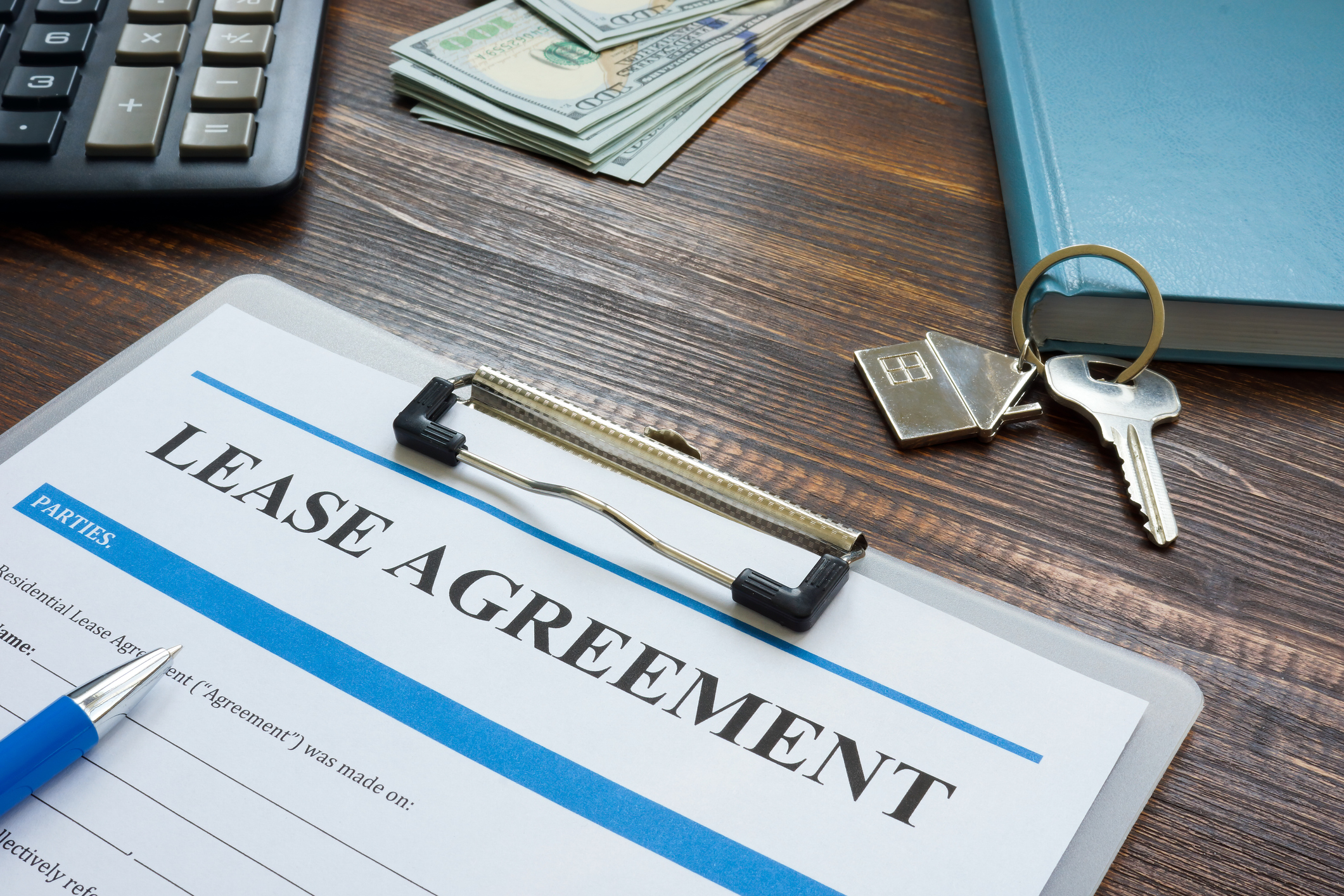
Signing a lease in a new city is equal parts exciting and overwhelming. New streets,new neighbors, new routines and a long list of decisions to make. Among thosedecisions, signing a lease is one of the most important. It determines not only whereyou’ll live, but how comfortably and confidently you’ll settle into your new environment.
When you’re unfamiliar with local pricing, neighborhoods, and rental norms, it’s easy to focus on surface-level details like photos and monthly rent. But a smart renter looks deeper. Comparing the right factors before signing a lease can protect your finances, your peace of mind, and your long-term flexibility. Here’s what every renter should evaluate carefully before committing to a new place in an unfamiliar city.
Rental Price Compared to Local Market Rates
The first thing most renters examine when signing a lease in a new city is the monthly rent. But the number itself doesn’t tell the full story. A $1,500 apartment might be a bargain in one neighborhood and overpriced in another just a few miles away.
Research the average rent for similar rental properties in the same area. Compare square footage, building type, amenities, and proximity to major employers or transit hubs. Some cities have significant pricing gaps between districts, even when they appear geographically close. Understanding the local market ensures you’re not paying a premium simply because you’re new to the area. It’s also wise to ask how often rent increases occur and whether there are local rent control regulations. A lower introductory rate may not stay that way for long.
Total Monthly Cost Beyond Base Rent
Base rent is only part of your financial commitment. Before signing a lease, compare the total monthly cost, including utilities, parking fees, pet rent, building maintenance charges, and required renters' insurance.
In some cities, water and trash are included, while electricity and gas are separate. In others, tenants cover everything. Older buildings may have higher utility costs due to poor insulation, which can significantly impact your monthly budget during extreme weather seasons.
When you compare leases, calculate the full monthly outlay rather than focusing on the advertised rent. The difference can be substantial.
Lease Length and Flexibility
Lease terms vary widely depending on the market and property owner. Some landlords prefer 12-month agreements, while others offer shorter or longer terms at adjusted rates.
Compare the flexibility each lease provides. Does it allow subletting? What are the penalties for early termination? If your job situation changes or you decide the neighborhood isn’t the right fit, flexibility becomes invaluable.
In a new city where your future plans may still be evolving, locking yourself into a rigid agreement can limit your options. Weigh the security of a long-term lease against the freedom of a shorter one.
Neighborhood Safety and Atmosphere
A neighborhood can look charming in photos but feel completely different in person. Before signing a lease, visit at different times of day. Observe lighting, foot traffic, and general activity levels. Research crime statistics before choosing where to live to better understand local safety trends.
Notice the condition of nearby buildings and public spaces. Well-maintained surroundings often reflect a more stable environment. Beyond safety, consider the overall atmosphere. Is it lively and bustling, or quiet and residential? Your comfort level depends on how well the neighborhood aligns with your lifestyle preferences.
Amenities and Practical Features
Amenities can enhance daily life, but they should be evaluated thoughtfully. Compare which features truly matter to you. In-unit laundry, secure parking, fitness centers, and package lockers can add convenience and value.
However, don’t assume that more amenities always justify a higher rent. Ask yourself whether you’ll realistically use them. A rooftop lounge may look impressive during a tour, but practical features like storage space and soundproofing often matter more in daily life.
Speaking of storage, moving into a new city sometimes requires temporary solutions. If you’re downsizing or waiting for furniture deliveries, the whole process can feel overwhelming. In those moments, it helps to see what professionals recommend. You can find practical advice on storage and moving on the Spyder Moving website, where the team shares tips based on years of experience in the moving industry. Planning ahead helps your new apartment feel functional from day one.
Commute and Transportation Access
Your daily commute shapes your routine more than almost any other factor. Compare how long it takes to reach work, school, or frequently visited locations from each potential apartment.
Look at public transportation routes, highway access, bike lanes, and parking availability. In some cities, living slightly farther from downtown can dramatically reduce rent while adding only a few minutes to your commute.
Traffic patterns can vary by time of day, so test your commute during peak hours if possible. A good residential location choice can significantly reduce stress and increase overall satisfaction with your new home.
Building Condition and Maintenance Standards
The condition of the building itself speaks volumes about how it’s managed. Check common areas, hallways, elevators, and exterior maintenance. Peeling paint, broken fixtures, or neglected landscaping may signal poor property management.
Inside the unit, examine appliances, plumbing, windows, and locks. Turn on faucets, test light switches, and inspect for signs of water damage or mold. Ask how maintenance requests are handled. A responsive landlord or property manager makes a major difference when something inevitably needs repair.
Landlord Reputation and Management Style
A lease agreement is not just a document; it represents an ongoing relationship with your landlord or management company. Compare reviews from current and former tenants. Look for consistent patterns in feedback about communication, repairs, and fairness.
Professional property management companies may offer structured systems for maintenance and payments. Individual landlords, on the other hand, might provide more personal flexibility. Neither is inherently better, but understanding the management style helps you set expectations. Clear communication from the start often indicates smoother interactions throughout your tenancy.
Lease Clauses and Fine Print
Many renters skim lease agreements and focus only on the basics. That’s a mistake. Carefully compare specific clauses, especially those regarding security deposits, renewal terms, guest policies, and maintenance responsibilities.
Pay attention to move-out requirements and cleaning standards. Some leases outline strict expectations that could affect how much of your security deposit you recover. If anything feels unclear, ask questions before signing. A reputable landlord should be willing to explain terms thoroughly.
Future Development and Surroundings
Cities evolve quickly. Research planned developments near your potential apartment. A new shopping center or transit station could increase convenience and property values. On the other hand, ongoing construction projects might bring months of noise and disruption.
Local zoning information and city planning websites often provide insights into upcoming projects. Comparing this information helps you anticipate how your living environment might change during your lease term.
Lifestyle Compatibility
An apartment isn’t just a place to sleep. It’s where you unwind, work remotely, entertain friends, and build routines. Compare how each space supports your lifestyle. If you work from home, consider natural light and quiet surroundings. Evaluate the kitchen layout and counter space if you enjoy cooking. If you have a pet, confirm restrictions and nearby green areas.
Small details like closet size, storage configuration, and overall layout can influence how comfortable you feel over time. A slightly smaller apartment with a functional design may be more livable than a larger but awkwardly arranged space.
Community and Social Opportunities
For many renters moving to a new city, building a social network is a top priority. Compare opportunities for connection in each neighborhood. Are there cafes, parks, gyms, or cultural spaces within walking distance?
Some apartment communities host events or provide shared spaces that encourage interaction. Even casual encounters in common areas can help you feel less isolated in an unfamiliar city. Living in a community that aligns with your interests can make the transition smoother and more fulfilling.
Long-Term Financial Impact
Finally, consider how the lease fits into your broader financial goals. Calculate how much of your income will go toward housing and whether that aligns with your savings
A slightly higher rent in a central location might reduce transportation expenses. Conversely, choosing a more affordable neighborhood could allow you to build an emergency fund more quickly. Comparing the long-term financial implications ensures your decision supports stability rather than creating unnecessary strain.
Moving Beyond Guesswork
Signing a lease in a new city is more than a logistical step. It’s the foundation of your new chapter. By comparing rental price, total monthly costs, lease flexibility, neighborhood safety, commute options, building condition, amenities, management style, lease terms, future developments, and lifestyle compatibility, you move beyond guesswork and make a confident, informed choice.
Taking the time to evaluate these factors carefully may feel demanding in the moment, but it pays off in comfort and peace of mind. A thoughtful comparison process transforms the uncertainty of relocation into a structured decision you can trust. When you sign your lease knowing you’ve weighed every important detail, you’re not just renting an apartment you’re setting yourself up for a successful start in your new city.
Additional Find Rentals Articles

 BOOK DIRECT
 Connect with a Manager