
 Connect with a Manager
by Find Rentals
The Difference Between Vacation Rentals and Hotels
What are the major differences between vacation rentals and hotels? Come here and find out.
 BOOK DIRECT
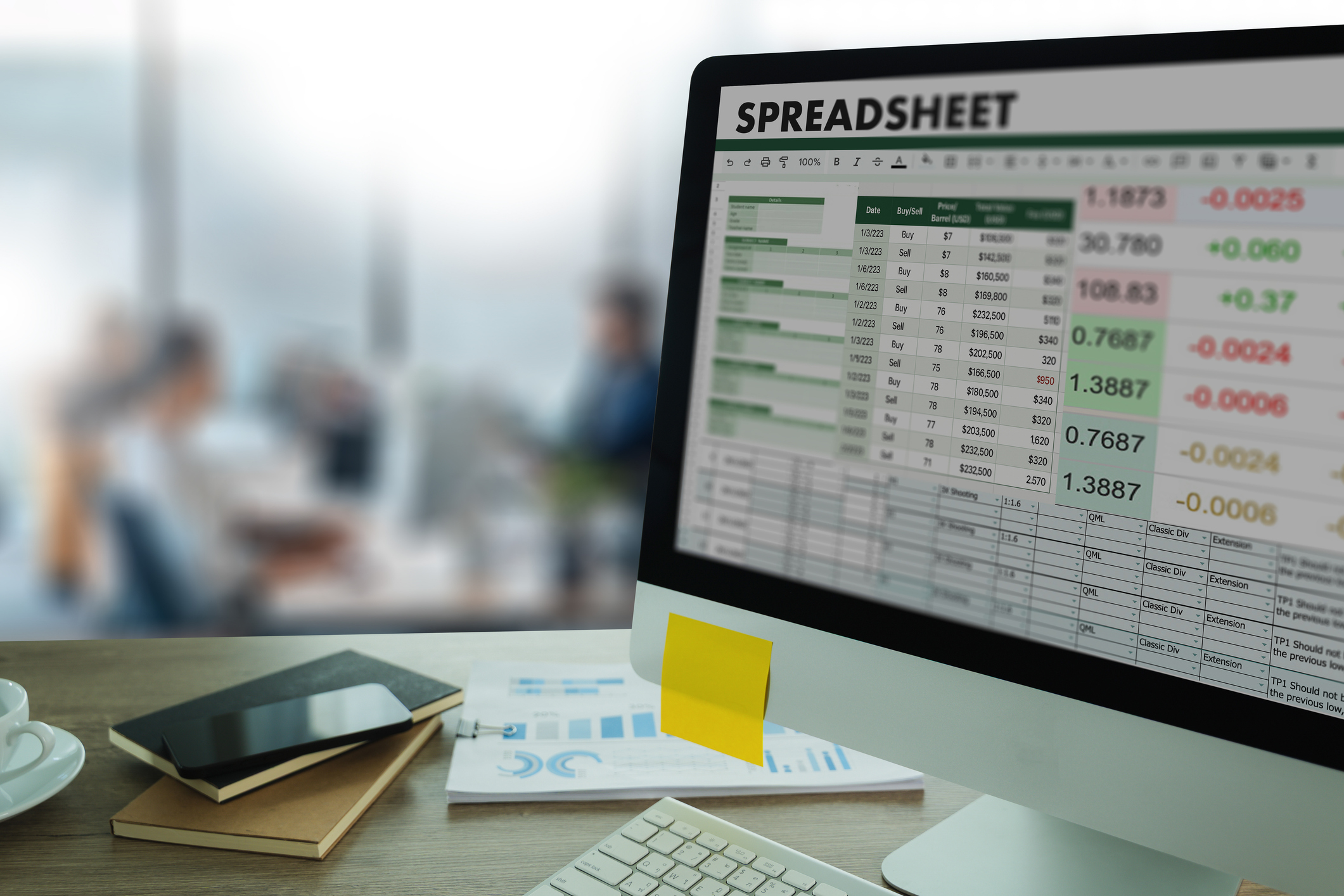
For years, spreadsheets have been the default tool for property managers trying to keep maintenance tasks in order. They are cheap, familiar, and most people already know how to use them. You can whip one up quickly, plug in some columns, and it works fine- at least for a while.
But as portfolios grow and maintenance demands multiply, the cracks begin to show. Many managers are weighing property management maintenance tracking software against their trusty spreadsheets. On the surface, they do the same job: keep requests organized. In reality, the experience of using them day in and day out is very different. The difference lies in approaching scales, adapting, and supporting modern demands.
Spreadsheets have been around because they are simple. Anyone can open Excel or Google Sheets, set a table, and start logging repairs. There is no onboarding, no vendor to deal with, and no new app to train people on. For smaller teams, the simplicity is appealing. Plus, these sheets give you a sense of control, as you see everything laid out in front of you, and you’re not dependent on someone else.
There’s no denying that manual work is required on everyone’s part using this method. Users have to type in every new request, status update, or note. The sheet becomes unreliable if a staff member forgets or makes a small error. Once more than a few people are involved, it is tough to keep everything in order. Even though mistakes pile up, and it gets harder to trust the data when everyone’s editing different versions or forgetting to save updates, many people still use spreadsheets because they believe that it’s easy to use during busy periods.
The problem usually shows up slowly. A tenant calls about a leaky faucet, someone jots it into the spreadsheet, and all seems fine. But then another manager edits a different version of the file. Later, no one could tell which list was up to date. This version confusion can cause urgent requests to fall through the cracks or result in the same work being done twice over, which not only wastes time but also frustrates tenants. Over time, the manual entry process can become a bottleneck, as delays can happen and priorities become muddled.
Sorting through large spreadsheets to find the right detail is another pain point. And since spreadsheets cannot send reminders or alerts, there is always a risk of deadlines being missed unless someone is always manually checking them. Spreadsheets can work for one building, but when you have dozens of tenants and hundreds of requests, they can easily fall short and create chaos.
A software solution that is specifically built for property maintenance tracking can handle these challenges. Property managers can rely on this tool as it automatically updates information in real time, supports multiple users simultaneously, and logs every change. This means that everyone who’s involved in the maintenance activities can stop emailing files back and forth and instead access the same dashboard to get the data and insights they need.
Take a tenant request, for example. With software, it can come in through a portal, automatically create a work order, and be assigned to a technician. Progress is visible from start to finish, without anyone having to manually chase updates. That kind of real-time visibility is difficult to achieve with a spreadsheet.
One of the biggest challenges when using spreadsheets is collaboration. With spreadsheets, staff need to constantly share files because they might work on different versions. It is not just a recipe for confusion, but it can also consume a lot of time, as users are required to double-check with each other about the most up-to-date files.
When a software system is used, it allows technicians to update tasks from their phones while in the field so that managers can monitor everything in one place. This eliminates a considerable amount of back-and-forth over email and makes the process incredibly smooth for everyone involved.
The most important point is scalability. Spreadsheets hit a wall once you manage multiple buildings or a larger portfolio. Files become cumbersome, errors start creeping in, and what was supposed to save time ends up creating more work.
Software scales more naturally. It can track thousands of work orders, generate reports automatically, and even integrate with accounting or tenant communication tools. It grows with the company instead of forcing managers to patch together bigger and bigger spreadsheets.
A spreadsheet is fine for small operations or short-term projects. It is flexible and fast to set up, so there is no reason to abandon it completely. The trouble arises when managers continue to rely on spreadsheets long after they stop being effective.
At some point, the cost of mistakes, delays, and extra downtime outweighs the convenience. That is when making the switch to software pays off. So, while spreadsheets still have a place in the management arsenal, it is worth thinking about whether they’re really the best fit for your long-term goals. Sometimes, upgrading to dedicated software can be a game-changer for your ongoing operations, and that’s exactly when either a switch should be made or a dual strategy should be adopted.
To summarize, spreadsheets and maintenance tracking software are good at their intended purpose. Spreadsheets are great for simplicity and cost nothing beyond time. However, their weaknesses become apparent when juggling multiple properties, dozens of tenants, and a growing list of requests.
Software offers real-time updates, accountability, and the ability to scale without constant headaches. A spreadsheet might be fine for a handful of units, but once operations grow, the limitations become too costly. The transition may feel like a big leap at first, but for many property managers, it is the only way to move from reactive maintenance to a system that keeps things running smoothly.