
 Connect with a Manager
by Danny Margagliano
Short-Term Rentals for Veterans House Hunting
Discover how short-term rentals help veterans house hunt with flexibility, explore neighborhoods, and find the right home without feeling rushed.
 BOOK DIRECT
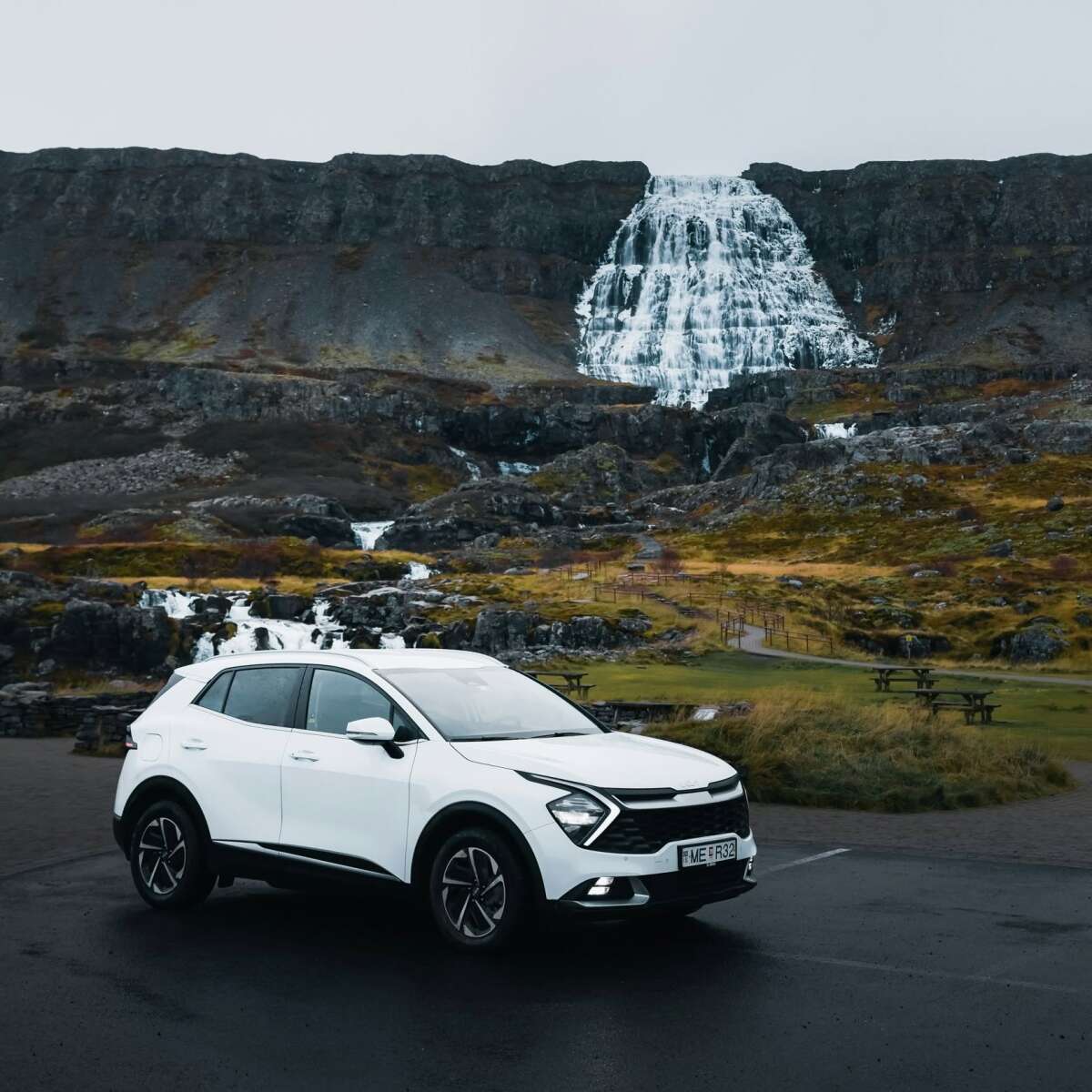
Renting a car in another country can be an efficient way to explore destinations at your own pace, but traveler missteps can quickly turn a smooth trip into a stressful one. Understanding differences in car rental rules, insurance, and road regulations can help avoid costly surprises. With careful preparation, you can ensure that your rental experience is straightforward and free of unnecessary hurdles.
Car rental procedures and requirements often differ significantly from what you may expect at home, making advance preparation essential for hassle-free travel. You might encounter providers such as Blue Car Rental Iceland during your planning, but every country can present its own unique challenges. Setbacks usually arise from unfamiliar policies, overlooked documentation, or local driving customs that catch travelers off guard. To minimize friction, understanding these differences before you travel is key to making informed decisions and ensuring smoother journeys abroad.
Many countries set a minimum age for renting a vehicle, and some impose surcharges for drivers under a certain age, commonly known as young driver fees. These extra charges can be substantial and are often non-negotiable, so confirming your eligibility based on age before booking a car is a crucial first step. Standards differ, with some locations requiring drivers to be at least 21 or even 25.
License requirements also pose common stumbling blocks. For instance, while an ordinary driver’s license is accepted in some destinations, others require an International Driving Permit (IDP). Securing an IDP before your trip can be a straightforward process if you qualify, but it is important to confirm whether it is accepted and needed for your destination. Always check the validity period of both your home license and IDP, as both must be current throughout your entire rental.
Vehicle categories and occupancy limits can also differ across borders, sometimes with restrictions based on the type of license held or the driver’s age. Some countries set specific rules regarding passenger numbers or prohibit the rental of high-performance vehicles to visiting tourists. Understanding these variations early will help you avoid cancellations or costly amendments to your reservation plans.
When booking online, you may notice that reservations typically secure a vehicle class rather than a specific model. This means you will receive a car similar in size and category to the one displayed, but the exact make or model is often not guaranteed. Being flexible with your preferences can help reduce disappointment at pickup, especially in regions where certain models are in high demand or limited supply.
Transmission type is another factor to clarify, as manual cars are standard in many countries, and automatic vehicles may be scarce or carry higher rental rates. Travelers who are only comfortable with automatic transmission should make this preference clear on the reservation. Additionally, differences in fuel policy, such as full to full or prepaid options, and potential mileage limitations can significantly affect the total cost and convenience of your trip.
Deposits or credit card holds are common practice and can differ widely by provider and country. It is important to budget for these temporary charges, which may be required upon collection and released after a successful return. Carefully reviewing these details before confirming your rental can help prevent unexpected charges from reducing your travel funds.
Understanding insurance options at the rental counter is vital, as base rates may not always include necessary coverage. Key protections generally include liability insurance, collision damage waiver, and theft protection, which serve to limit your financial responsibility in the event of an incident. Insurance requirements vary by country, so it is important to confirm the legal minimum required where you plan to drive.
Typical exclusions are easy to overlook but can catch renters off guard. For example, policies may not cover damages on unpaved roads or when a driver engages in prohibited activities like off-road driving or excessive speeding. Weather-related incidents or negligence, such as leaving the vehicle unlocked, may also be excluded from coverage, making it important to review the policy details thoroughly.
Coverage can often be sourced from the rental company, your personal travel insurance, or through select credit cards, each with distinct limits and terms. Comparing these options before departure can help ensure you have adequate protection without paying for redundant coverage. Insurance terms vary, so it is essential to make informed decisions and verify you are only paying for what you need.
Speed limits and the appearance of road signage frequently differ from what you may encounter at home, and mistakes can result in fines or confusion. Rights of way, such as rules at roundabouts or priority at pedestrian crossings, differ between regions, making it worthwhile to review local road codes before you travel. This familiarity helps avoid trouble and supports safer driving abroad, especially in busy or complex urban environments.
Toll roads and congestion charges are increasingly common in many countries and are often collected electronically or at designated payment stations. Knowing which routes require payment, as well as available methods for settling tolls, is essential to prevent costly penalties. Rental providers may be mentioned as examples in travel discussions, but always research specifics for your chosen destinations.
Parking rules also demand attention, as prohibited zones, time limits, and varying enforcement methods can turn a misplaced vehicle into an expensive error. Learning the local approach to parking and how to handle tickets helps visitors avoid unnecessary fines. In many areas, local parking apps or meters require cashless payments, so ensuring you are prepared can make urban parking less stressful.
Reliable navigation is crucial when you are behind the wheel far from home. While many rental vehicles offer in-car GPS, downloading offline maps to your phone or GPS device provides added security if data service is interrupted. This approach is particularly important in regions where mobile coverage is patchy or if you plan to travel across borders.
Mobile data usage can escalate rapidly when using navigation tools or searching for local amenities. Confirm with your provider whether international roaming is available and cost-effective or consider a prepaid local SIM card. Some navigation systems function offline to help conserve data and avoid connectivity emergencies.
Accidents and other emergencies can be unnerving when traveling, so keeping country-specific emergency numbers handy is prudent. Practicing how to reach local authorities and your rental provider before you depart increases confidence and responsiveness in urgent situations. This preparation can be as vital as understanding the vehicle itself or the roads you are driving on.
Documenting the vehicle’s condition at pickup with time-stamped photos or videos is a prudent defense against later disputes. Inspect for visible dents, scratches, or interior wear and ensure each existing defect is noted on the rental agreement before signing. Agreeing to the precise state of the vehicle with your provider at this stage can save time and potential disagreements upon return.
It is equally important to review the rental agreement closely before leaving the lot. Confirm the fuel level and the stated return policy, and clarify any fees linked to cleaning, late drop-offs, or additional drivers. Returning the car with the agreed fuel level and within the scheduled time helps reduce the risk of added charges.